
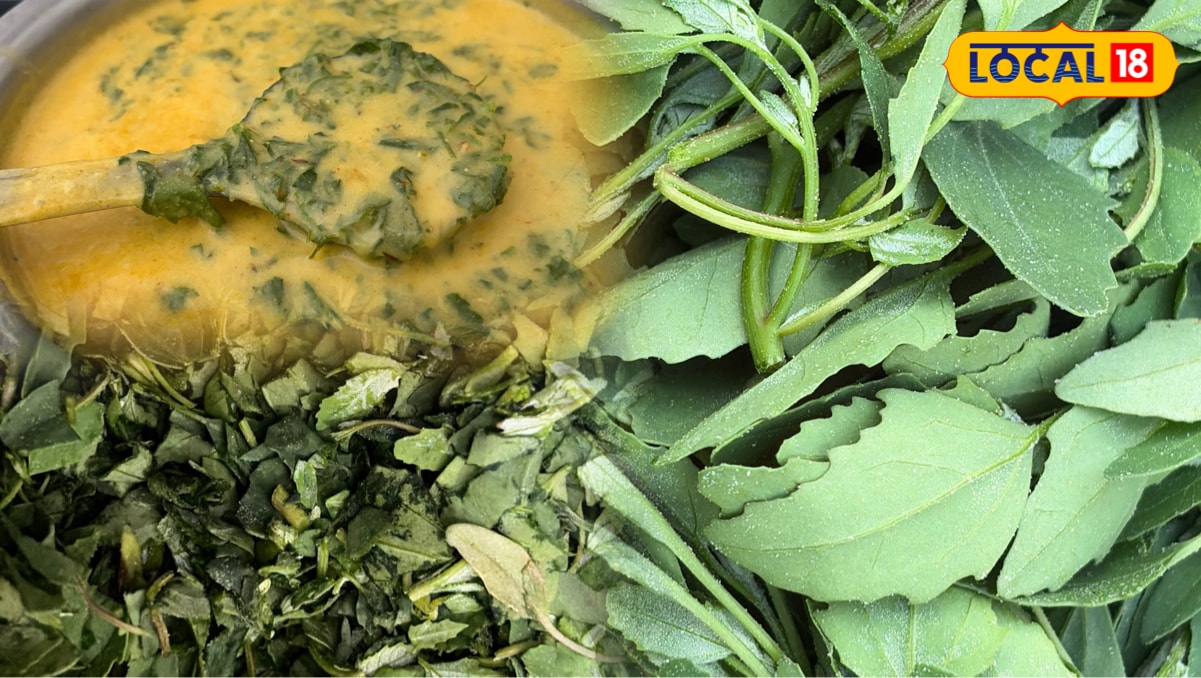
In the rural expanses of Bharatpur, the arrival of winter brings a distinct culinary tradition that continues to dominate local kitchens and household dining tables. The preparation of traditional Bathua Kadhi has firmly established itself as the primary food preference for residents seeking warmth and nutritional sustenance during the colder months. This age-old recipe relies entirely on seasonally available ingredients, reflecting the self-sufficient nature of rural gastronomy.
The historical context of this culinary practice traces back generations within the rural communities of Bharatpur. Passed down through oral traditions from elders to younger family members, the recipe utilizes locally foraged bathua greens, freshly churned buttermilk, and native gram flour. Historically, such seasonal dishes were crafted to maximize the nutritional benefits of winter crops while providing essential internal warmth during chilly agricultural working days.
Examining the ground reality of this culinary tradition reveals a meticulous preparation process that prioritizes patience over speed. The core of the dish involves combining buttermilk and gram flour, which is then placed over a slow fire to simmer gently. This deliberate cooking method ensures that the raw taste of the flour completely dissipates, allowing the rich flavors to meld thoroughly before the final stages of cooking begin.
The regional significance of this dish extends beyond mere daily sustenance, playing a vital cultural role in community bonding across Bharatpur. Families gather during the winter afternoons and evenings to prepare and share meals centered around this hearty dish, reinforcing social ties and preserving ancestral cooking knowledge in an era dominated by modern convenience foods.
Looking toward the future, the preservation of recipes like Bathua Kadhi remains crucial for maintaining regional culinary identity in Bharatpur. Served traditionally alongside piping hot bajra rotis, wheat rotis, or simple steamed rice, this dish continues to withstand the test of time, promising to remain a cherished winter staple for generations to come.
