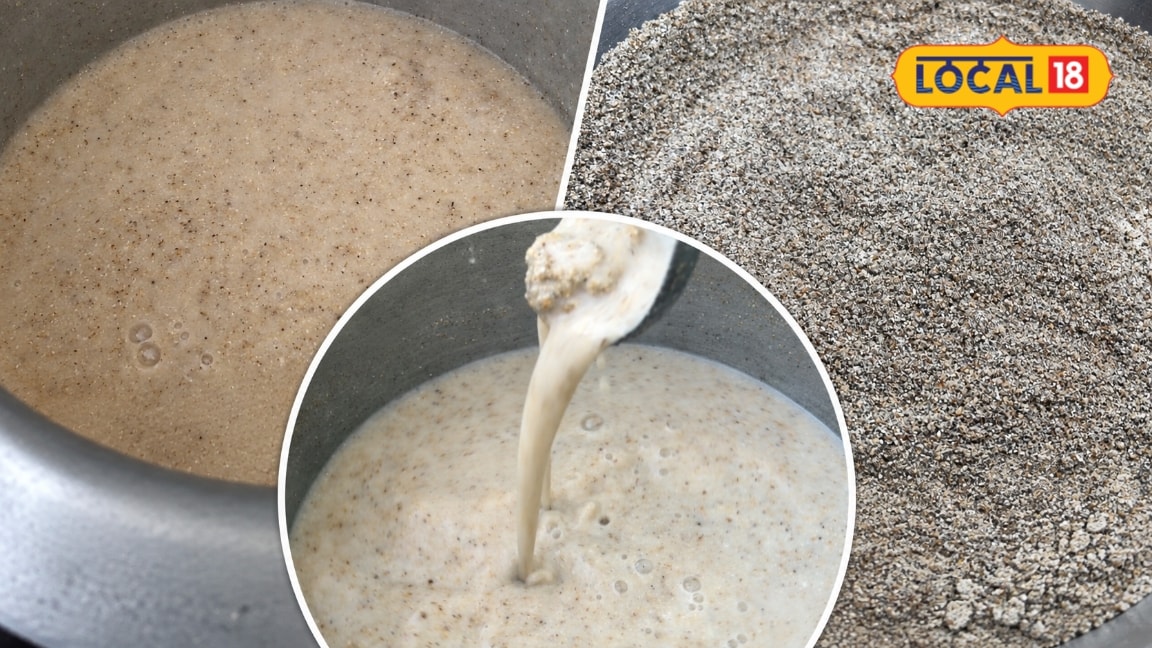
With the arrival of the new pearl millet harvest in the rural hinterlands of Bharatpur, the traditional aroma of Bajra Rabdi has once again permeated local kitchens and village courtyards. This seasonal transition marks a significant period for agricultural communities, where ancient dietary practices are passionately revived to celebrate the fresh harvest. The preparation of this classic dish signifies not merely a culinary routine, but a deep cultural connection to ancestral farming traditions that have thrived for generations across the region.
Historically, traditional recipes like Bajra Rabdi evolved as ingenious culinary solutions to combat the arid climate and seasonal temperature variations characteristic of the region. Pearl millet, being a drought-resistant crop native to dry lands, provides essential nutrition and natural body-cooling properties when combined with fermented dairy products like buttermilk. For centuries, rural households have relied on this formulation as an effective dietary mainstay that sustains agricultural workers through strenuous physical labor under harsh weather conditions.
Examining the ground reality of daily life in Bharatpur villages, the preparation logistics involve utilizing freshly ground pearl millet groats, locally known as daliya, combined with fresh buttermilk. The mixture is painstakingly simmered over a gentle, steady flame to achieve the desired consistency, ensuring that the nutritional integrity of the ingredients is fully preserved. Once cooked to perfection, the dish is typically seasoned with culinary salt and freshly crushed black pepper, striking a balance between simplicity and robust local flavor.
Community stakeholders and village elders emphasize that this traditional breakfast item holds immense cultural and practical value in contemporary rural households. Local residents point out that unlike commercially processed breakfast options, the preparation of Bajra Rabdi requires local ingredients that support regional agrarian ecosystems. The collective consensus among villagers highlights that the authentic taste of the dish reaches its absolute peak during the season when newly harvested pearl millet becomes readily available in local markets.
While the cultural footprint of Bharatpur extends its culinary influences across neighboring districts, the traditional preparation of millet-based dishes reinforces regional food security and sustainable eating habits. The reliance on locally sourced ingredients ensures that traditional farming practices remain economically viable for smallholder farmers who cultivate indigenous millet varieties. This symbiotic relationship between local agriculture and traditional gastronomy strengthens community resilience against shifting modern food trends.
From an administrative and nutritional perspective, public health advocates and traditional food researchers frequently endorse the regular consumption of indigenous grains like pearl millet. Institutional oversight on traditional nutrition often highlights the superior digestibility and high dietary fiber content inherent in such preparations. Public awareness initiatives frequently encourage the preservation of these heritage recipes to combat modern lifestyle-related nutritional deficiencies among rural and semi-urban populations.
Looking ahead, the sustained popularity of Bajra Rabdi in Bharatpur indicates a promising future for indigenous culinary preservation amid rapid modernization. As contemporary consumers increasingly seek organic, wholesome, and time-tested dietary alternatives, traditional recipes from rural Rajasthan are poised to gain broader recognition. Community leaders and local culinary experts remain optimistic that upcoming generations will continue to embrace and preserve these vital aspects of regional heritage.