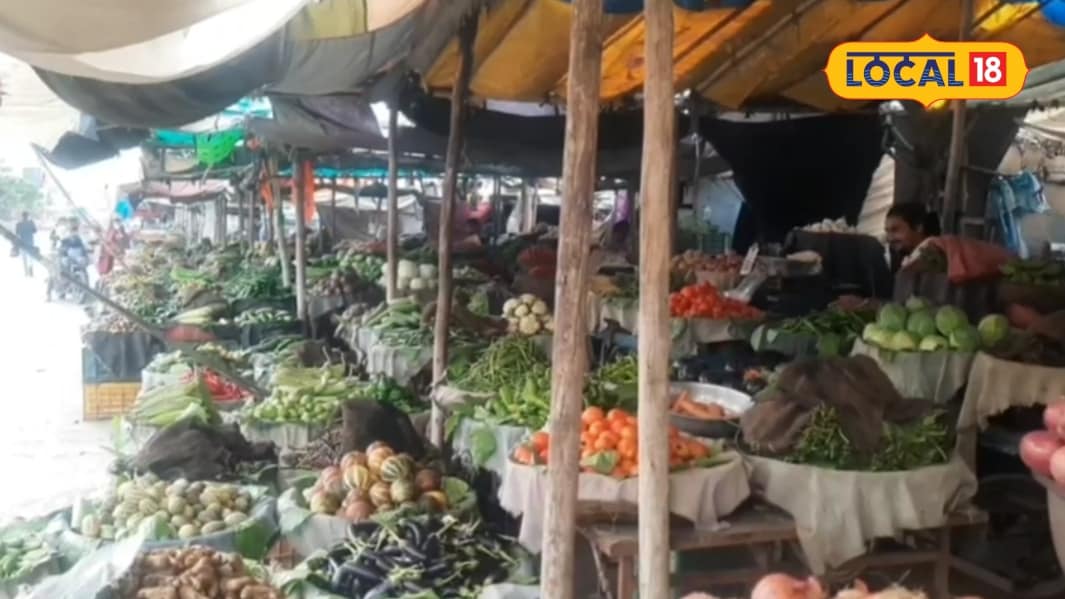
With the onset of heavy monsoon showers, households across the region face a recurring challenge in preserving perishable produce due to soaring humidity and damp atmospheric conditions. Vegetables such as tomatoes, spinach, okra, eggplants, cucumbers, and capsicum are particularly vulnerable, losing their firmness and succumbing to spoilage within hours of purchase.
The phenomenon of rapid vegetable degradation during the rainy season is primarily driven by elevated moisture levels in the air, which accelerate bacterial and fungal growth on vulnerable produce surfaces. Historically, traditional household storage methods have proven inadequate against these intense seasonal humidity spikes, leading to significant financial loss and food waste in domestic kitchens.
Market analysts note that the logistical supply chain from farms to local vendors also suffers during continuous downpours, leaving produce already stressed before it reaches the consumer. Consequently, retail buyers must exercise extreme vigilance at the marketplace, carefully inspecting produce for surface bruising, excessive moisture, and pre-existing decay before making a purchase.
Local culinary experts and home management authorities emphasize that preventive care begins right at the vegetable vendor's stall by selecting dry, firm, and unblemished specimens. Once brought home, consumers are advised to avoid washing vegetables prior to storage, as residual water droplets create an ideal breeding ground for mold and rot during humid days.
For the residents of the Kotputli-Behror district, managing household grocery budgets efficiently during the monsoon requires adopting scientific preservation protocols tailored to local climatic realities. Implementing these rigorous storage regimens prevents the frequent need for emergency market trips and safeguards family health against foodborne pathogens thriving in damp weather.
Agricultural extension services and consumer forums routinely advocate for public awareness campaigns to educate citizens on optimal post-harvest handling at the domestic level. These advisory sessions cover moisture management, appropriate wrapping materials, and refrigeration placement strategies to maximize the longevity of daily dietary staples.
Looking ahead, culinary specialists recommend continuous adherence to these smart storage practices throughout the entire rainy season to ensure a steady supply of fresh, nutritious vegetables. As weather patterns remain unpredictable, community-wide adoption of these tips will remain essential for sustainable household management and optimal nutritional intake.