
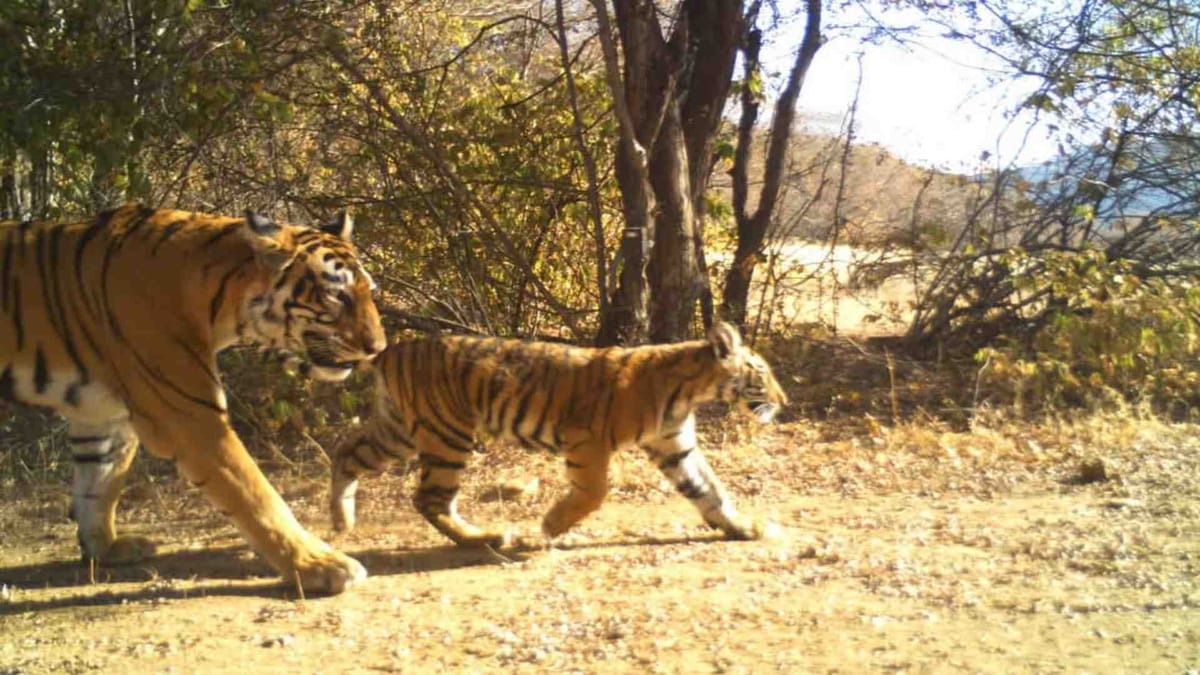
In the heart of the renowned Ranthambore Tiger Reserve located in Sawai Madhopur, the legendary big cat designated as tiger Jai continues to reign supreme over his expansive natural habitat. Standing tall as a magnificent apex predator, this majestic animal has consistently proven his resilience and tactical superiority within the wilderness. Wildlife observers and park management teams have closely tracked his ongoing territorial endeavors as he navigates the complex social hierarchies of the reserve.
Formally identified within official documentation as RBT-108, this approximately 10-year-old tiger represents a vital pillar of the region's rich biodiversity and ecological balance. Over the years, the sanctuary has witnessed numerous shifts in territorial boundaries, yet this mature feline has successfully adapted to changing environmental pressures. His established lineage and deep-rooted familiarity with the terrain have provided him with a distinct evolutionary advantage over competing predators within the protected sanctuary.
The administrative scope of his territorial dominance spans comprehensively across zone 6 to zone 10 of the sprawling reserve, encompassing a diverse and challenging landscape. Managing such a vast geographic expanse requires immense physical stamina, strategic patrol patterns, and continuous defense against neighboring challenges. Forest department officials note that maintaining sovereign control over these specific zones involves navigating complex ecological corridors where multiple wildlife populations interact daily.
Wildlife experts, conservationists, and local guides frequently discuss the intense operational pressures faced by mature predators within high-density reserves. Competing against four distinct and formidable rivals, tiger Jai has consistently demonstrated exceptional defensive capabilities to safeguard his core hunting grounds. Stakeholders within the conservation community emphasize that such intense territorial conflicts are a natural testament to the robust health and breeding success of the reserve's tiger population.
While the primary theater of his daily existence remains firmly rooted within the confines of Sawai Madhopur, the wider economic and ecological ramifications extend outward. Regional tourism operators, hospitality enterprises, and local communities dependent on wildlife heritage closely follow updates regarding his status. The enduring presence of dominant individuals like RBT-108 significantly bolsters domestic and international tourism appeal, thereby directly contributing to regional economic vitality and livelihood generation.
Park management and forest department authorities maintain rigorous monitoring protocols to ensure the safety and unhindered movement of all resident wildlife populations. Field teams utilize advanced tracking methodologies, camera traps, and regular foot patrols to document health indicators and territorial dynamics. Administrative oversight ensures that human-wildlife conflicts are minimized while safeguarding the natural behaviors of apex predators like the ten-year-old monarch of the jungle.
Looking toward the future, the longevity and sustained territorial reign of tiger Jai remain subjects of profound interest for wildlife biologists and conservation planners alike. As he navigates his prime years amidst ongoing competition from rival tigers, conservation frameworks will continue prioritizing habitat preservation and corridor connectivity. Public expectations remain high regarding the continued protection of this majestic creature, ensuring that the legacy of Ranthambore's enduring rulers persists for generations to come.
