
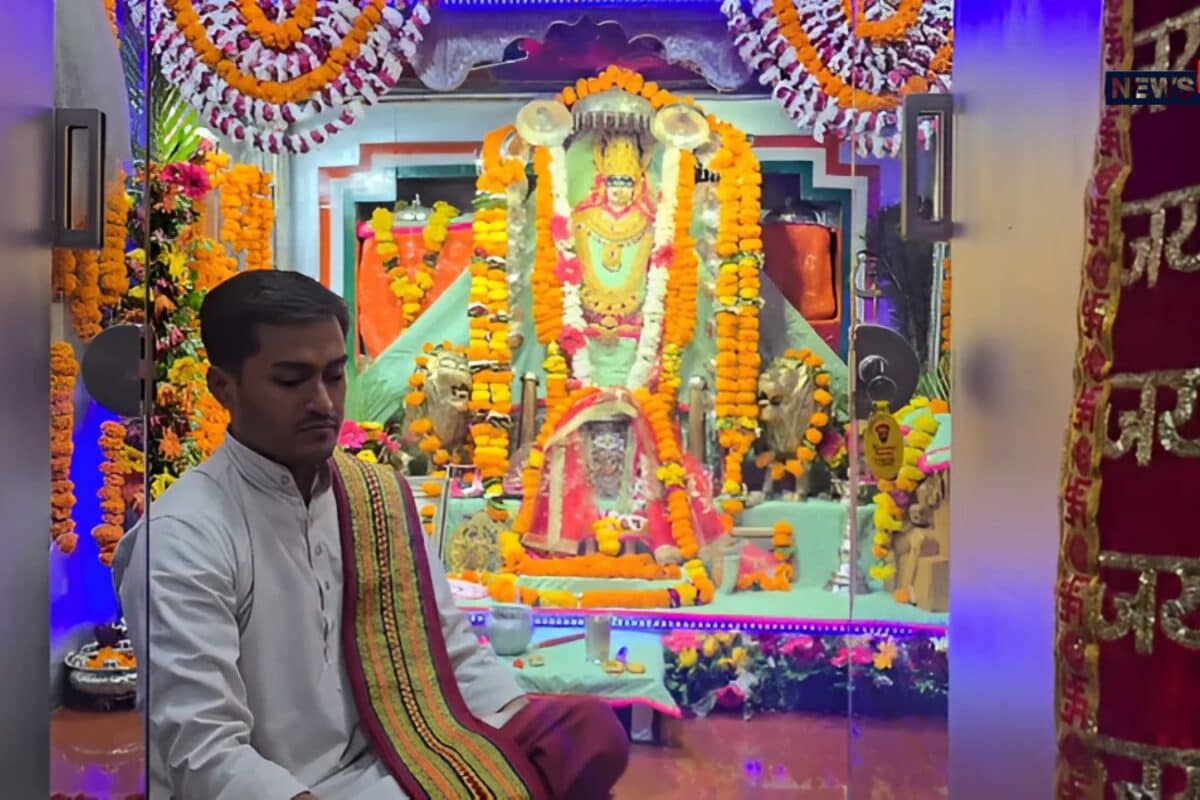
Located on the sensitive international border in Jaisalmer, the revered Tanot Mata temple has emerged as a beacon of faith, courage, and spiritual resilience in the harsh terrain of Thar. Widely celebrated as the Vaishno Devi of the Thar desert, the shrine commands profound reverence from armed forces personnel and citizens alike. The geographical location of the temple places it right at the frontline of national security, merging military vigilance with deep-seated religious devotion.
The historical significance of the Tanot Mata temple is inextricably linked to the intense India-Pakistan military conflicts of 1965 and 1971. During these turbulent wartime periods, enemy forces targeted the border regions heavily, raining artillery shells and aerial bombs around the sacred shrine. According to historical accounts and prevailing local narratives, hundreds of high-intensity bombs were dropped by the Pakistan military directly onto the temple complex, yet miraculously, not a single one detonated.
To this day, these unexploded ordnance pieces remain carefully preserved within the temple complex as silent witnesses to history and divine intervention. Pilgrims and visitors who travel to the remote desert location can witness these live war relics firsthand, serving as a powerful reminder of the sanctuary's miraculous survival during extreme hostilities. The sheer physical presence of these live bombs adds an aura of mystery and sacred protection to the entire region.
In the absence of traditional civilian priestly families in this remote frontline zone, the spiritual and logistical management of the shrine rests entirely upon the shoulders of the Border Security Force. The BSF jawans stationed at the border perform the daily rituals, conduct formal aartis, manage the temple premises, and oversee the massive community feasts organized for visiting devotees. This unique integration of military duty and religious stewardship forms a profound bond between the security personnel and the visiting public.
The influence of the temple extends far beyond local administrative boundaries, drawing massive crowds of devotees from across the entire country, particularly during the festive season of Navratri. Pilgrims undertake arduous journeys across the Thar desert to seek blessings at the sanctum, bringing national attention to the remote Jaisalmer border sector. A deeply cherished tradition among visiting devotees involves tying a ceremonial handkerchief at the temple premises to invoke the goddess's blessings for the fulfillment of their heartfelt wishes.
From an administrative and operational standpoint, the management of pilgrim influx alongside active border security operations requires meticulous coordination by authorities and the BSF. The seamless handling of thousands of tourists during peak festival periods highlights the exceptional capability of the security forces to maintain public order in sensitive border areas. Comprehensive logistical arrangements are annually reviewed to ensure safe access, traffic management, and crowd control for all incoming travelers.
Looking forward, the Tanot Mata temple continues to serve as an enduring symbol of national integration, military dedication, and spiritual faith along the western frontier. As future generations visit the site to witness the preserved war relics from 1965 and 1971, the legacy of the shrine remains permanently etched in the military and cultural history of India. The ongoing stewardship by the BSF ensures that the temple will continue to inspire unwavering patriotism and devotion for decades to come.
