
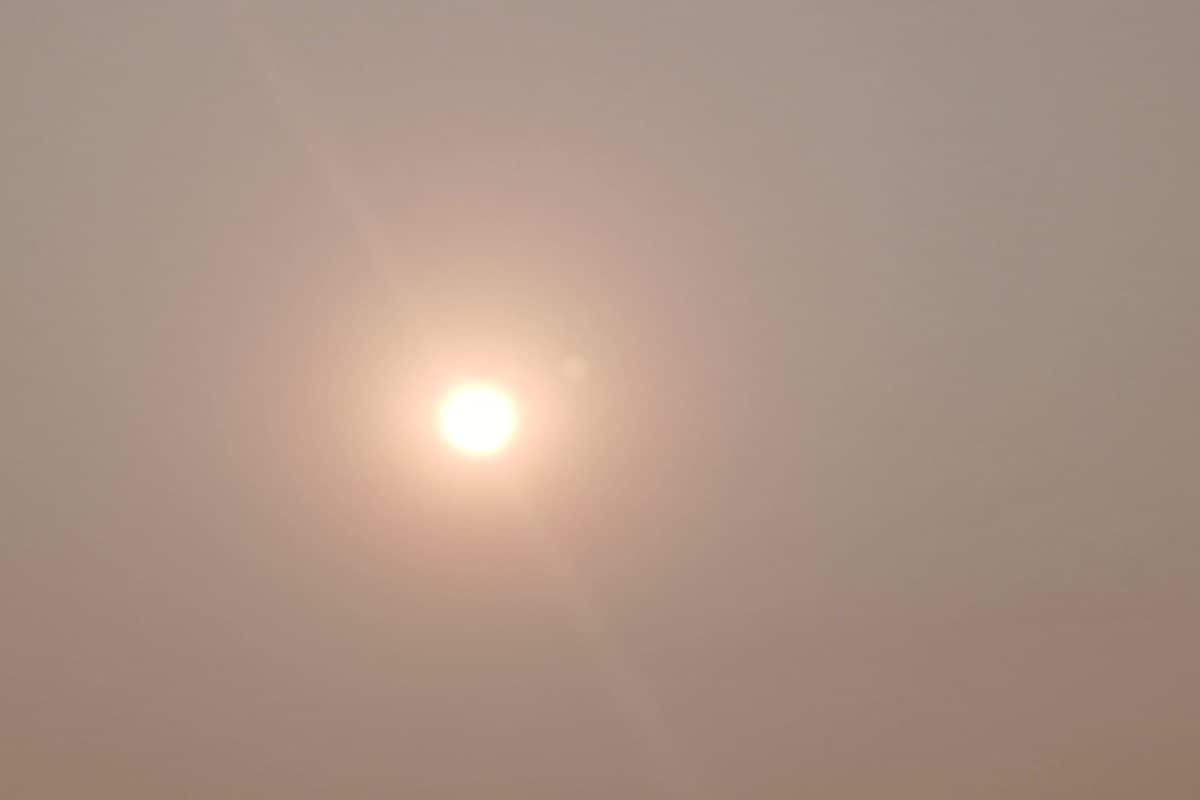
As changing weather patterns sweep across the region, the atmospheric environment in Sri Ganganagar has deteriorated markedly, triggering widespread alarm among residents, environmental observers, and public health authorities. In the early hours of Tuesday, monitoring systems recorded an alarming surge in atmospheric contaminants, pushing the local Air Quality Index to a hazardous mark of 258. This severe escalation in airborne pollutants signals an immediate environmental crisis, transforming the once-clear skies into a hazy expanse laden with particulate matter that severely compromises daily life.
The current environmental downturn is intrinsically linked to seasonal shifts, local meteorological conditions, and persistent anthropogenic emissions that collectively trap pollutants near the surface level. Historically, transitional weather phases in this geographical belt witness atmospheric inversions where stagnant wind currents fail to disperse industrial exhaust, vehicular emissions, and dust particles effectively. Consequently, toxic smog blankets the urban landscape, initiating an annual cycle of declining air quality that severely tests the ecological resilience of Sri Ganganagar and demands rigorous scientific scrutiny.
Delving into the ground reality, the numerical metrics underscore an absolute health emergency for the populace residing within Sri Ganganagar. An AQI reading of 258 falls firmly within the 'very poor' or unhealthy category, wherein even healthy individuals may experience breathing discomfort and respiratory distress over prolonged exposure. Local healthcare facilities have already begun registering an uptick in outpatient department visits by patients complaining of severe throat irritation, watery eyes, and sudden coughing fits directly attributable to the particulate-laden atmosphere.
Voicing deep concern over the escalating crisis, local residents, community leaders, and civic activists have emphasized the urgent need for immediate remedial measures from municipal authorities. Families with young children and elderly members find themselves confined to indoor spaces, struggling against the stifling indoor air conditions as well. Local traders and marketplace vendors have also noted a visible decline in footfall during early morning hours, as citizens deliberately choose to avoid stepping out into the smog-choked environment unless absolutely necessary.
While the direct epicenter of this environmental degradation remains Sri Ganganagar, the broader regional impact extends across neighboring districts, reflecting a systemic environmental challenge confronting the entire northern plains. The transboundary movement of pollutants, combined with local stubble burning and unmanaged construction dust, creates a cumulative burden that strains regional healthcare infrastructures. Communities throughout the administrative zone are increasingly recognizing that isolated municipal interventions are insufficient without a synchronized, cross-district environmental strategy.
In response to the mounting crisis, municipal and district administrative bodies have initiated preliminary reviews to evaluate the enforcement of anti-pollution guidelines, dust suppression protocols, and traffic congestion management. Officials are deliberating on potential regulatory restrictions on heavy vehicular movement and unorganized construction activities within high-density zones of Sri Ganganagar. Public service announcements and health advisories are being disseminated through various channels to ensure that vulnerable groups remain adequately protected against the detrimental effects of the elevated AQI.
Looking toward the immediate future, public expectations remain centered on proactive administrative enforcement and long-term ecological planning to restore clean air to Sri Ganganagar. As meteorological forecasts suggest that unfavorable wind patterns may persist for the coming days, citizens and authorities alike must brace for sustained vigilance. The community awaits comprehensive green initiatives, stringent industrial compliance checks, and robust urban forestry projects aimed at permanently mitigating the recurring menace of severe air pollution.
