
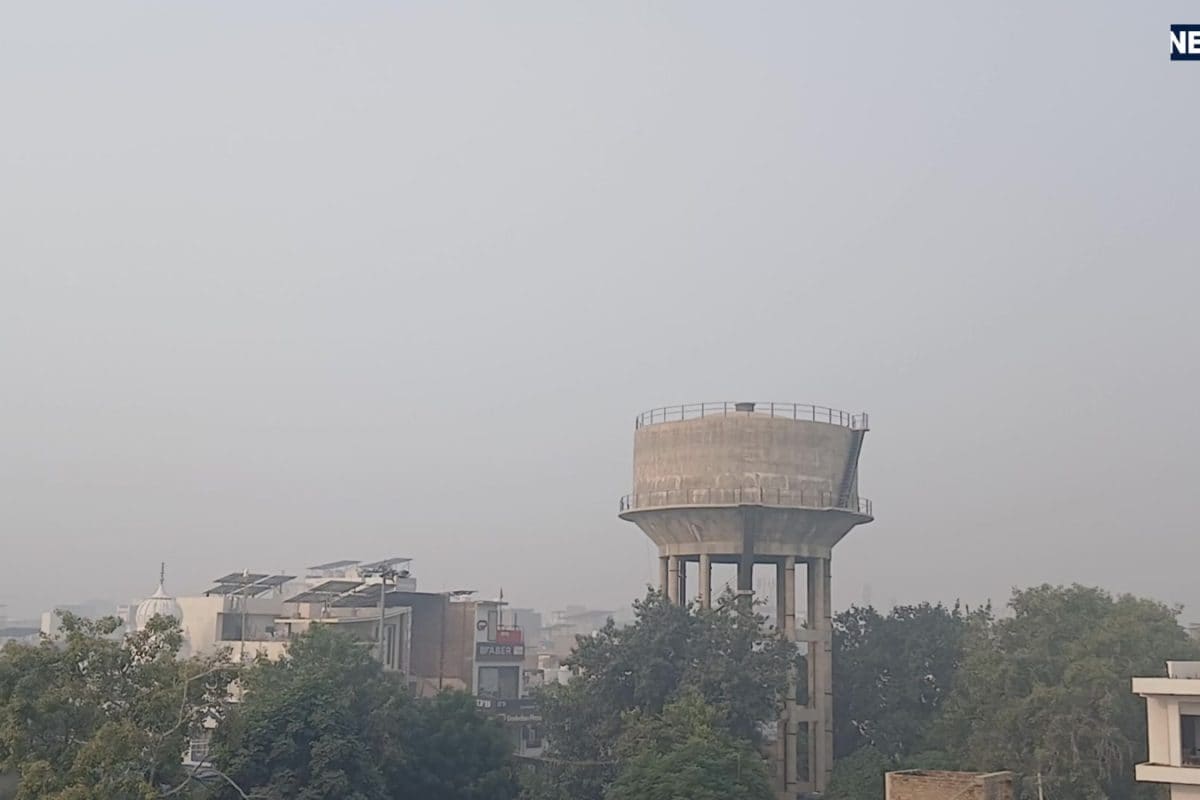
Sri Ganganagar has witnessed a significant meteorological shift as the local air pollution levels experienced a notable decline by Wednesday evening. The air quality index, which had remained a matter of grave concern for the regional populace over the past week, finally registered a downward trend, bringing temporary relief to the citizens. Environmental experts and local observers noted that the atmospheric conditions had been severely constrained by persistent high pollutant concentrations following the festive period.
The roots of the severe pollution crisis trace directly back to the festivities surrounding Diwali, an occasion traditionally marked by extensive celebrations and bursting of firecrackers. Immediately following Diwali, the concentration of particulate matter in the atmosphere surged exponentially, propelling the AQI to an alarming peak of 350. This hazardous escalation severely compromised the ambient air quality, casting a thick layer of smog over the region and raising serious health apprehensions for vulnerable groups including children and the elderly.
Delving into the ground reality and statistical data, the air quality in Sri Ganganagar had stubbornly refused to recede below the 200 mark for an entire week following the festive spike. However, the situation underwent a welcome transformation on Wednesday evening when the AQI dropped substantially to 215. Official measurements indicate that a remarkable reduction of approximately 80 to 100 points was recorded within a concise 24-hour window, signifying a rapid dispersion of accumulated pollutants.
Local stakeholders, including community representatives, local merchants, and concerned citizens, have voiced their opinions regarding the fluctuating environmental conditions. While the spike to 350 severely disrupted daily outdoor activities and routine business operations, the subsequent drop to 215 has injected a wave of optimism among residents. Community leaders emphasized the urgent necessity of sustained environmental consciousness to prevent such extreme spikes in future festive cycles.
Although the primary focus remains centered on Sri Ganganagar, the broader regional atmospheric dynamics continue to influence neighboring areas and general environmental planning. The interconnected nature of weather patterns means that significant air quality fluctuations in key commercial and residential hubs resonate across the district, affecting overall public health standards, local productivity, and community well-being.
In response to the prolonged hazardous conditions, local administrative bodies and environmental monitoring committees maintained strict surveillance on pollution sources throughout the week. While the natural dispersion mechanism ultimately aided the drop to 215 on Wednesday, continuous oversight remains essential to ensure that industrial emissions, vehicular traffic, and dust generation are adequately managed to prevent a resurgence above the 200 threshold.
Looking toward the forward outlook, environmental planners and public health officials stress that maintaining this positive trajectory requires persistent vigilance and cooperative community action. As the AQI stabilizes closer to moderate levels following the Wednesday evening reading, authorities remain prepared to implement necessary mitigation measures should atmospheric conditions deteriorate again in the coming weeks.
