
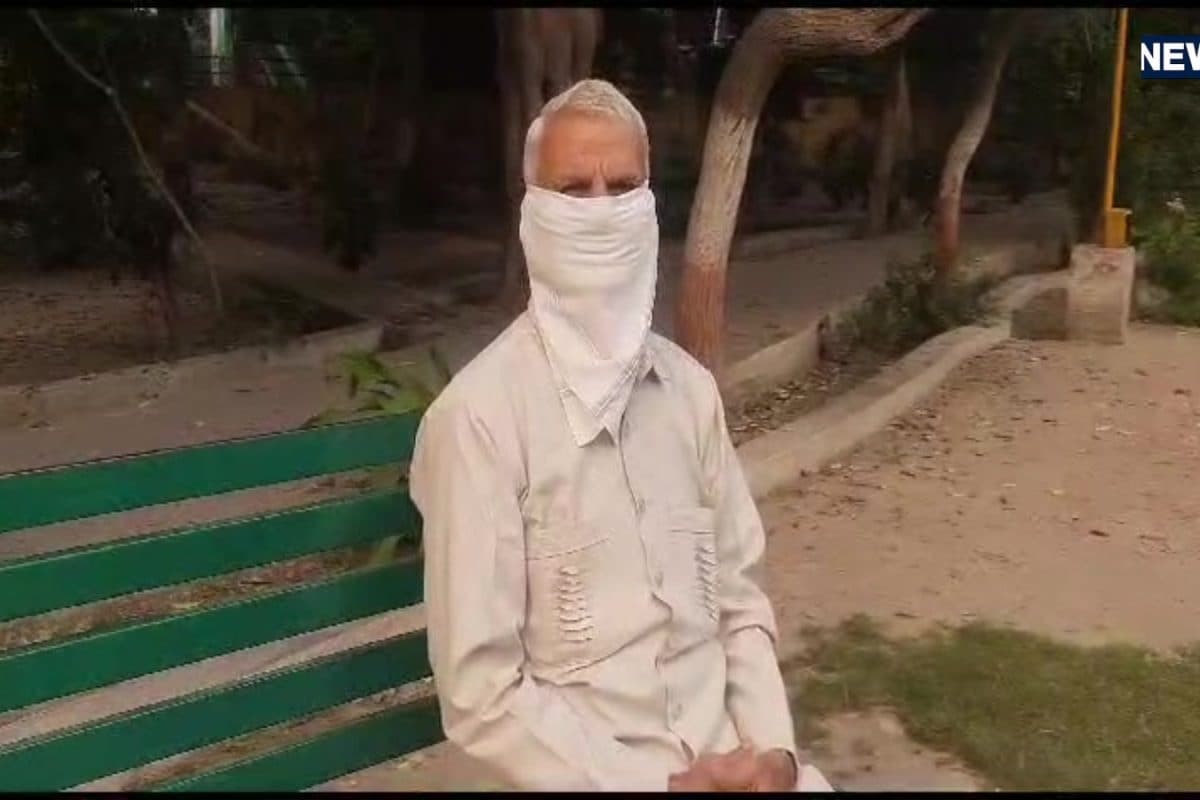
The border district of Sri Ganganagar has witnessed a sharp and alarming decline in its atmospheric environment, with the Air Quality Index surging significantly on Saturday. According to environmental monitoring metrics, the air quality index reached a concerning level of 268, marking a severe escalation in particulate pollutants within the region. This sudden spike has abruptly reversed the recent temporary improvements and cleaner atmospheric trends that local residents had experienced over the preceding days.
Tracing the historical context of pollution patterns in this frontier region, environmental conditions have consistently remained volatile due to a combination of geographical factors and meteorological shifts. While temporary spells of favorable wind speeds had previously driven pollution figures downward, the underlying causes such as seasonal stubble burning, vehicular emissions, and industrial dust continue to pose persistent ecological challenges. The resurgence of thick smog and particulate matter in the atmosphere highlights the persistent vulnerability of the local airshed.
Analyzing the specific empirical data reported on Saturday, the crossing of the 200 threshold into the poor category carries severe implications for public health. An Air Quality Index reading of 268 places the ambient air firmly within the red zone of health hazard indicators, meaning that prolonged exposure can trigger acute respiratory distress for anyone, while posing immediate threats to vulnerable demographics. The statistical jump from moderate cleanliness to severe pollution underscores the urgent need for continuous monitoring and stringent regulatory interventions across the district.
In response to this worsening environmental crisis, key stakeholders including local medical practitioners and community leaders have expressed deep apprehension regarding the safety of residents. While formal public quotes remain cautious, community welfare associations have highlighted the immediate difficulties faced by daily wage earners and outdoor laborers who are continuously exposed to the hazardous environment. The lack of adequate dust suppression measures on arterial roadways has further exacerbated the worries of local traders and citizens alike.
Examining the broader regional impact, the worsening air quality in Sri Ganganagar serves as a stark reminder of environmental distress affecting the wider northern plains and border territories. The geographic continuity of wind patterns ensures that airborne pollutants do not remain confined, often carrying particulate matter across neighboring administrative divisions. This interconnected ecological reality requires a unified, regional approach to pollution control rather than isolated municipal measures.
Addressing the crisis, the local health department has stepped forward with urgent administrative advisories and public health directives. Recognizing the severe risks posed to vulnerable populations, health officials have explicitly urged senior citizens and individuals suffering from chronic respiratory conditions like asthma to restrict outdoor activities. Medical facilities across the district have been placed on alert to manage potential surges in patients presenting with respiratory complications, breathlessness, and allergy-related ailments.
Looking ahead toward the future outlook and public expectations, experts emphasize that sustained administrative oversight and strict enforcement of environmental norms are indispensable to protect public health. As the district navigates this hazardous phase, upcoming procedures will likely involve heightened surveillance of construction sites, intensified water sprinkling on major thoroughfares, and comprehensive public awareness campaigns. The ultimate recovery of clean air in Sri Ganganagar depends heavily on coordinated governmental action and community participation in mitigating pollution sources.
