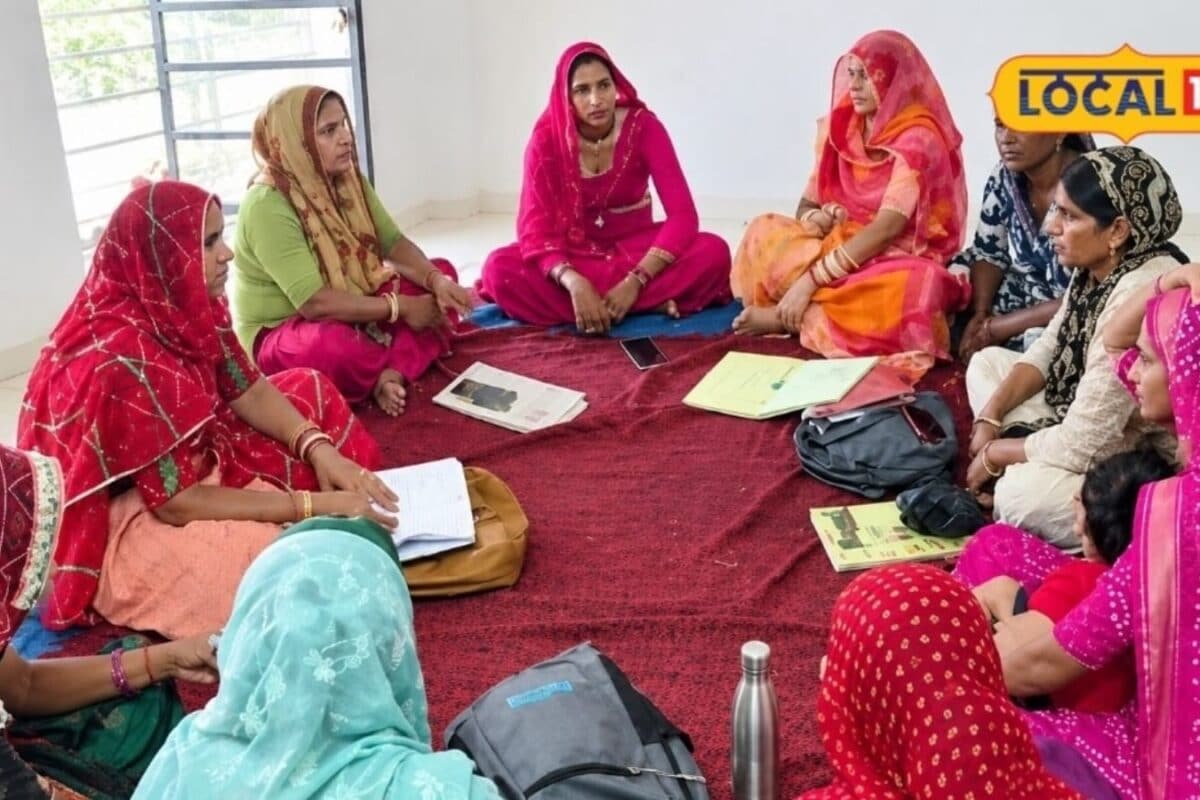
In a significant development for rural empowerment and economic self-reliance, the indigenous products crafted by women in the rural belts of Sikar will no longer remain restricted to local village haats and periodic fairs. The Rajasthan Grameen Aajeevika Vikas Parishad, commonly known as Rajeevika, is systematically preparing to upgrade high-performing self-help groups by imparting advanced technological capabilities. This visionary initiative marks a monumental shift from traditional offline trading paradigms to a structured digital commercial ecosystem designed specifically for rural artisans and producers.
Historically, the talented women of rural Sikar and the broader Shekhawati region possessed exceptional traditional skills, yet their economic gains were severely curtailed due to geographic isolation and a total lack of modern marketing infrastructure. Confined mostly to immediate village markets and seasonal fairs, these women struggled to realize fair remuneration for their labor and exquisite craftsmanship. The absence of organized supply chains meant that massive profit margins were routinely siphoned off by middlemen and third-party traders who controlled access to larger urban consumer bases.
Under the newly formulated comprehensive modernization strategy, female artisans will receive intensive professional training encompassing modern packaging techniques, sophisticated product branding, online sales management, and advanced digital marketing. As part of the first phase of this digital transformation, administrative preparations are currently underway to formalize a memorandum of understanding with a prominent corporate entity. Furthermore, participating women will be equipped with modern tablet devices, enabling them to digitally maintain comprehensive profiles of their merchandise and accurately monitor real-time sales records.
Stakeholders across the cooperative ecosystem have expressed profound optimism regarding this technological intervention. Local community leaders and officials supervising the self-help groups note that bringing these enterprises online will drastically minimize, if not entirely eliminate, the historically exploitative dependence on middlemen. By leveraging digital connectivity, indigenous Shekhawati specialties—ranging from authentic bajra-based food items, traditional papads, and spicy mangodis to specialized neem soaps—will gain direct access to discerning consumers across the entire nation.
The broader economic ramifications of this project extend deeply into the regional trade networks of the Kotputli-Behror district and adjoining administrative zones. As rural women transition into digitally empowered micro-entrepreneurs, household incomes within the Shekhawati tract are projected to experience a sustainable upward trajectory. This economic fortification directly strengthens grassroots financial independence, empowering female household heads to reinvest in family health, nutritional security, and children's education, thereby fostering inclusive regional development.
Administrative oversight and execution are being meticulously coordinated by Rajeevika officials, who have outlined a structured roadmap for implementation. The state administration and associated partner agencies are finalizing the logistical frameworks required to roll out the training modules smoothly. Bureaucratic bottlenecks are being systematically addressed to ensure that rural beneficiaries encounter no technical or infrastructural hindrances when integrating into the broader national e-commerce marketplace.
Looking ahead, the formal commencement of the district-level training sessions is officially scheduled to take place immediately following the Diwali festival. As these empowered women log into their newly issued tablets and list their traditional creations for nationwide buyers, the economic landscape of Sikar and Shekhawati stands on the brink of a historic digital renaissance, bridging ancient rural craftsmanship with futuristic digital commerce.