
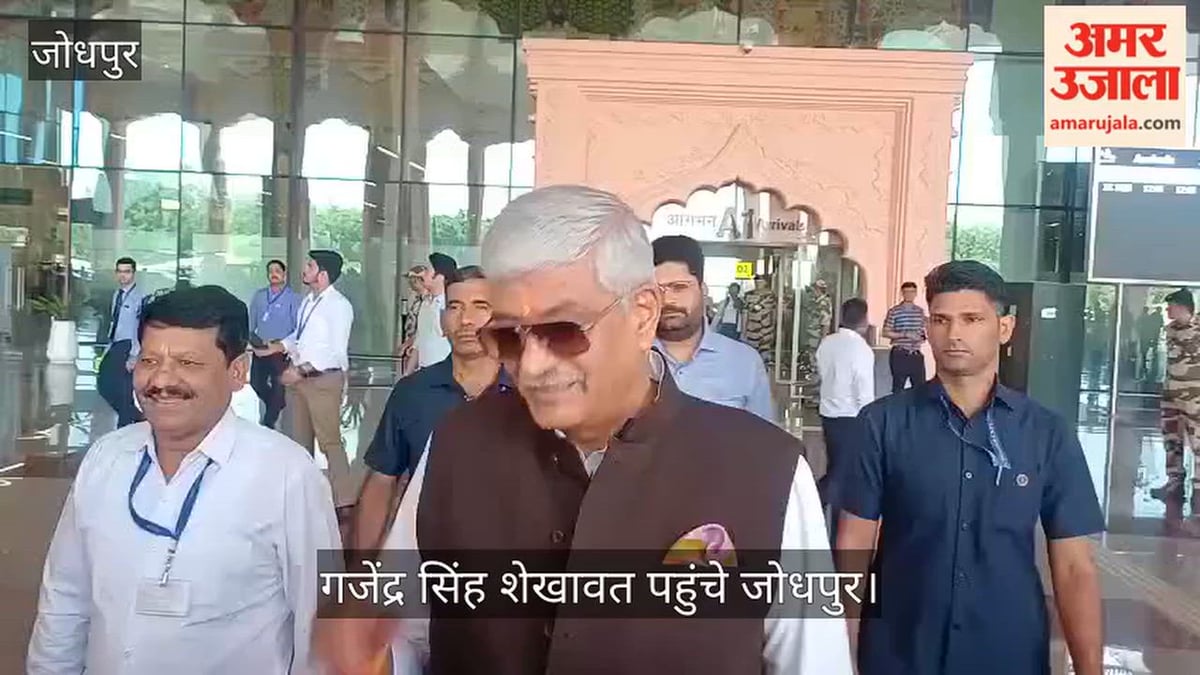
Union Minister Gajendra Singh Shekhawat has openly criticized Congress leader Rahul Gandhi regarding his recent public statements and behavioral conduct during a political gathering in Madhya Pradesh. The high-profile political confrontation has sparked widespread discussions across national and regional media platforms, drawing sharp reactions from the ruling political establishment. The unfolding controversy centers around the decorum expected of national political figures when addressing constitutional offices on public forums.
The events leading up to this recent political friction stem from an ongoing series of heated exchanges between the ruling party and the opposition, particularly concerning public addresses and rallies held across Madhya Pradesh. Political observers note that such public gatherings often become flashpoints for ideological battles, where leaders from opposing factions utilize public platforms to deliver sharp rhetorical attacks against their political adversaries, thereby heightening the overall political temperature in the region.
While specific logistical statistics and financial allocations for the Madhya Pradesh political rally remain outside the immediate scope of administrative audits, the rhetorical intensity of the event has drawn intense public scrutiny. Political analysts and commentators have quantified the frequency of such verbal exchanges, pointing out a notable escalation in confrontational political discourse as various state and national electoral cycles approach across different parts of the country.
Stakeholders, party workers, and local observers have expressed divergent views regarding the appropriateness of language used during public political campaigns. Supporters of the ruling party echo the sentiments of Union Minister Gajendra Singh Shekhawat, arguing that strict adherence to political decorum and respect for the office of the Prime Minister is paramount in a parliamentary democracy. Conversely, opposition representatives maintain that robust political critique is a fundamental pillar of democratic opposition.
The reverberations of these national political developments are felt across various administrative districts, including regions like Kotputli-Behror, where local political workers closely monitor national rhetoric. The socio-political environment in regional areas often mirrors the broader ideological currents flowing from central political battlegrounds, influencing local public discourse, community discussions, and grassroots political mobilization efforts among party cadres.
Administrative authorities and local law enforcement agencies continue to monitor public gatherings and political rallies across Madhya Pradesh and surrounding regions to maintain public order and ensure that public discourse adheres to established legal and ethical guidelines. While no direct statutory violations have formally triggered judicial interventions in this specific instance, standard oversight mechanisms remain active to prevent any escalation of public friction.
Looking ahead, political commentators anticipate that the ongoing friction between the ruling alliance and the opposition will continue to shape the narrative of upcoming political campaigns and legislative sessions. As political figures travel across different states for rallies and public engagements, the emphasis on decorum, political maturity, and accountable public speech will undoubtedly remain a central theme of public debate and media scrutiny.