
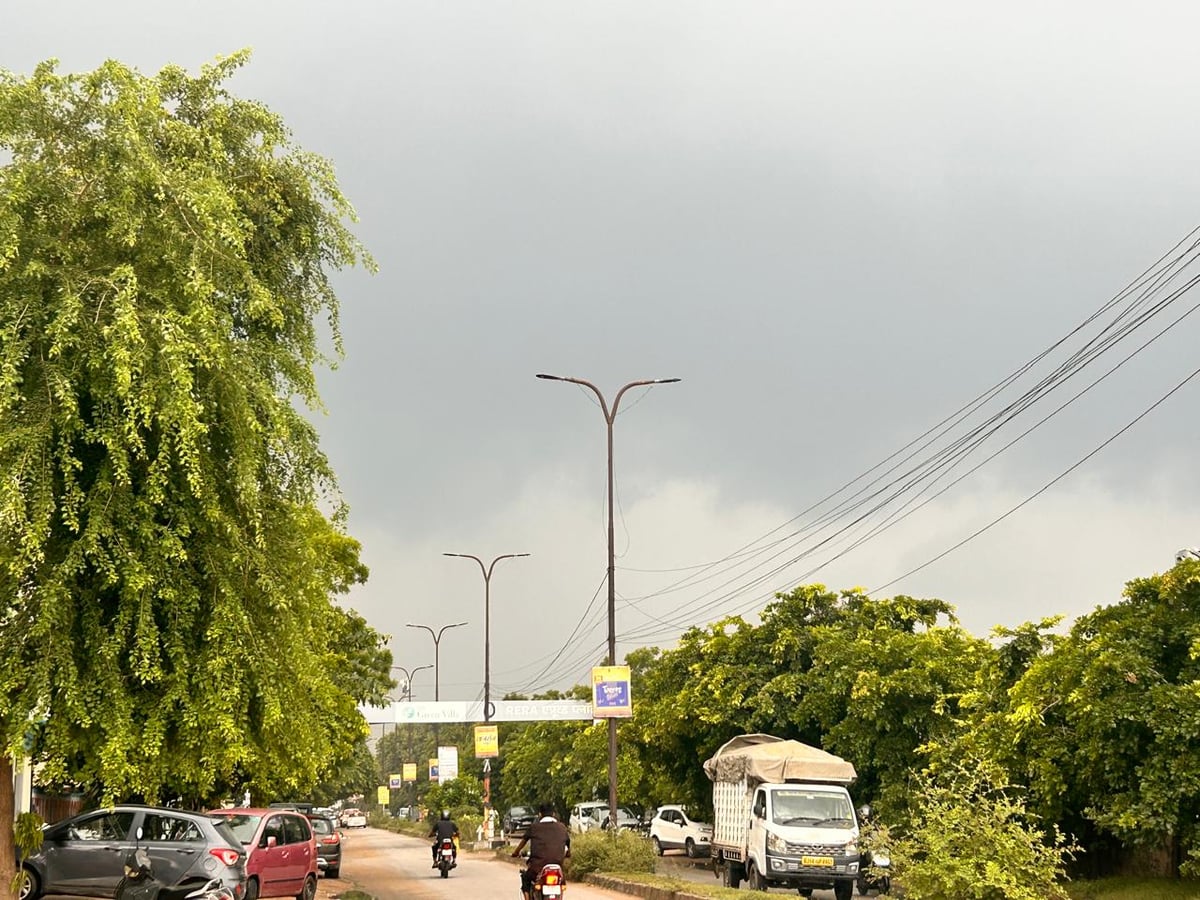
The meteorological landscape of Rajasthan is bracing for a significant disruption as regional weather authorities issue comprehensive warnings regarding the convergence of multiple weather systems on October 29 and 30. The primary catalyst for this atmospheric shift is identified as Cyclone Arnab, which has formed and progressed from the Bay of Bengal, interacting simultaneously with a newly energized western disturbance sweeping across the northwestern plains of the country. This meteorological convergence is anticipated to bring abrupt climatic changes, causing marked drops in temperature and hazardous conditions spanning multiple administrative divisions within the state.
Delving into the background of this meteorological event, regional weather experts explain that systems originating in the Bay of Bengal frequently retain substantial moisture as they travel inland, provided they encounter favourable upper-air dynamics. The current formation of Cyclone Arnab represents a classic autumn weather phenomenon where tropical moisture systems collide with temperate western disturbances. Historically, such interactions have produced widespread precipitation and erratic weather patterns across northern and northwestern India, often catching agrarian communities during crucial harvesting and sowing transitions.
While comprehensive statistical figures regarding precise wind speeds and cumulative rainfall millimeters remain under constant evaluation by the meteorological department, initial ground reports indicate that atmospheric pressure drops are already being registered. The stakes are particularly high for agricultural stakeholders, local traders, and transport networks across the affected zones. The localized hailstorms forecasted for parts of the state carry the inherent risk of causing severe physical damage to standing seasonal crops, stored produce, and fragile rural infrastructure, necessitating immediate precautionary measures.
Stakeholder perspectives from various districts within the alert zones reflect a palpable sense of anxiety mixed with pragmatic preparedness. Local farming cooperatives and individual agriculturists have expressed deep concern over the timing of the impending downpour and hailstorms, noting that unseasonal precipitation can severely compromise crop quality and market value. Local merchants and transport operators are equally wary of potential logistical bottlenecks, flooded roadways, and reduced visibility that typically accompany such high-intensity convective weather events.
Examining the regional impact specifically concerning the broader local economy and communities, the alerts for Jaipur and Bharatpur divisions highlight the vulnerability of semi-urban and rural peripheries. Agricultural belts surrounding these urban centers are particularly exposed to the fury of Cyclone Arnab's outer bands. Local village panchayats and community leaders have begun disseminating safety advisories, urging residents to secure loose tin roofs, safeguard harvested grains, and keep livestock protected from sudden drops in temperature and heavy downpours.
On the administrative front, disaster management cells and district authorities have initiated preliminary coordination meetings to review readiness protocols. Although formal statutory emergency declarations are modulated based on real-time radar updates, local administration units have placed response teams on standby. Municipal corporations in Jaipur and Bharatpur are reviewing drainage clearances and inspecting vulnerable electrical installations to prevent urban waterlogging and electrocution hazards during the predicted spells of heavy rain.
Looking forward into the immediate timeline of October 29 and 30, the public and institutional expectations are centered on continuous monitoring and timely weather advisories. Meteorological scientists emphasize that the trajectory and dissipation rate of Cyclone Arnab will dictate the exact intensity of precipitation in localized pockets. Citizens across Rajasthan, especially within the high-alert northern sectors of Jaipur and Bharatpur, are strongly advised to stay tuned to official broadcasts, exercise extreme caution during travel, and adhere strictly to safety guidelines issued by disaster management authorities.
