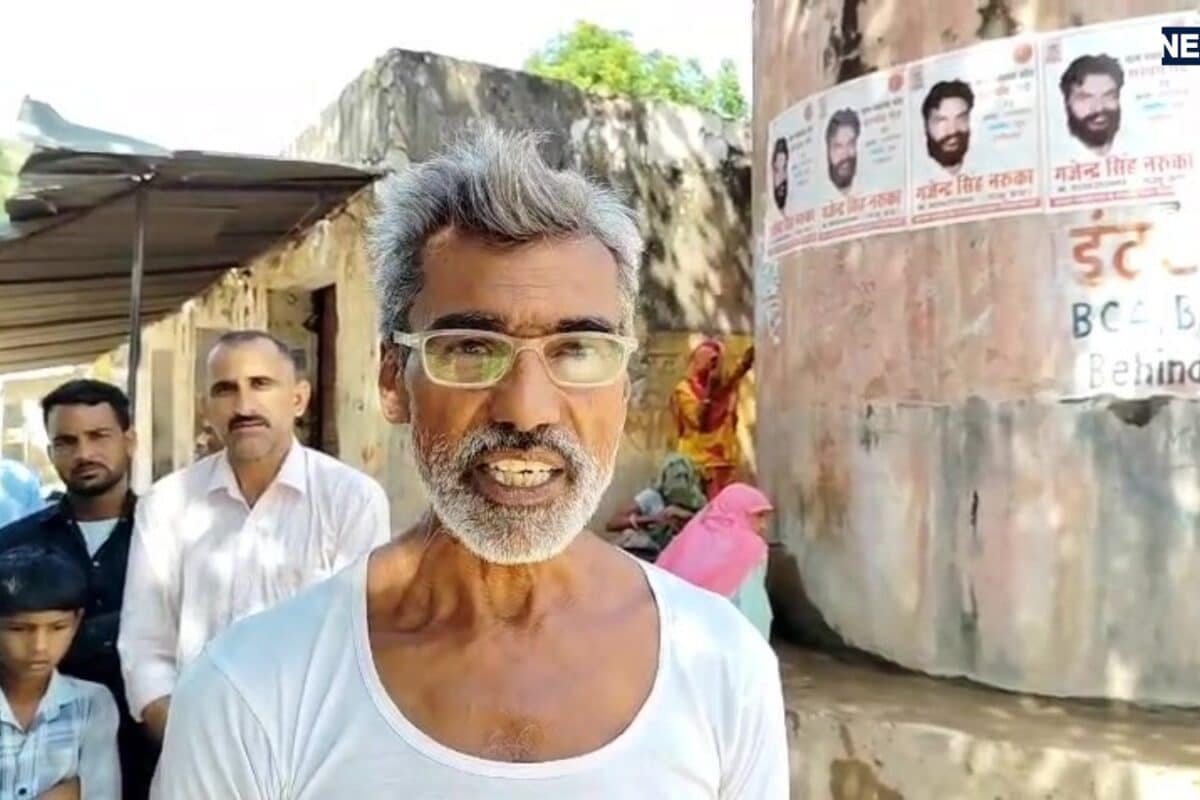
The Alwar water crisis has taken an alarming turn as the residents of Bader village within the Malakhera region face an unprecedented and grueling shortage of potable water. The local community, comprising an estimated population of four thousand citizens, has been severely crippled by the total collapse of regular water supply systems. Daily survival in the area has transformed into an exhausting struggle, with households lacking even the most basic quantities of water required for drinking, cooking, and daily sanitation.
The roots of this infrastructural failure trace back to prolonged neglect and inadequate municipal resource distribution networks across the rural expanses of the region. Over successive months, the pressure within the supply pipelines has dwindled to negligible levels, rendering government taps completely dry. Households that once relied on scheduled public water distribution are now entirely abandoned to the whims of failing infrastructure, with local authorities consistently failing to upgrade or repair aging borewells and distribution lines.
The ground reality reflects a desperate financial and physical burden on ordinary families who are already struggling with economic constraints. According to official reports, desperate residents are receiving an abysmal supply of water lasting less than five minutes once every five days. This microscopic window of supply is utterly insufficient to fill domestic storage vessels, forcing impoverished families to spend six hundred rupees out of their own pockets to procure private water tankers just to quench their thirst.
Community members, particularly women who bear the primary responsibility for household management, are subjected to unimaginable physical hardship under the blazing sun. Women are compelled to spend hours standing in grueling queues whenever private resources arrive or distant alternative sources are located. Frustrated by the absolute apathy of the local administration, villagers have voiced their deep grievances, pointing out that such exorbitant expenditures on basic water are completely unsustainable for working-class households.
The wider regional impact of this persistent water emergency is acutely felt across the surrounding communities of the district, echoing broader concerns regarding rural water security and sustainable resource management. The diversion of scarce household incomes toward purchasing private water tankers severely drains the local economy, preventing families from spending on essential nutritional, educational, and healthcare needs. The socio-economic fabric of the village is fraying as productivity plummets due to hours lost simply securing water.
Despite repeated appeals and formal grievances submitted by community leaders to the concerned departments, the administrative response thus far has been sluggish and largely ineffective. Supervisory engineers and local governance bodies have offered temporary assurances without deploying substantive, long-term engineering interventions or emergency tanker supplies at government expense. Public oversight mechanisms are currently under intense scrutiny as citizens demand immediate accountability from the agencies responsible for rural water distribution.
Looking ahead, the collective patience of the local populace has reached its absolute breaking point, with residents issuing stern ultimatums to the district administration. If the grievances regarding the irregular five-day supply cycle and the exploitative costs of private tankers are not addressed immediately, the community has formally warned of launching widespread public agitations and protests. The coming days will be critical in determining whether the administration takes proactive measures to restore civic order and secure the fundamental right to water for the people.