
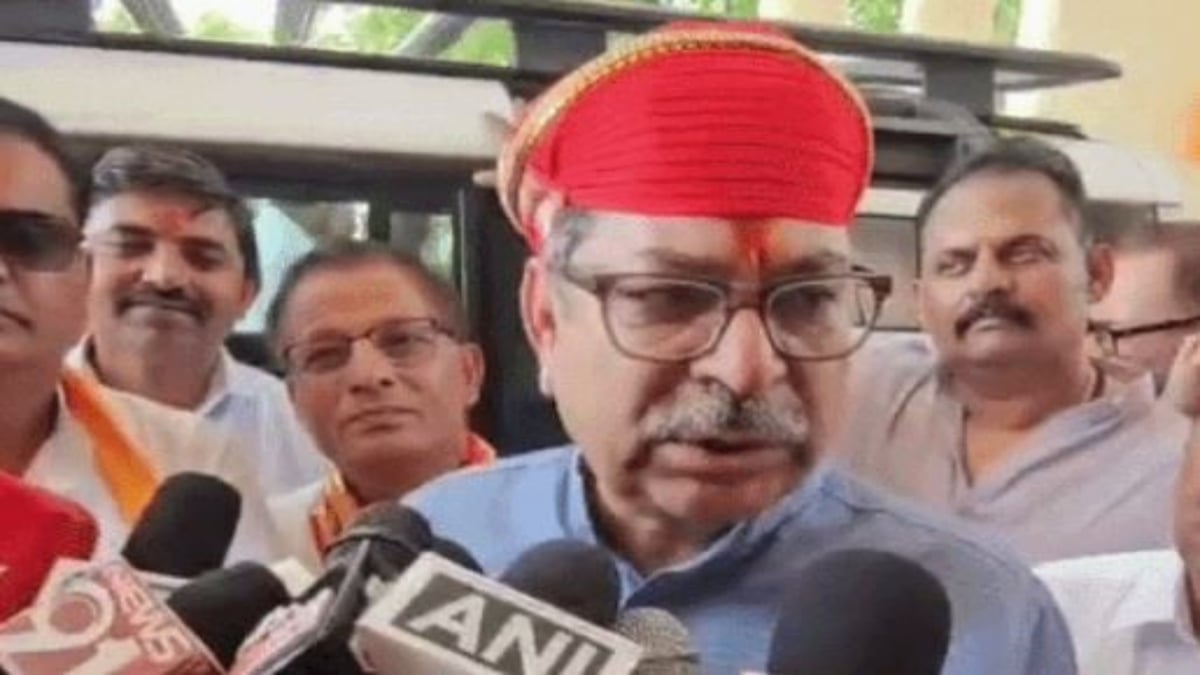
In a significant political development unfolding in Udaipur, Bharatiya Janata Party (BJP) National General Secretary Satish Poonia launched a severe verbal assault on former Chief Minister Ashok Gehlot. Addressing critical matters of governance, Poonia targeted the previous administration over persistent systemic challenges such as administrative corruption, recurring recruitment examination paper leaks, and fluctuating law and order conditions across the state.
The historical context of this political friction traces back to successive policy decisions and administrative strategies implemented during the tenure of the previous Congress government led by Ashok Gehlot. Throughout that electoral cycle and subsequent legislative transitions, opposition leaders consistently scrutinized the handling of public infrastructure, security frameworks, and transparency in public sector recruitment processes.
While evaluating the ground reality of governance, political analysts and regional stakeholders have frequently debated the efficacy of administrative oversight mechanisms. The controversies surrounding recruitment examination leaks historically impacted thousands of aspirants, creating widespread socio-economic anxiety and intense debates regarding the safeguarding of institutional integrity and merit-based selection procedures.
Amplifying these pressing concerns, Satish Poonia articulated the party's official stance during his address in Udaipur, bringing direct attention to structural lapses under the former regime. Highlighting the political and administrative transition, Poonia remarked that the former Chief Minister now appears elderly and has begun noticing administrative shortcomings only after the loss of political power and governmental authority.
The regional resonance of these political developments extends directly into communities such as Kotputli-Behror, where local residents, students, and business owners continuously monitor shifts in state-level policies. Economic stability, employment generation, and regional security remain paramount concerns for the local populace, making administrative efficiency and transparent governance central themes of public discourse.
Administrative oversight and statutory accountability mechanisms continue to be focal points for public administration across Rajasthan. Following transitions in governmental leadership, citizens and civil society organizations increasingly demand robust institutional frameworks, stringent anti-corruption measures, and absolute transparency in public service recruitment to prevent recurrence of past administrative failures.
Looking toward the political horizon, stakeholders across the state anticipate sustained debates concerning past governance records and future policy implementations. As political parties position themselves for upcoming legislative priorities and administrative reviews, public expectations for transparent governance, rigorous law enforcement, and credible institutional reforms remain exceptionally high.