
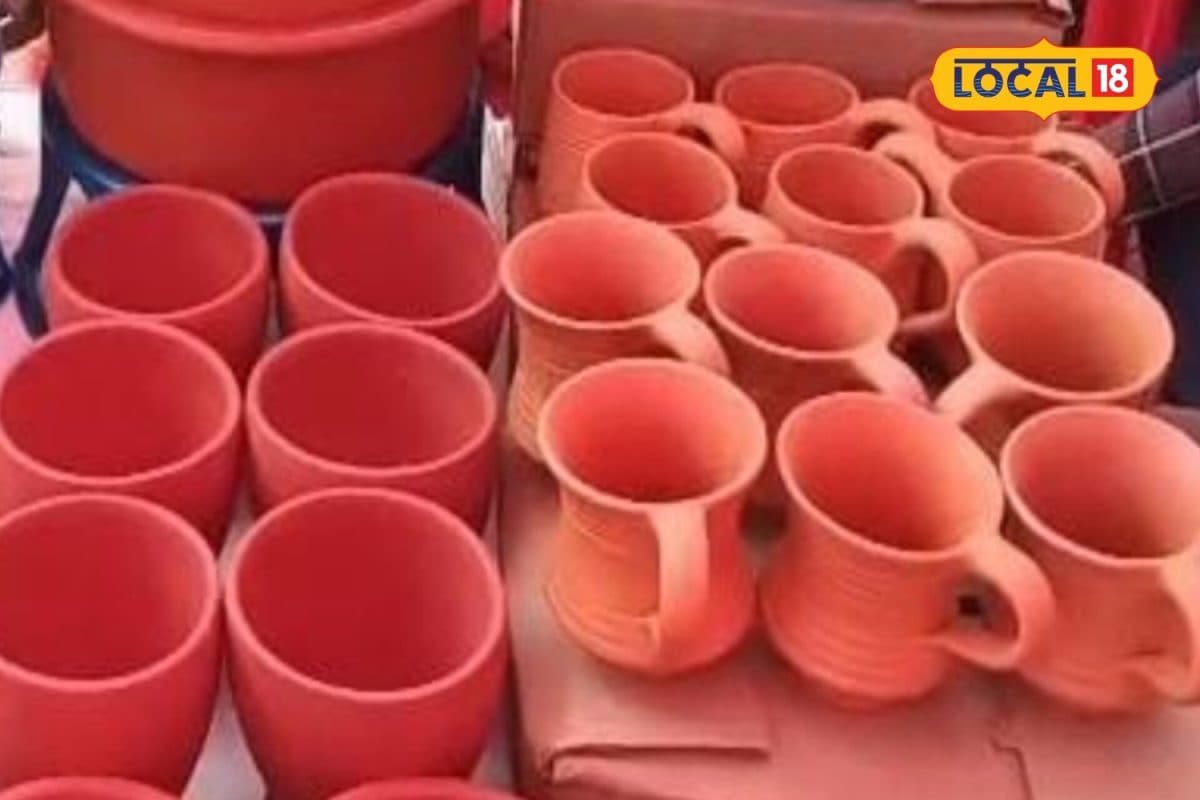
According to the latest reports from Bharatpur Hindi News, a significant cultural and lifestyle shift is currently unfolding across Bharatpur as traditional clay kitchenware experiences a profound resurgence. Modern households, long accustomed to metallic and non-stick alternatives, are increasingly turning their attention back to indigenous earthenware. This widespread return to traditional cooking and dining vessels marks a fascinating intersection between ancestral health wisdom and contemporary domestic preferences.
Historically, earthen vessels formed the bedrock of traditional Indian households, praised for their ability to retain natural moisture and essential nutrients during the cooking process. Over recent decades, the widespread commercialization and convenience of aluminum, steel, and synthetic non-stick coatings had largely sidelined these organic creations. However, growing awareness regarding holistic health and chemical-free culinary practices has reignited interest in the historical roots of traditional kitchen architecture.
The ground reality within local marketplaces of Bharatpur reveals a thriving assortment of newly crafted clay utensils designed specifically to meet modern nutritional and domestic demands. Market inventories now proudly display an array of items including specialized clay plates, bowls, griddles known as tawas, deep frying pans, and various other functional cookware alternatives. This diverse availability ensures that consumers can seamlessly integrate traditional vessels into their contemporary daily cooking routines without sacrificing culinary efficiency.
Traders, potters, and merchants across the region have expressed immense satisfaction and renewed optimism regarding this unexpected commercial upswing. The distinct aesthetic appeal of these handcrafted terracotta items, combined with their recognized ecological and health benefits, has strongly resonated with everyday shoppers. Shopkeepers report that customers of all demographic backgrounds are actively inquiring about and purchasing these natural alternatives for everyday use.
Beyond the immediate municipal boundaries of Bharatpur, this culinary trend holds promising implications for regional artisan communities engaged in traditional pottery. The sustained demand for indigenous kitchenware provides a vital economic lifeline to local craftspeople who rely on traditional wheel-throwing and kiln-firing techniques for their livelihood. Such grassroots economic stimulation fosters the preservation of ancient artisanal heritage within the wider region.
While large-scale administrative interventions or statutory mandates are not directly driving this consumer-led movement, local trade associations and cultural bodies are observing the shift with keen interest. The organic nature of this revival demonstrates how public consciousness regarding sustainable living can successfully rejuvenate indigenous markets without heavy-handed regulatory pressures.
Looking ahead, market analysts and community leaders in Bharatpur anticipate that this growing preference for earthenware will maintain its upward trajectory. As urban and semi-urban households continue prioritizing wellness, organic living, and chemical-free lifestyles, traditional clay utensils are firmly positioned to retain a permanent and respected place in modern kitchens for the foreseeable future.
