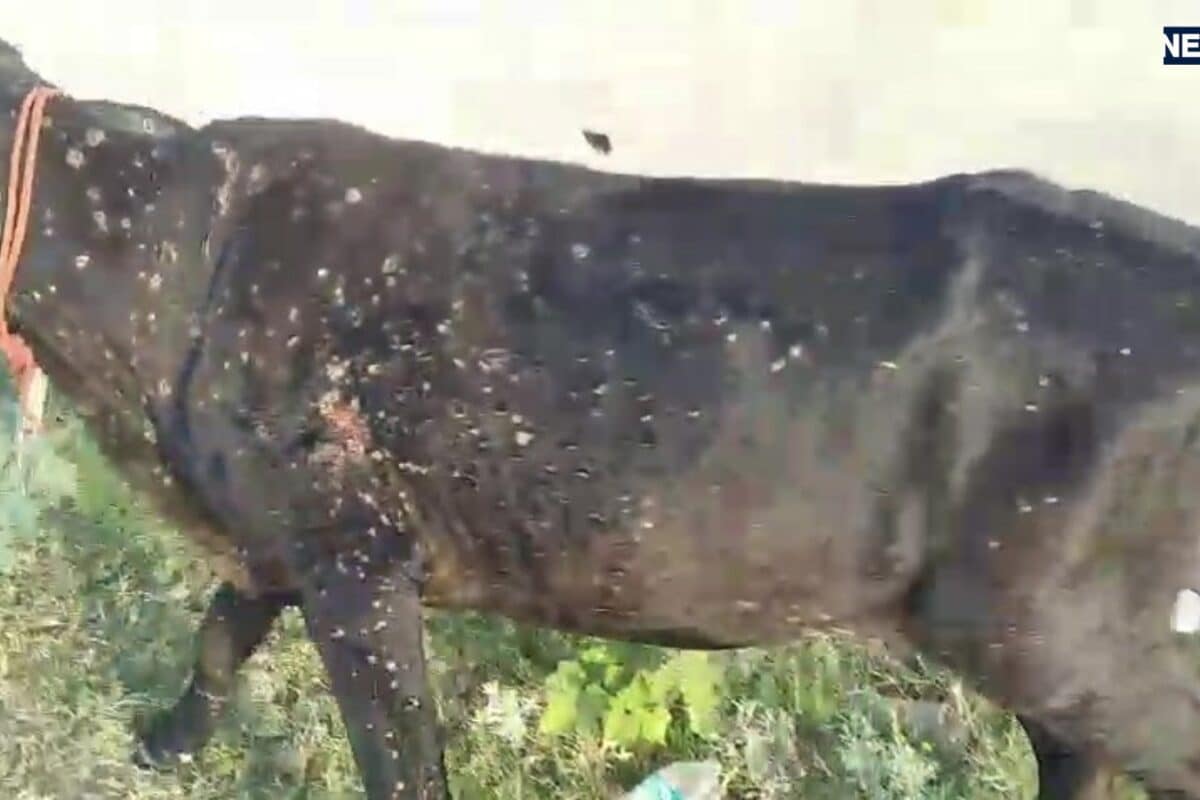
Concerns regarding the resurgence of the Lumpy skin disease have resurfaced among cattle populations in Brijpura village, located within the Chaksu region. According to local reports, the fresh threat has alarmed residents and farmers alike, as livestock suspected of carrying the infection were recently spotted roaming and grazing openly near a prominent educational institution in the area.
The appearance of these suspected infected animals in close proximity to a school has heightened anxieties across the community. Villagers and local observers point out that the lack of immediate containment allows vulnerable livestock to mingle freely, thereby significantly amplifying the risk of widespread viral transmission throughout the local animal population.
As awareness of the situation spreads, the primary operational concern centers on the containment of the contagion before it assumes epidemic proportions. The unrestricted movement of cattle near public zones underscores a persistent vulnerability in disease surveillance and immediate response mechanisms at the grassroots level during viral outbreaks.
Local stakeholders, including farmers and community members, have voiced profound apprehension regarding the potential economic and emotional toll on livestock owners. Community representatives emphasize that timely intervention is paramount to safeguarding the health of the remaining healthy cattle, which form an integral part of the rural agrarian livelihood.
The broader regional implications for nearby districts and animal husbandry networks remain a matter of serious discussion among local agricultural authorities. Given the highly contagious nature of the virus, any delay in instituting quarantine protocols and veterinary oversight could potentially jeopardize regional livestock health and agricultural stability.
In response to these alarming ground observations, community leaders have formally demanded immediate administrative action from the relevant departments. The collective appeal focuses on isolating the symptomatic cattle, administering necessary medical evaluations, and disinfecting public grazing areas to neutralize potential infection vectors.
Looking ahead, residents and local administrators face the critical task of establishing robust monitoring systems to prevent similar occurrences. Ensuring prompt reporting, veterinary mobilization, and community cooperation will be essential steps in mitigating the threat and protecting the region's bovine population from further distress.