
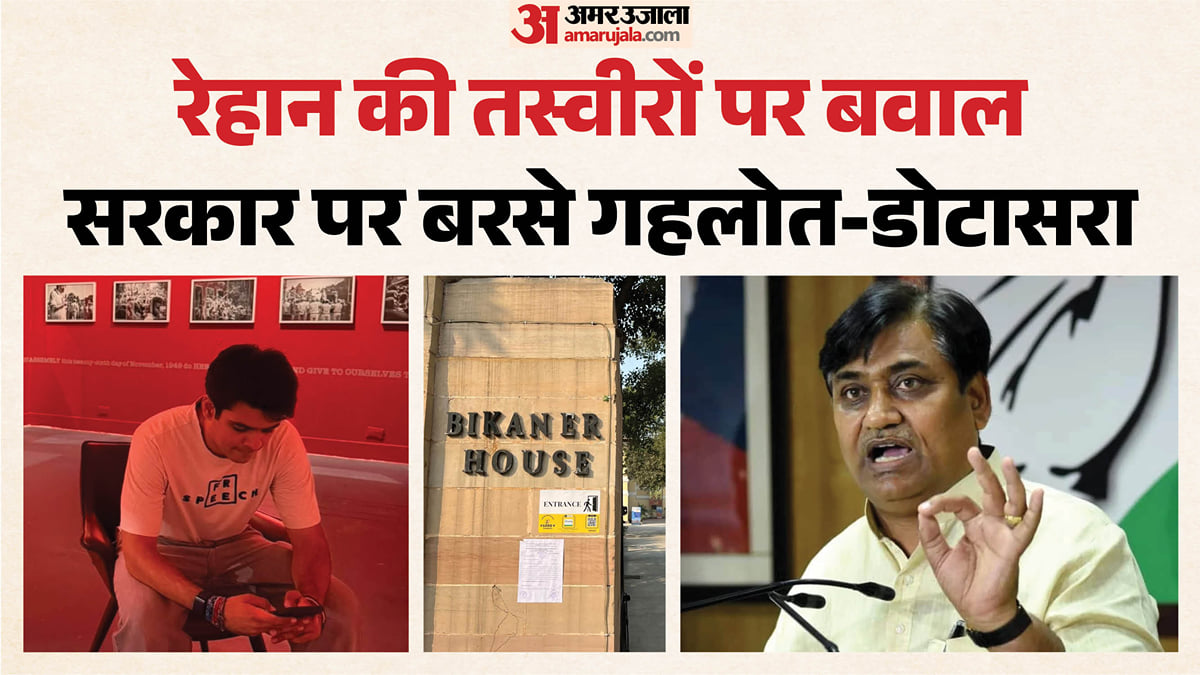
The national capital witnessed a major political controversy at Bikaner House in Delhi, where the removal of over 70 photographs from an exhibition featuring the works of Rehan Vadra drew widespread attention. The sudden decision to take down a substantial number of photographs transformed a cultural event into a fierce political debate. Observers and citizens alike watched closely as the situation unfolded within the prominent cultural and institutional spaces of the city.
Exhibitions held at venues like Bikaner House traditionally serve as open platforms for artistic expression, visual storytelling, and cultural exchange. The origins of the current controversy trace back to the curation and subsequent administrative intervention that led to the abrupt removal of the photographs. Art critics, cultural enthusiasts, and political analysts have examined the historical significance of maintaining institutional neutrality when hosting contemporary art exhibitions.
According to reports detailing the event, more than 70 photographs originally curated for the display were systematically removed from the exhibition space at Delhi's Bikaner House. This specific figure became a focal point of discussion, highlighting the scale of the administrative action taken against the showcase. Cultural organizers and logistics teams faced significant challenges as they navigated the sudden directives issued regarding the venue's displays.
Prominent political figures stepped forward to voice their strong objections against the actions taken by the administration. Senior leaders, including former Chief Minister Ashok Gehot and political leader Dotasra, launched direct verbal attacks against the ruling BJP government, accusing them of suppressing artistic freedom. They argued that such administrative interference undermines democratic values and stifles creative expression in public cultural institutions.
The repercussions of this political standoff at Delhi's Bikaner House extended far beyond the immediate exhibition hall, resonating deeply within regional political circles, including Kotputli-Behror and surrounding districts. Local communities, political workers, and regional observers engaged in intense discussions about the implications of state-level governance on cultural events. The debate highlighted how decisions made in the national capital quickly influence regional political narratives and public discourse.
Administrative authorities and cultural custodians faced mounting pressure to clarify the protocols and standard operating procedures governing exhibitions at Bikaner House. Questions were raised regarding the statutory oversight, institutional accountability, and decision-making processes that authorized the removal of the photographs. Officials noted that future guidelines would need to be meticulously defined to prevent similar conflicts between administrative bodies and event organizers.
Looking ahead, the controversy surrounding Rehan Vadra's exhibition at Delhi's Bikaner House is expected to remain a prominent talking point in political circles. Stakeholders from various sectors anticipate further discussions, potential policy reviews regarding public exhibition spaces, and sustained political engagement on the matter. Public expectations now focus on how political leaders and administrative institutions will address the delicate balance between institutional regulations and artistic freedom.
