
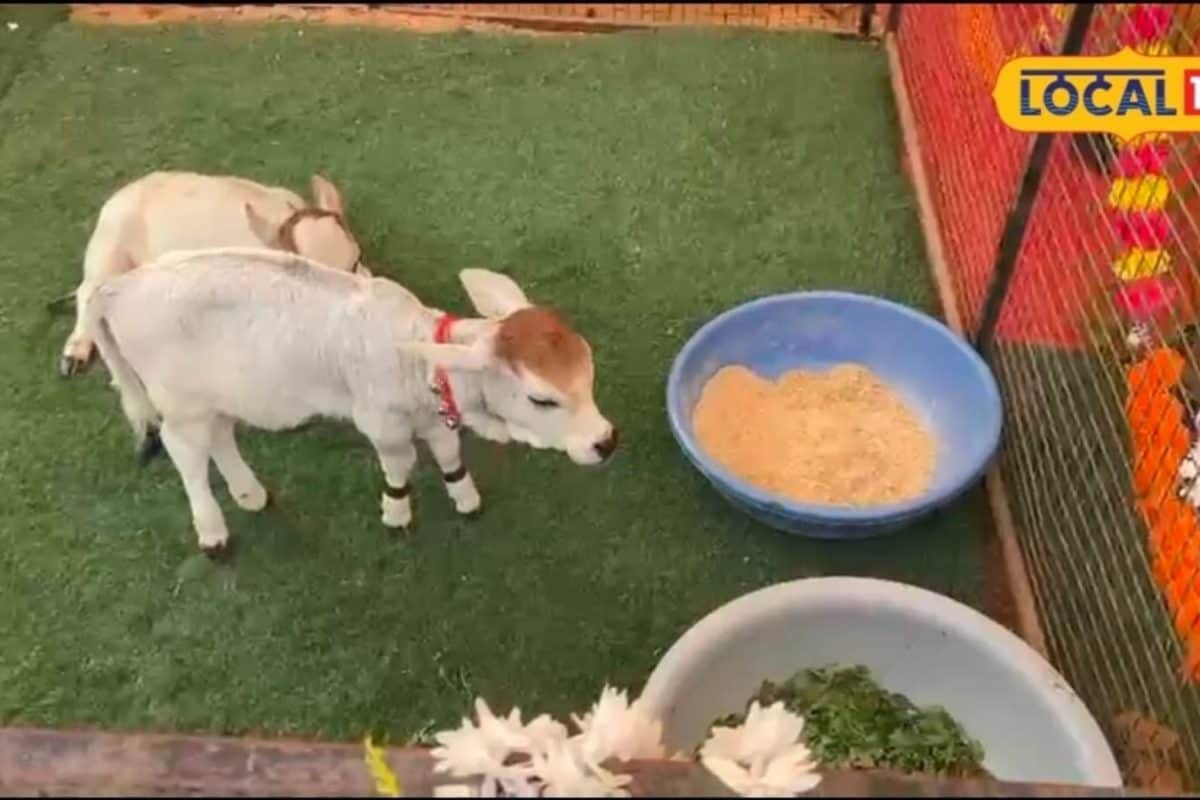
The annual Pushkar Fair in Rajasthan has traditionally been celebrated for its majestic display of camels, horses, and mainstream livestock, but this year's edition has introduced a remarkable shift in focus toward rare and diminutive bovine varieties. Visitors thronging the fairgrounds have found themselves captivated not by the usual large livestock, but by extraordinarily small miniature cow breeds that stand out for their exceptional physiological characteristics and high utility despite their tiny stature. This distinct agricultural showcase has redefined traditional livestock exhibitions across the region.
Bringing these rare animals to the forefront is Abhinav Tiwari, a dedicated livestock rearer hailing from the capital city of Jaipur, who has traveled to Pushkar with a vision to educate the masses. Tiwari's collection features some of the world's most unique and compact cattle breeds, which are rarely seen in standard agricultural markets across northern India. By presenting these animals directly to the diverse crowds at Pushkar, he aims to bridge the knowledge gap regarding indigenous miniature breeds and their remarkable adaptability to modern household settings.
Among the standout attractions at Tiwari's enclosure is a Punganur cow, which measures an astonishing 14 inches in height while maintaining a respectable milk production capacity of approximately 3 liters daily. Alongside the Punganur, the display includes the Mini Mouse breed, standing between 15 to 20 inches tall, and the Vechur breed, which measures between 25 and 28 inches in height. Collectively, these animals yield between 3 to 5 liters of milk, challenging common perceptions regarding the correlation between a bovine's physical size and its nutritional output.
Despite the intense commercial interest and numerous inquiries from eager buyers at the fair, Tiwari has maintained a strict policy regarding the immediate sale of these precious animals on the grounds. Operating from a substantial stock of over 50 cows housed at his dedicated facility, Tiwari has clarified that his primary mission at Pushkar is educational and promotional. Instead of closing spot transactions, he is actively accepting advance bookings for individuals who demonstrate genuine interest and proper capability in maintaining these rare breeds at their private farms.
The presence of these miniature breeds at the Pushkar Fair has resonated significantly with agricultural enthusiasts and urban families from surrounding regions, including the Kotputli-Behror district. Livestock experts and visitors have engaged in extensive discussions regarding the viability of keeping such compact animals in contemporary domestic environments where space is increasingly at a premium. This growing curiosity points toward a potential revival in the appreciation for native Indian cattle heritage and sustainable backyard dairy farming.
As regulatory bodies and agricultural universities continue to monitor the preservation of indigenous livestock, exhibits of this nature provide vital public engagement platforms. Veterinary officials and animal husbandry specialists note that raising awareness about rare breeds helps safeguard genetic diversity against the dominance of high-yielding commercial crossbreeds. The educational initiative spearheaded by Tiwari aligns with broader regional objectives to promote indigenous breed conservation through direct public interaction.
Looking ahead, the successful reception of the miniature cattle at the Pushkar Fair is expected to inspire similar educational exhibits in future agricultural expositions across Rajasthan. With a robust inventory of more than 50 animals ready for methodical placement through verified farm bookings, the movement to popularize these petite bovine wonders is poised for steady expansion. Observers anticipate that this trend will encourage more urban and rural households to explore sustainable, small-scale indigenous dairy practices in the coming months.
