
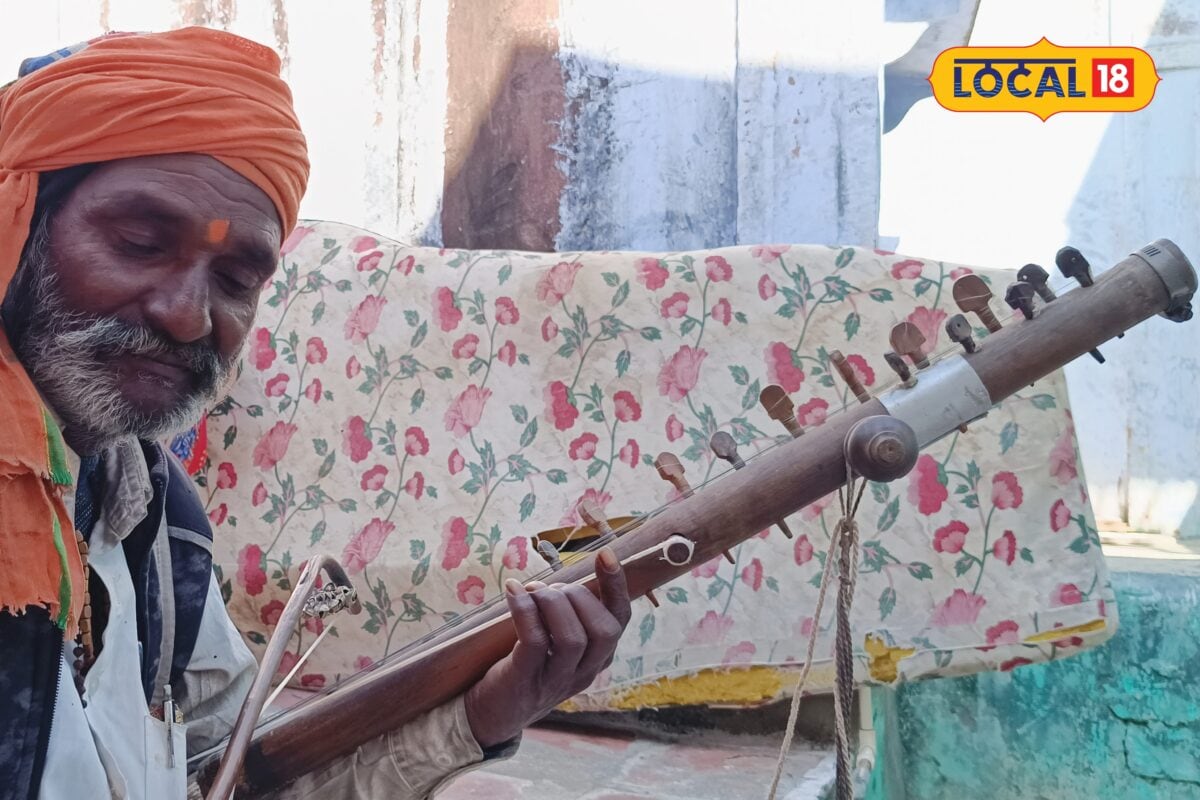
The cultural landscape of Rajasthan resonates deeply with the timeless melodies of the Ravan Hatha, an extraordinary traditional musical instrument intimately linked with regional heritage. In districts such as Karauli, the haunting yet sweet notes of this ancient instrument possess the remarkable ability to make passersby halt in their tracks. As a foundational pillar of desert folklore, the instrument serves as a direct sonic bridge to the bygone eras of royal patronage, valor, and spiritual devotion.
Historically, the origins of the Ravan Hatha are steeped in mythological and regional folklore, traditionally attributed to the legendary demon king Ravana, from whom it derives its evocative name. Over the centuries, this primitive string instrument transformed from a courtly curiosity into the quintessential voice of rural and nomadic bards. The instrument itself is a masterpiece of indigenous craftsmanship, typically constructed from a half- coconut shell covered with stretched goat hide, attached to a bamboo neck, and played with a horsehair bow embellished with small metallic bells that jingle in rhythm.
At the heart of the preservation of this musical tradition stands the dedicated Bhaopa community, whose members have shouldered the immense responsibility of keeping the art form alive through relentless practice and oral transmission. Across generations, these traditional artists have traveled from village to village, carrying the instrument as their primary identity and livelihood. Their performances are not merely musical recitals but profound cultural rituals that reinforce community bonds and historical memory across the region.
Through their soul-stirring renditions, Bhaopa artists traditionally narrate the heroic ballads and epic narratives of revered local deities and historical figures, most notably Pabuji and Dev Maharaj. These oral epics recount tales of supreme sacrifice, protection of the weak, and righteous warfare, serving as an unwritten moral code for rural populations. Listeners often describe the experience of hearing the Ravan Hatha accompanied by these powerful vocal performances as a deeply spiritual and humbling encounter with Rajasthan's soul.
Beyond its immediate presence in Karauli, the reverberations of the Ravan Hatha touch the broader cultural identity of Rajasthan, including emerging administrative regions and developing economic hubs. While modern entertainment mediums threaten traditional art forms, the intrinsic value of the Ravan Hatha remains undiminished among cultural purists and rural communities alike. The preservation of this acoustic heritage is vital for maintaining the distinct regional identity of the state in an increasingly globalized world.
In recent years, cultural institutions, folklorists, and heritage preservation committees have increasingly recognized the urgent need to support communities like the Bhaopas who maintain living traditions. Administrative bodies and cultural academies frequently organize folk festivals and heritage camps to provide these traditional practitioners with platforms to showcase their art. Such interventions aim to ensure that master craftsmen and musicians receive adequate recognition and financial sustainability to pass their knowledge down to contemporary youth.
Looking toward the future, the longevity of the Ravan Hatha depends heavily on active institutional backing, educational integration, and modernized cultural tourism initiatives. Experts emphasize that documenting the oral histories associated with Pabuji and Dev Maharaj, alongside documenting the manufacturing techniques of the instrument, will safeguard this heritage for posterity. As long as the Bhaopa community continues to draw the horsehair bow across its strings, the ancient voice of Rajasthan will endure, captivating new generations with the timeless legends of its soil.
