
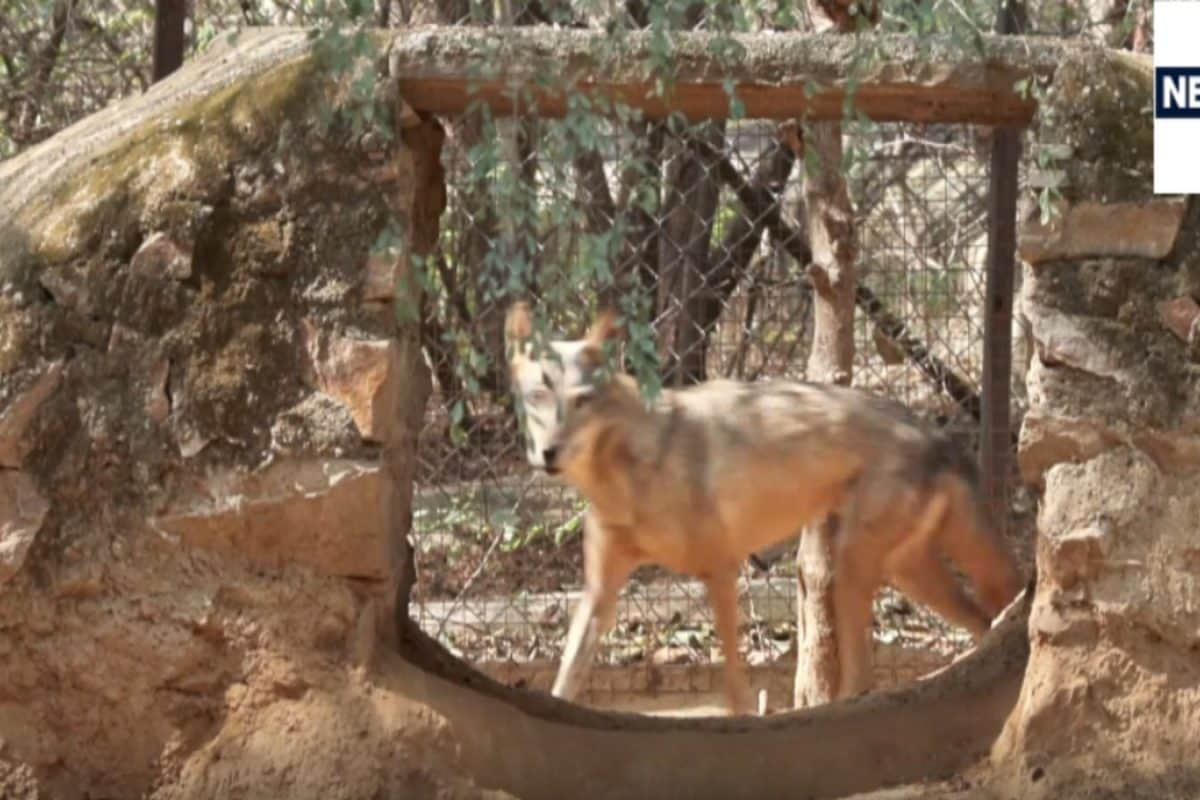
A severe existential crisis is unfolding across the vast landscapes of Rajasthan as the native wolf population experiences a catastrophic decline. For generations, the haunting call of the wild wolf echoed through the open grasslands and arid terrains of the region. However, changing environmental dynamics and unrelenting human pressure have brought this majestic predator to the absolute brink of survival, transforming a once-common wilderness narrative into a heartbreaking tale of vanishing wildlife.
Tracing the historical context reveals a deeply alarming downward trajectory over the last two decades. Government wildlife records from the year 2007 documented a relatively stable population of 1,596 wolves roaming freely across the state. These animals traditionally inhabited the expansive wastelands, scrub forests, and pastoral commons that formed the ecological backbone of rural Rajasthan, seamlessly coexisting with traditional pastoralist communities who understood the delicate balance of the local ecosystem.
The findings of the recent 2026 wildlife census have exposed a shocking reality, registering a paltry 467 wolves in the selected monitoring areas across the state. This staggering numerical drop represents a massive loss of biodiversity within a relatively short historical timeframe. Wildlife conservationists and researchers point out that this drastic reduction highlights systemic failures in habitat management, land-use planning, and wildlife corridor preservation throughout the state's diverse geographic zones.
A particularly perilous aspect of this ecological crisis is the geographical distribution of the remaining population. Empirical data from the census reveals that approximately 85 percent of the surviving wolves currently exist outside officially designated protected areas. Living in unprotected zones exposes these vulnerable carnivores to constant conflict with human populations, livestock guardians, and the rapidly expanding infrastructure projects that fragment their traditional hunting grounds.
The rapid disappearance of traditional community lands, including local pastures known as gochar, sacred groves known as oran, and open wilderness spaces, has severely crippled the natural foraging and breeding capabilities of the wolf population. As concrete structures, agricultural expansion, and industrial encroachments gobble up these vital open lands, wolves are pushed into marginal zones where food scarcity and human retaliation become daily hazards to their survival.
Environmental experts, wildlife administrators, and concerned citizens are now raising urgent questions regarding the future efficacy of conservation policies in the state. The central administrative challenge lies in formulating robust strategies that extend beyond the boundaries of national parks and sanctuaries to protect the vast swathes of revenue land and common property resources where the vast majority of wolves currently struggle to find sustenance.
Looking toward the horizon, the timeline for corrective action is perilously narrow if policymakers intend to prevent the local extinction of this essential apex predator. Comprehensive protective measures, strict anti-encroachment enforcement on gochars and orans, and massive public awareness campaigns involving local rural communities are urgently required. Without immediate, decisive interventions, the haunting question remains whether future generations will ever witness the free-roaming wolf in the landscapes of Rajasthan.
