
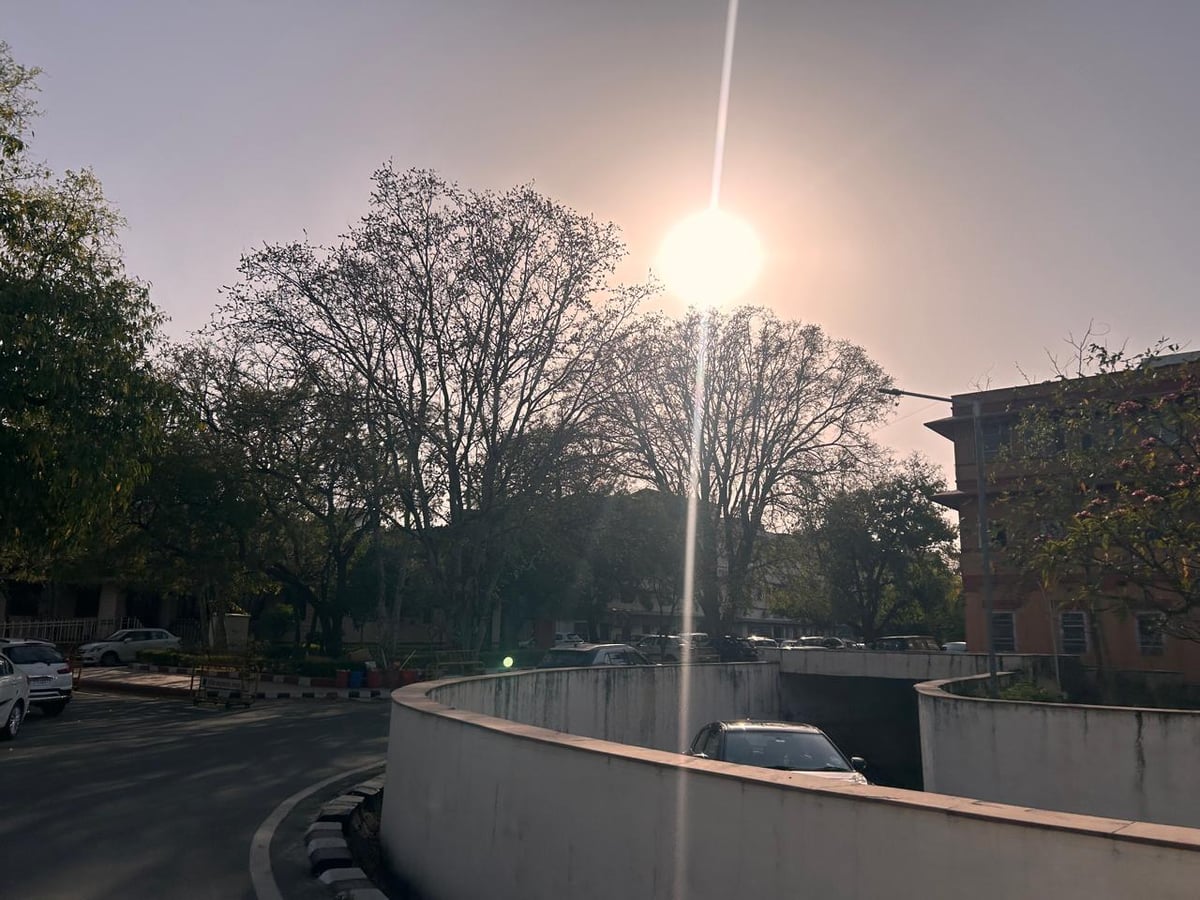
Winter has officially made its presence felt across Rajasthan as a distinct chill takes over the night atmosphere, compelling residents to pull out warm clothing. The ongoing meteorological transition marks a significant shift in climatic conditions throughout the state. As autumn transitions into the colder months, the nocturnal environment has experienced a sudden and sharp decline in warmth, altering the daily rhythms of local populations.
A detailed examination of historical seasonal patterns reveals that such temperature drops are typical precursors to the core winter season in this region. The geographical terrain of Rajasthan, characterized by vast open expanses and desert influences, traditionally experiences rapid nocturnal cooling once the monsoon humidity completely dissipates. This natural phenomenon sets the stage for the chilly evenings that residents currently navigating.
Ground reports and data compiled from various weather stations confirm that the cold has intensified notably in specific pockets. Most strikingly, recording stations in Sikar and Fatehpur have documented the mercury plunging to 12.5 degrees Celsius. This specific statistical reading highlights the severity of the early seasonal drop, making these areas the current focal points of the state weather monitoring networks.
Local communities, farmers, and daily commuters are already adjusting their routines to cope with the intensifying weather conditions. Agricultural workers in rural zones and early morning travelers are particularly sensitive to these micro-climatic shifts. Market vendors and local shopkeepers report an immediate surge in the demand for woolen garments and warm beverages, reflecting the sudden lifestyle adjustment forced upon the populace by the dropping temperatures.
The regional impact of this weather pattern extends directly to the Kotputli-Behror district and surrounding urban centers, where local administrative bodies and residents are bracing for colder nights. The local economy in these areas is witnessing a seasonal shift, with micro-enterprises dealing in winter apparel experiencing early commercial activity. Community gatherings and evening outdoor events are also seeing a noticeable drop in attendance as people prefer the warmth of indoors.
Administrative authorities and civic bodies are monitoring the situation closely to ensure public health and safety during the seasonal transition. While no emergency measures have been triggered yet, local health officials advise vulnerable populations, particularly the elderly and young children, to take necessary precautions against the sudden drop in night temperatures. Municipal preparations are underway to address potential demands related to night shelters and public warmth if conditions worsen.
Looking ahead, the India Meteorological Department (IMD) has issued a comprehensive forecast stating that the weather will remain entirely dry across the state for the next one week. Furthermore, meteorological models project that Jaipur and several other administrative divisions will witness an additional fall of one to two degrees in night temperatures over the coming days. Citizens and local administrations are advised to stay updated with daily bulletins as the winter season deepens across Rajasthan.
