
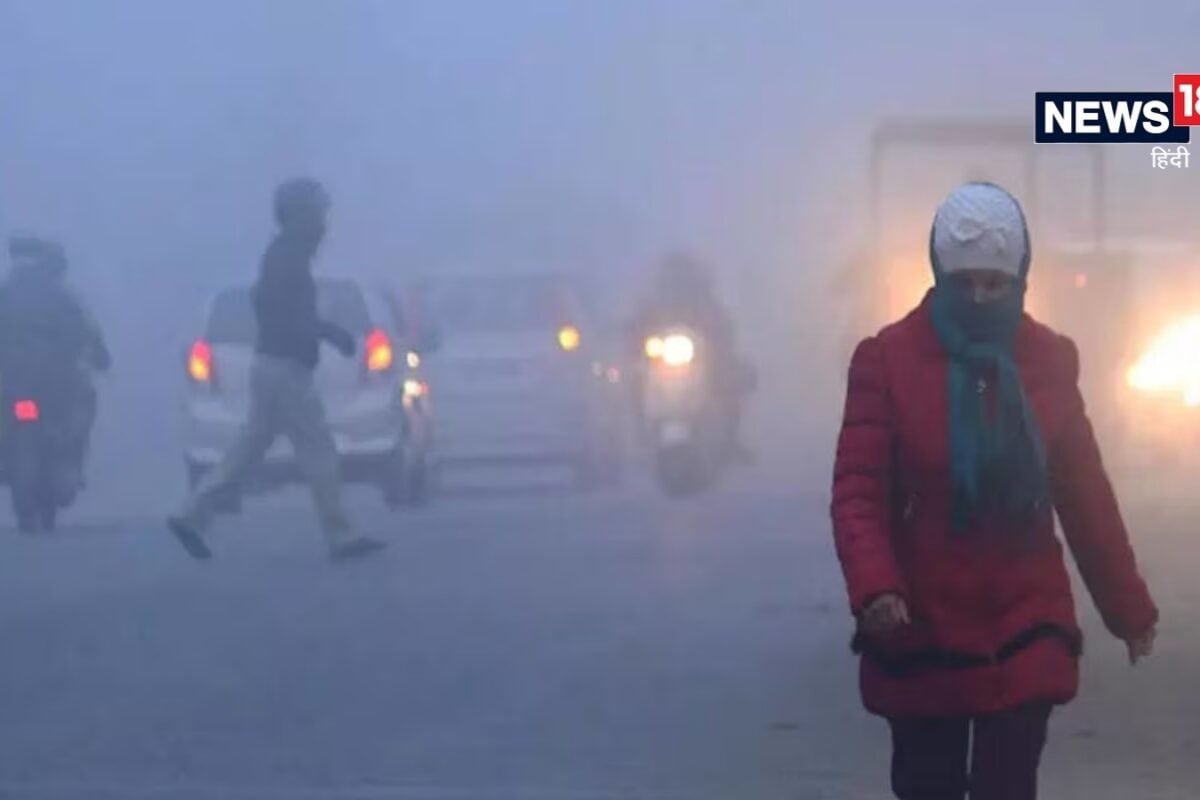
Rajasthan is currently experiencing a sharp and intensifying winter chill across multiple districts, with the meteorological department confirming a steep downward trend in night temperatures. The cold wave conditions have particularly entrenched themselves in the northern and western parts of the state, signaling the arrival of a severe winter season. Citizens across various regions woke up to biting morning cold and dense foggy layers, disrupting early morning routines and outdoor activities as the seasonal transition officially peaks.
Historically, the Shekhawati region acts as the primary pocket for extreme winter fluctuations in Rajasthan, owing to its geographical topography featuring vast sandy expanses and open plains that radiate heat rapidly after sunset. Meteorological records over successive decades consistently highlight this specific zone as the epicenter for the state's winter extremes. This year follows a similar seasonal pattern, prompting agricultural experts and local authorities to review historical data trends to prepare local populations for sustained sub-zero or near-freezing nocturnal conditions.
According to the latest comprehensive data released by the meteorological department for 29 November, the entire state of Rajasthan will witness completely dry weather conditions with absolutely no expectation of rainfall. Fatehpur in Sikar district recorded the absolute lowest minimum temperature in the state at a freezing 6.0 degrees Celsius. Close behind, Sikar city registered a night temperature of 6.2 degrees Celsius. Other notable temperature drops across the region include Nagaur at 7.2 degrees Celsius, Bhilwara at 8.0 degrees Celsius, and the popular hill station of Mount Abu at 8.1 degrees Celsius.
Further compounding the widespread chill, Vanasthali recorded a minimum temperature of 8.2 degrees Celsius, while Lunkaransar registered 8.4 degrees Celsius. The administrative headquarters of Alwar reported 8.5 degrees Celsius, Pilani noted 8.6 degrees Celsius, and both Karauli and Churu recorded identical minimum temperatures of 8.7 degrees Celsius. These widespread single-digit statistics reflect a generalized meteorological phenomenon affecting urban centers and rural hinterlands alike, creating immense challenges for vulnerable populations residing in makeshift shelters or uninsulated dwellings.
The regional impact of this sudden and steep temperature drop is profoundly felt in districts surrounding the Kotputli-Behror region, where local farmers and rural communities express deep concern over potential crop damage due to early morning frost. Vegetable cultivators and mustard crop producers are closely monitoring the weather pattern, as prolonged exposure to temperatures dipping between 4 to 6 degrees Celsius can adversely impact tender crop shoots. Local markets are also experiencing a noticeable shift in consumer behavior, with a sudden surge in demand for woolen garments, heavy blankets, and traditional winter heating supplies.
In response to the intensifying cold wave, local district administrations and civic bodies are reviewing preparedness measures to assist homeless individuals and vulnerable communities. Municipal authorities are planning the establishment of temporary night shelters equipped with basic amenities, while health departments have issued advisories cautioning citizens against prolonged exposure to early morning and late-night freezing winds, particularly targeting young children and senior citizens who are most susceptible to seasonal ailments.
Looking forward, meteorological forecasts indicate that dry weather conditions will persist across Rajasthan over the coming week, with no immediate relief from the biting cold expected through early December. Agricultural extension offices and district disaster management cells remain on high alert to issue timely advisories to farming communities. Public expectations center on sustained administrative support and vigilance as the region prepares for the peak winter months ahead.
