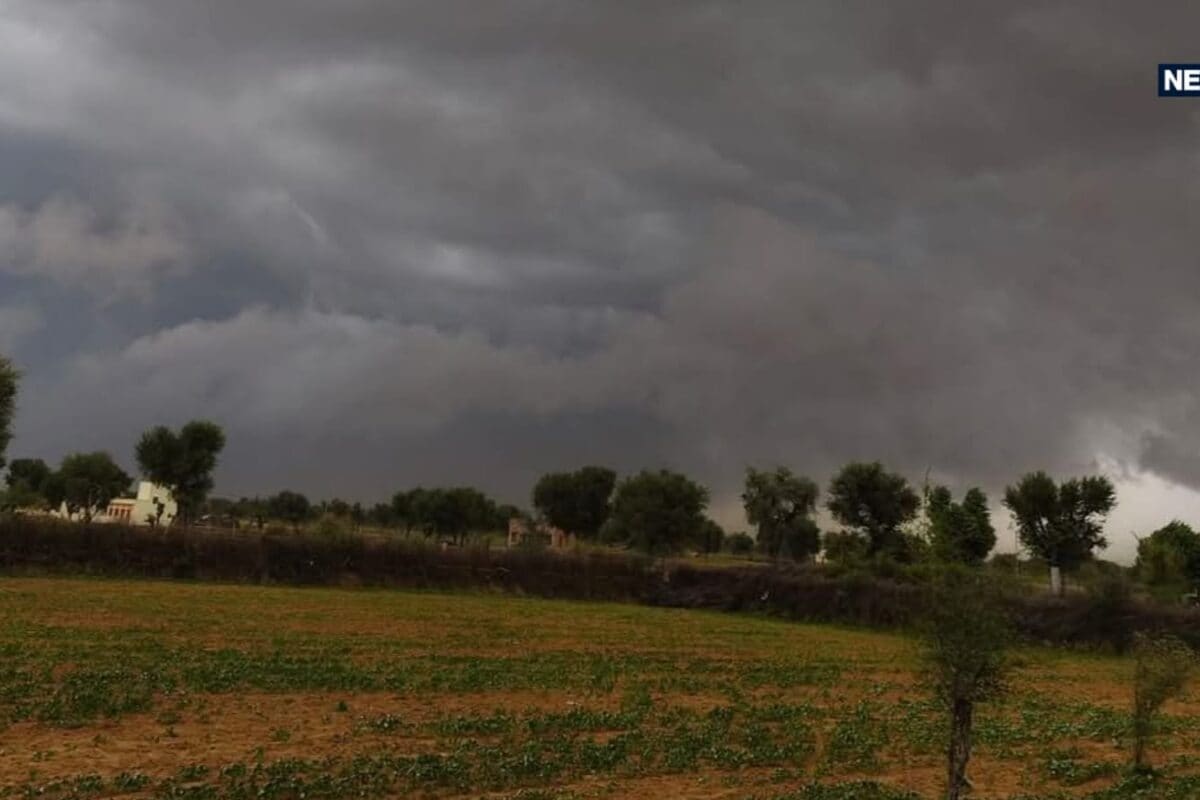
The Meteorological Center in Jaipur has released a comprehensive weather update indicating that the state of Rajasthan will continue to experience dry weather conditions and persistent heat on October 6. According to the meteorological data, both the eastern and western parts of the state will remain completely devoid of any immediate rainfall activity, with authorities issuing no weather warnings for any specific district. Residents across the region are grappling with unseasonal heat as temperatures stay significantly elevated.
Analyzing the historical and seasonal context, atmospheric conditions in October frequently witness transitional phases, but the current weather pattern reflects an unusual persistence of summer-like warmth. Meteorological experts note that daytime temperatures across the state are hovering significantly above normal ranges, creating a challenging environment for daily wage laborers, farmers, and outdoor workers who bear the brunt of the scorching afternoon sun.
Delving into the specific ground realities and empirical data recorded by weather stations, the maximum temperatures across the state are currently hovering 2 to 4 degrees Celsius above normal levels. Providing concrete evidence of this intense heat phase, Sri Ganganagar recorded the highest maximum temperature in the state, touching an uncomfortable 39.7 degrees Celsius, which has disrupted routine daily activities and increased power consumption for cooling appliances.
Local stakeholders, including agricultural communities, local traders, and commuters, have expressed widespread concern regarding the delayed onset of cooling seasonal conditions. Farmers preparing their fields for upcoming Rabi crop sowing operations are particularly anxious about the dry soil moisture levels, while urban residents are grappling with high humidity and heat stress during peak afternoon hours.
Looking at the broader regional impact, particularly concerning surrounding communities and the local economy, prolonged dry spells and elevated temperatures place an immense strain on water resources and energy grids. Agricultural planners in the region emphasize that timely rainfall and cooler temperatures are vital for soil conditioning and upcoming seasonal agricultural planning, making the forecasted weather shift critically important for the rural economy.
In response to the evolving weather patterns, administrative bodies and local disaster management divisions are closely monitoring meteorological advisories issued by the Jaipur center. Although no immediate emergency measures are required for October 6 due to the absence of severe weather warnings, authorities remain on high alert to issue timely advisories as the weather system evolves over the coming days.
Providing a forward outlook, the Meteorological Center in Jaipur has indicated a definitive shift in weather patterns starting from the night of October 6. Driven by the influence of an approaching Western Disturbance, regions including Sri Ganganagar, Hanumangarh, Churu, Bikaner, Sikar, and surrounding areas are anticipated to witness partly cloudy skies, strong gusty winds, and light rainfall on October 7 and October 8. Furthermore, between October 9 and October 11, thunder activity and rainfall coverage are projected to intensify across parts of northern, eastern, and western Rajasthan, finally breaking the prolonged dry spell.