
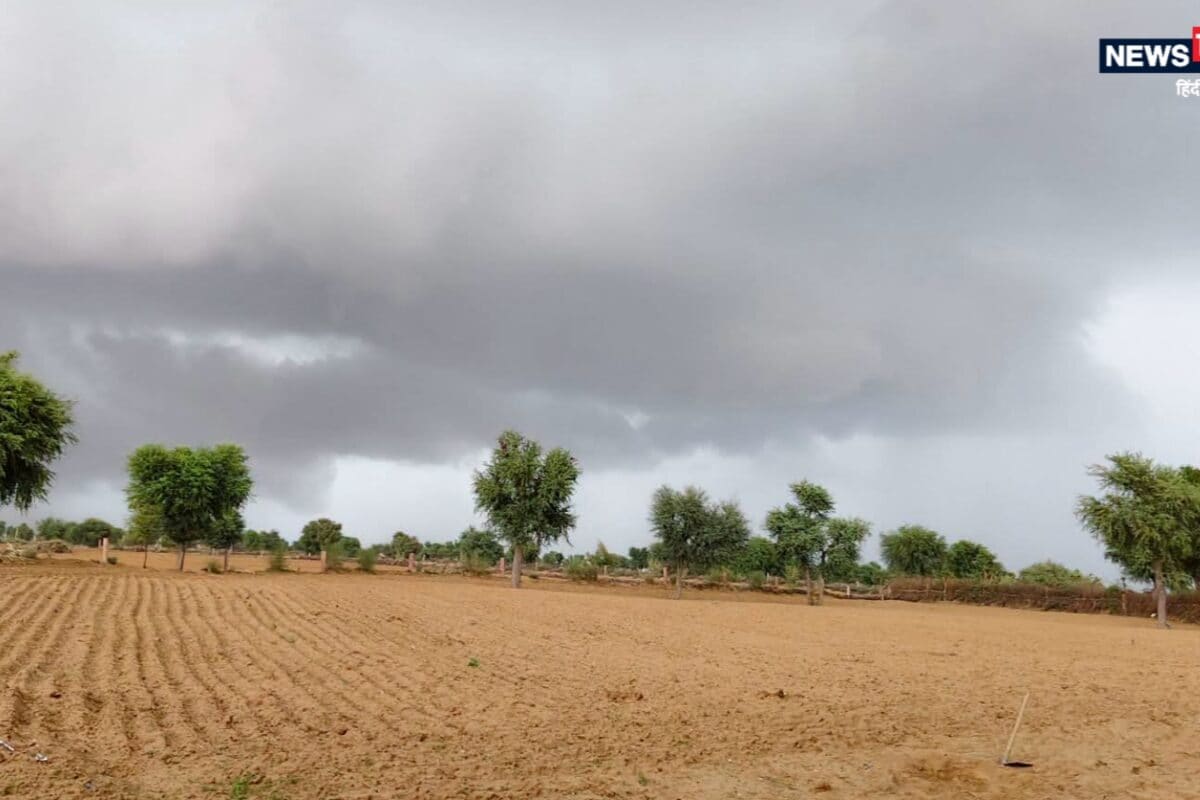
Rajasthan is currently experiencing a transition in its weather patterns as the active western disturbance, which brought rainfall to several parts of the state, begins to withdraw. According to the latest bulletins issued by the Meteorological Center Jaipur, atmospheric conditions are shifting toward stability, signaling a gradual cessation of widespread precipitation across most territorial divisions starting October 19.
The recent spells of unseasonal and seasonal rains were triggered by upper-air cyclonic circulations and western disturbances moving across the northern region of the country. Historical weather data for October indicates that transitional phases between the monsoon retreat and absolute winter often bring localized convective activity, creating fluctuating thermal profiles and intermittent cloud cover across northwestern India.
During the intense weather phase recorded over the past 24 hours, meteorological stations documented scattered light to moderate rainfall accompanied by thunder and lightning in select pockets of eastern Rajasthan. The highest precipitation volume was officially registered in Nagarfort within Tonk district, where rain gauges measured a significant accumulation of 23 millimeters, providing localized relief from dry conditions but prompting brief disruptions in agricultural routines.
Agricultural economists and local farming associations have expressed mixed reactions regarding the fluctuating precipitation patterns, noting that while late moisture can benefit certain standing crops, unexpected downpours during harvest stages create logistical challenges for grain storage. Meanwhile, urban merchants and traders in commercial hubs have reported steady foot traffic despite the overcast skies and dropping temperatures in eastern sectors.
Across the broader regional landscape, including the developing commercial zones surrounding Kotputli-Behror, local communities are closely monitoring meteorological advisories to safeguard regional supply chains and agricultural produce. District authorities have maintained regular communication with state disaster management cells to ensure preparedness against sudden atmospheric shifts and localized waterlogging during intense spells.
Administrative oversight remains vigilant, with local municipal bodies and district disaster management committees reviewing contingency plans to address any abrupt meteorological extremities. Officials have emphasized continuous coordination with the India Meteorological Department to disseminate timely alerts to rural and urban populations, thereby mitigating risks to public infrastructure and agricultural assets.
Looking ahead, the meteorological forecast indicates that while western Rajasthan will experience predominantly dry weather over the next 4 to 5 days, a new western disturbance is projected to become active on October 23 and 24, potentially affecting north-western districts. Residents, farmers, and administrative agencies are advised to stay updated with official bulletins as the state prepares for these upcoming atmospheric developments.
