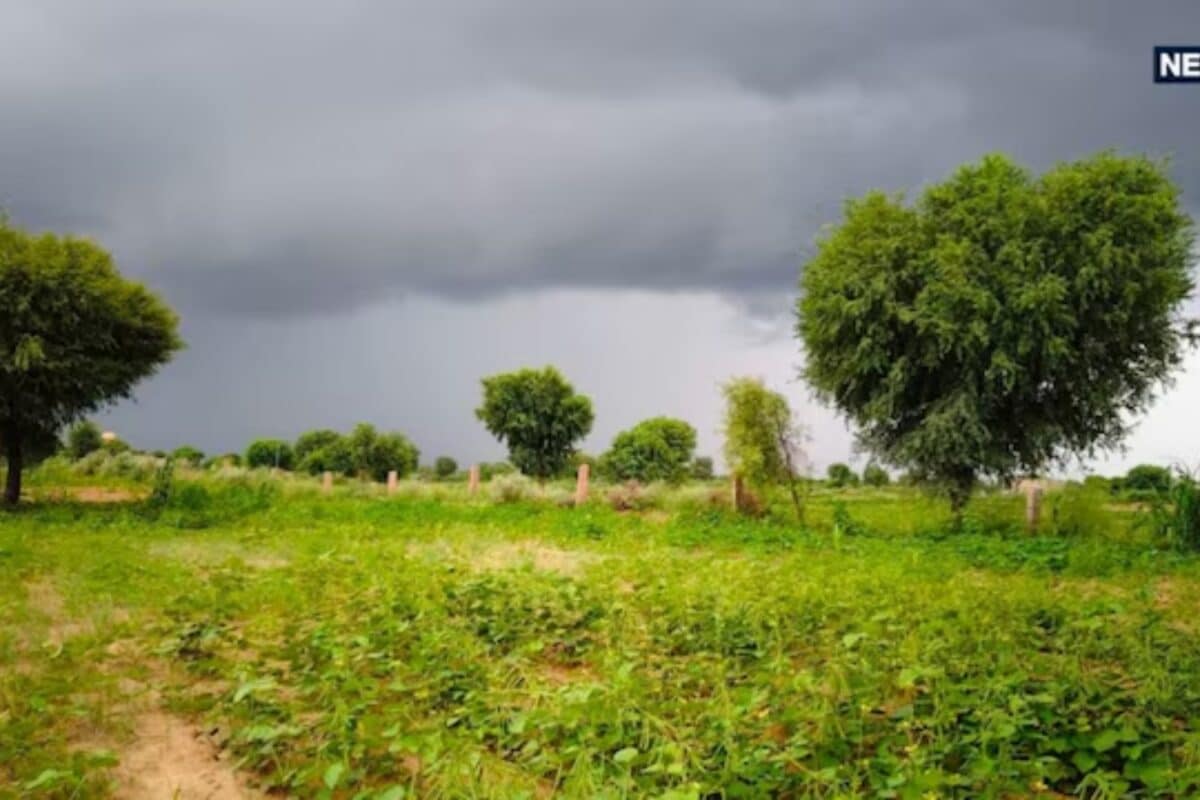
As per the latest updates released by the meteorological department regarding Rajasthan Kal, the state is poised to witness completely dry weather conditions on the 10th of October. Citizens across various districts will experience a continuation of dry spells, as authorities have confirmed that there are absolute zero possibilities of precipitation on this specific date. This atmospheric stability encompasses multiple major divisions of the state, ensuring clear skies but simultaneously contributing to an uncomfortable rise in ambient temperatures.
Analyzing the historical weather patterns and seasonal transitions within the region, this current phase represents a typical post-monsoonal lull where the withdrawal of moisture-laden winds leaves the geography exposed to uninterrupted solar radiation. The absence of cloud cover during daytime hours consistently traps heat, leading to sustained warm spells that often stretch longer than seasonal averages. Agricultural experts and environmental observers closely monitor these transitions, as they directly dictate the physiological stress on standing kharif crops and influence subterranean moisture retention across vast agrarian tracts.
Delving into the specifics of the recorded numbers and regional meteorological data, current temperature readings across the state are hovering two to four degrees above normal thresholds. This significant upward deviation means that residents will feel pronounced mild heat conditions throughout the day, altering daily routines and increasing power consumption as cooling appliances see higher utilization. While the weather remains benign in terms of severe meteorological hazards, the persistent warmth creates a distinct atmospheric stillness that blankets districts from urban centers to rural peripheries.
Local communities, market vendors, and commuters have expressed varied reactions to these prolonged warm spells, noting that daytime activities require extra precautions against sun exposure and dehydration. Transport operators and logistics personnel operating within major municipal junctions report that the clear skies ensure uninterrupted transit, yet the afternoon warmth demands adequate hydration provisions. Civic groups and local welfare associations emphasize the importance of public health advisories, urging vulnerable populations, including the elderly and young children, to remain cautious amidst the elevated temperature ranges.
Focusing on the specific regional impact across administrative divisions, areas including Jaipur, Bharatpur, Kota, Ajmer, and Udaipur are officially designated as completely dry for the 10th of October. The administrative machinery and municipal bodies within these divisions have reviewed standard summer-like management protocols to address any localized grievances regarding drinking water availability and public utility maintenance. Local businesses dealing in seasonal commodities continue to navigate the extended warm period, adapting their commercial operations to match the steady consumer footfall dictated by clear weather patterns.
Looking ahead into the official timeline provided by meteorological authorities, a notable atmospheric shift is scheduled to commence starting from the 11th of October. Forecast models indicate that the Bikaner and Jodhpur divisions are expected to experience light rainfall activities as a new system develops over the western peripheries of the state. This upcoming meteorological change promises to bring much-needed relief from the prevailing warmth, potentially lowering temperatures and introducing a refreshing change in atmospheric humidity for the residents residing in those western sectors.
In conclusion, while the immediate 24-hour window on the 10th of October remains locked in a dry and warmer-than-average pattern with temperatures staying two to four degrees above normal, the broader medium-term outlook points toward an active weather transition by the following day. Public authorities continue to issue timely updates to keep citizens informed, ensuring that agricultural planners and daily commuters can adjust their schedules seamlessly in response to the evolving climatic conditions across the region.