
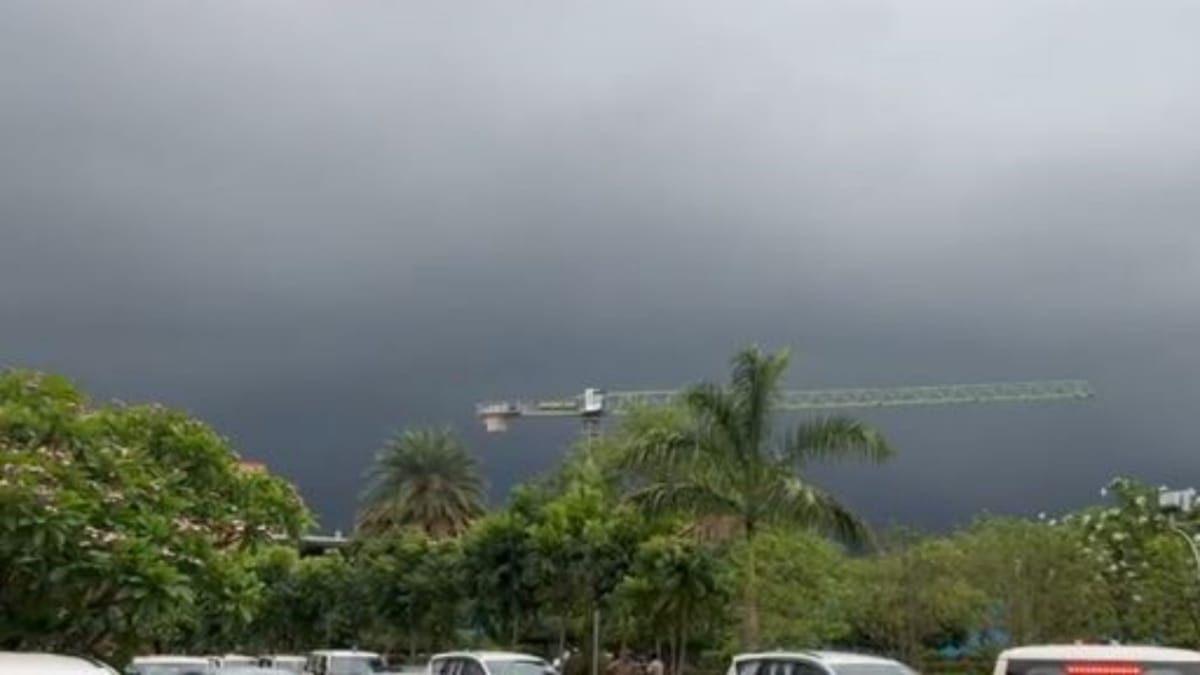
Rajasthan is currently experiencing a peculiar atmospheric condition marked by an unusual coexistence of rainfall, hailstorms, and prevailing hot weather across multiple districts. This sudden shift in climatic patterns has emerged as a significant talking point among residents and environmental observers alike, particularly because it coincides with the anticipated conclusion of the monsoon season. The erratic nature of these weather events highlights the evolving complexities of regional meteorological cycles.
Historically, the transition phase between the peak monsoon period and the onset of autumn is characterized by gradual atmospheric stabilization and declining precipitation levels. However, the current meteorological scenario in Rajasthan defies conventional seasonal expectations, creating a transitional window defined by sharp contrasts. Meteorological experts attribute these anomalies to localized atmospheric disturbances and shifting wind patterns that frequently trigger sudden precipitation even during the withdrawal phase.
On the ground, this strange blend of heat and sudden downpours, accompanied by isolated incidents of hailstorms, has introduced notable logistical challenges for daily life and regional activities. While specific quantitative metrics regarding rainfall distribution vary across different territories within Rajasthan, the overarching impact remains visible in fluctuating daily temperatures and sudden downpours. Citizens navigating these shifting climatic conditions report experiencing heightened humidity alongside unexpected spells of heavy rain.
Local communities, traders, and agricultural participants have expressed mixed reactions regarding this abrupt turnaround in weather patterns. Agricultural observers note that unseasonal precipitation and hailstorms during the withdrawal phase often demand heightened vigilance to safeguard harvested or standing produce. Meanwhile, common citizens dealing with the oppressive heat followed by torrential downpours have had to adapt rapidly to the unpredictable daily forecasts issued by weather monitoring agencies.
Within specific regional pockets, including areas spanning the expansive geography of Rajasthan, the localized effects of these weather dynamics are distinctly felt. The interplay between intense daytime heat and sudden, sharp spells of rain creates microclimatic conditions that influence local routines, commerce, and mobility. Small business owners and daily commuters frequently find their schedules disrupted by the sudden arrival of heavy clouds and precipitation.
In response to these volatile weather patterns, administrative bodies and local disaster management cells maintain an observant stance to address any sudden exigencies. While no major catastrophic emergencies have been officially recorded, municipal and regional authorities continuously review weather updates to ensure preparedness. Public advisories are periodically issued to remind residents and travelers to remain cautious while navigating routes prone to waterlogging or reduced visibility during heavy showers.
Looking ahead, meteorologists indicate that the region is on the brink of a definitive transition as the monsoon moves closer to its complete withdrawal from Rajasthan. The coming days are expected to bring more clarity regarding the final departure of rain-bearing systems and the subsequent onset of clearer, cooler autumn weather. Until then, public expectations remain centered on stable forecasts, with communities preparing to adapt to whatever final atmospheric shifts the departing monsoon delivers.