
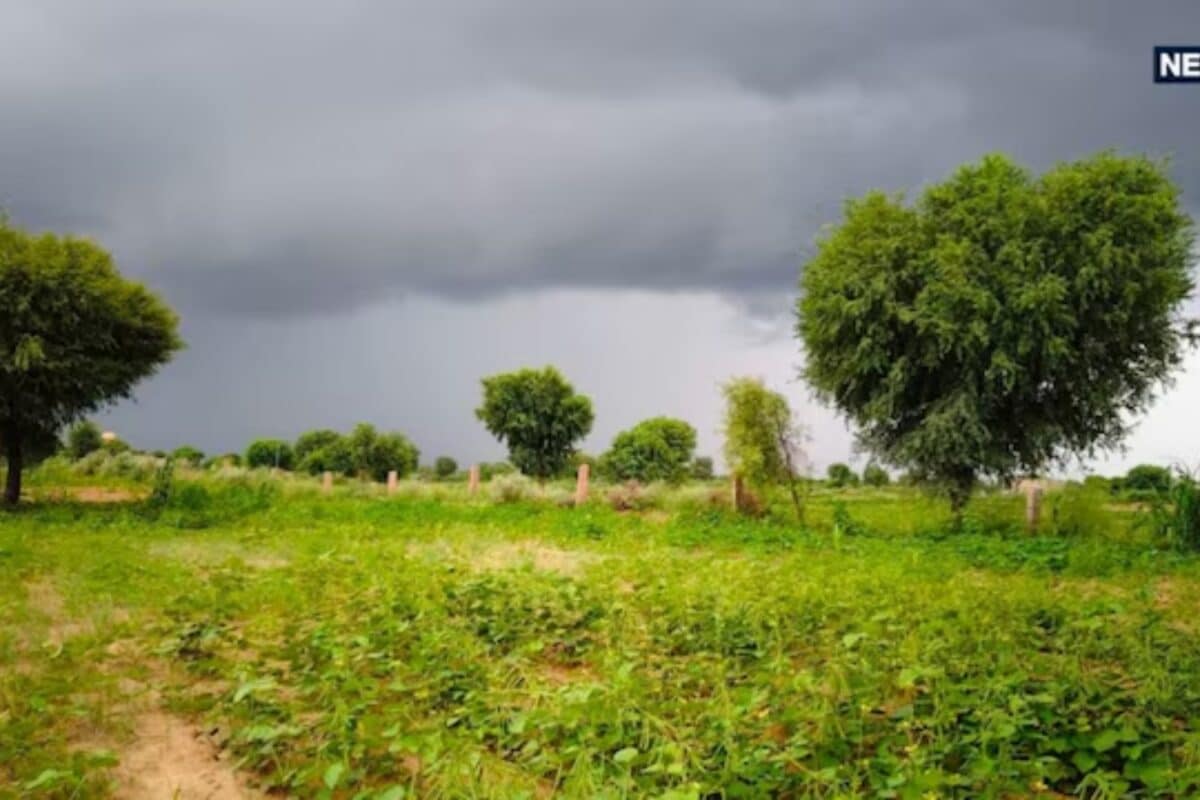
The Meteorological Department has released its comprehensive weather outlook for Rajasthan, predicting a mixed pattern of atmospheric conditions across the state on September 18. According to official meteorological data, citizens can anticipate varying weather manifestations, marked primarily by light to moderate atmospheric moisture and favorable cloud formations in multiple regions. This climatic shift is expected to influence daily activities and agricultural planning across both eastern and western administrative divisions, maintaining a watchful eye from local communities and administrative bodies alike.
Analyzing the historical context of late-monsoon patterns in the region, transitional weather phases often bring localized precipitation driven by shifting wind trajectories and humidity levels. September typically records fluctuating climatic indicators across Rajasthan, where eastern sectors generally receive higher moisture influx compared to arid western tracts. The current meteorological models reflect these seasonal transitions, ensuring that regional ecosystems receive necessary moisture updates without triggering severe atmospheric disturbances or extreme weather anomalies.
Delving into the geographical distribution of the predicted rainfall, the detailed forecast highlights that eastern Rajasthan will experience notable weather changes. Specifically, the divisions of Bharatpur, Kota, Udaipur, Jaipur, and Ajmer are projected to witness scattered rainfall in isolated pockets. Simultaneously, western Rajasthan will not remain entirely untouched; localized showers are anticipated in select areas within the Bikaner and Jodhpur divisions, indicating a relatively widespread yet moderate atmospheric influence spanning multiple districts.
Stakeholders, including local agricultural committees, local traders, and everyday citizens, have expressed cautious optimism regarding these weather developments. Agricultural experts note that even scattered precipitation can provide beneficial moisture for standing seasonal crops, while urban planners monitor potential logistical adjustments in metropolitan and semi-urban pockets. Community leaders emphasize the importance of staying informed through official bulletins, ensuring that daily routines remain uninterrupted while appreciating the natural cooling effects brought by the clouds.
Examining the specific regional impact on the Kotputli-Behror district and its surrounding areas, local residents are observing the evolving sky conditions with keen interest. The interplay of regional wind patterns often influences local microclimates, affecting local commerce, transportation schedules, and daily community engagements. As a vital transit and agricultural hub, the region stands to benefit from favorable weather conditions that support local productivity without causing infrastructural disruptions or waterlogging concerns.
From an administrative perspective, district authorities and disaster management cells maintain a proactive stance, continuously reviewing weather updates issued by the Meteorological Department. Official measures remain focused on routine monitoring and public dissemination of verified information, ensuring that municipal services, healthcare units, and transport networks are prepared for any minor logistical adjustments necessitated by localized showers. The absence of severe weather warnings reflects a stable administrative environment where standard operational protocols suffice.
Looking toward the forward outlook and upcoming procedures, the Meteorological Department continues to track atmospheric pressures and cloud cover dynamics across Rajasthan. Citizens and regional entities are advised to follow official updates regularly as the state transitions further into the post-monsoon phase. Public expectations remain centered on a peaceful, moderately wet day that supports agricultural growth while maintaining normalcy across all forty-one districts under the current green warning status.