
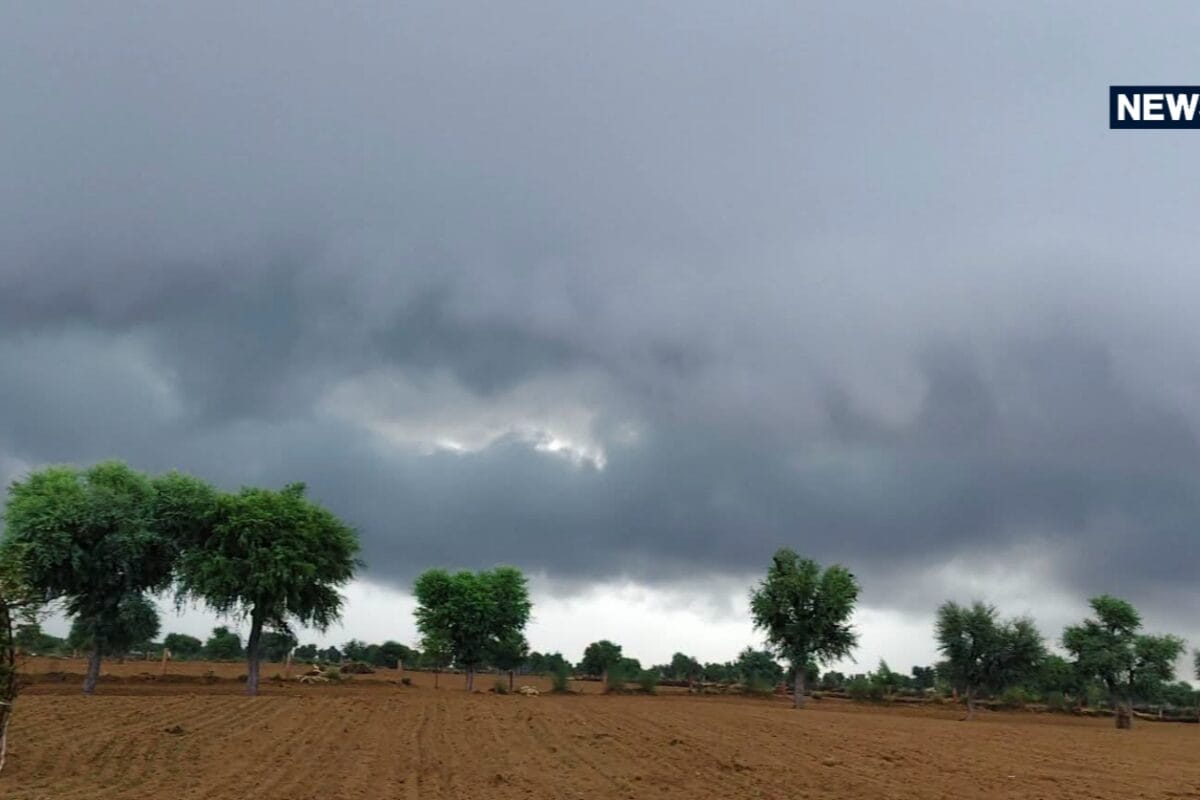
The meteorological landscape of Rajasthan witnessed a notable shift on October 20, as the India Meteorological Department forecasted mixed weather conditions characterized by active atmospheric disturbances across multiple regions of the state. The evolving weather patterns have brought immediate focus to agricultural safety, public preparedness, and administrative readiness as intermittent rainfall and thunderstorms loom over several administrative divisions.
Reviewing the historical weather trends for mid-October, the region typically transitions towards cooler autumn climates, yet occasional western disturbances frequently trigger unseasonal rainfall and rapid atmospheric adjustments. These meteorological shifts are driven by interacting air masses originating from surrounding regions, significantly impacting daily temperatures and humidity levels across both eastern and western halves of the state.
According to ground reports and observational data compiled over the past 24 hours, precipitation levels varied significantly, with Karoli district registering the highest rainfall of 28 millimeters specifically in Sapotra. Concurrently, Barmer recorded the state's highest maximum temperature reaching an intense 38.9 degrees Celsius, highlighting a sharp contrast between dry western territories and wet eastern pockets.
Agricultural communities, traders, and local stakeholders have expressed heightened concern regarding the safety of standing crops and harvested grains currently exposed in open yards. With warnings issued for vulnerable farming belts, community leaders emphasize the urgent need for timely protective measures to prevent extensive financial losses and post-harvest damages.
Regional micro-climates across adjacent areas, including the wider Kotputli-Behror district zone, continue to monitor these atmospheric fluctuations closely as peripheral wind currents and cloud formations influence local trading and agricultural logistics. The regional economy remains closely tied to stable weather conditions, making these meteorological advisories critical for local commerce and rural livelihoods.
In response to the recurring weather alerts, local administrative bodies and agricultural extension departments have intensified their outreach, disseminating safety guidelines to rural populations and farming cooperatives. Officials continue to coordinate closely with meteorological monitoring stations to ensure rapid dissemination of critical updates and advisory protocols.
Looking ahead, meteorological models indicate that another western disturbance is anticipated around October 22 and October 23, potentially introducing fresh weather modifications. Furthermore, isolated light rainfall accompanied by thunderstorms is projected for the Bikaner division and surrounding areas by October 24, requiring sustained vigilance from residents and agricultural sectors alike.
