
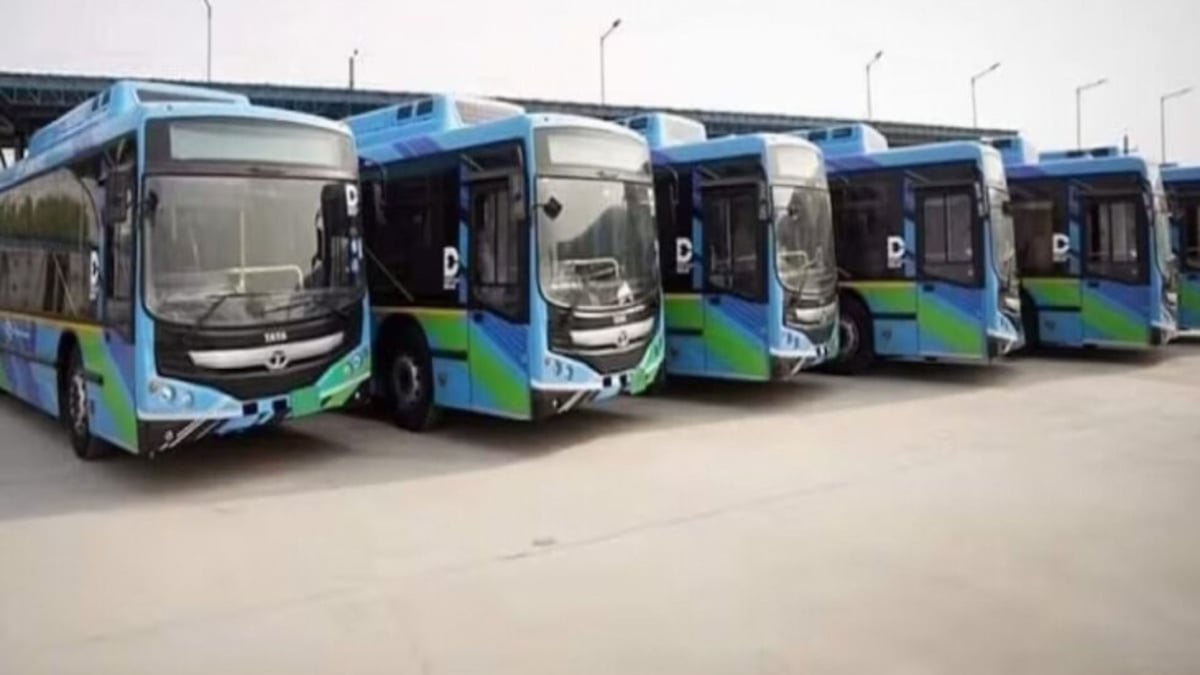
In a major infrastructural advancement aimed at transforming public transportation and curbing urban pollution, authorities have announced that a total of 1,150 electric buses will soon operate across the roads of Rajasthan. This ambitious environmental and transit initiative seeks to modernise commute systems, reduce carbon footprints, and provide reliable, eco-friendly mobility options to everyday commuters throughout the region.
The conceptualisation of this extensive e-bus deployment stems from long-term governmental policies designed to upgrade aging municipal transit frameworks. Over recent years, growing urban density and rising vehicular emissions prompted transit planners to seek sustainable alternatives that can meet the escalating transportation demands of rapidly expanding cities without exacerbating environmental degradation.
As part of the logistical rollout, allocations have been meticulously distributed based on urban density and commuter footfall. Under this structured distribution framework, Jaipur has been designated to receive the highest share, amounting to 450 electric buses, to alleviate severe traffic congestion and improve inner-city connectivity. Furthermore, demonstrating rapid progress on the ground, transport officials verified that an initial consignment of 229 buses has already arrived at designated depots.
Urban planners, municipal authorities, and commuter advocacy groups have expressed optimistic views regarding the integration of these modern vehicles. Stakeholders note that the transition to electric mobility will not only modernize the municipal fleet but also drastically improve air quality standards across major urban centres, fulfilling long-awaited demands for cleaner public transport.
Beyond the metropolitan boundaries, the broader regional impact of this transport revolution is expected to extend toward developing districts, improving feeder connectivity, and encouraging sustainable regional mobility. Communities anticipating enhanced connectivity view this development as a positive step toward bridging urban and semi-urban transit disparities.
Administrative oversight remains stringent as local transport authorities coordinate infrastructure preparations, including the installation of dedicated charging stations and maintenance depots. Officials are actively ensuring that all statutory guidelines and safety compliances are rigorously met before the full commercial operation of the newly arrived vehicles commences.
Looking ahead, authorities have outlined a phased operational timeline to integrate the remaining vehicles into active service. With 229 buses already arrived and subsequent batches expected in due course, public expectations remain high for a smoother, cleaner, and more efficient public transportation experience across the state.