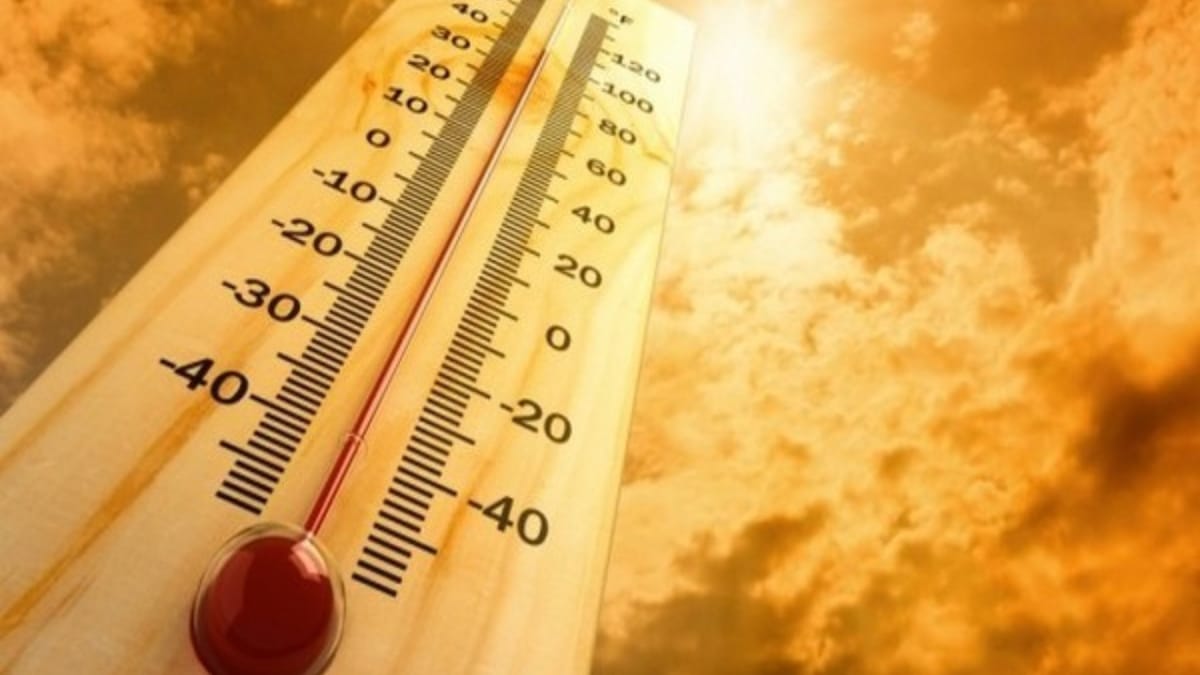
The state of Rajasthan is currently witnessing a sharp and pronounced escalation in ambient temperatures following the systematic withdrawal of the monsoon season. The transition from the wet monsoon phase to post-monsoon conditions has brought about a swift transformation in regional weather patterns, leaving citizens grappling with oppressive heat across various parts of the state.
Historically, the departure of the monsoon brings a gradual transition into cooler autumn months; however, atmospheric stability and prevailing dry winds have combined to accelerate heating processes. Meteorological observations indicate that the absence of cloud cover and direct solar radiation are primary contributors to the rapid warming observed in recent daily weather logs.
Ground-level meteorological reports substantiate these weather shifts, with multiple districts across Rajasthan officially recording daytime maximum temperatures surpassing the significant benchmark of 40 degrees Celsius. This sudden escalation in heat has altered daily routines, affecting daily wage laborers, commuters, and outdoor workers who must navigate challenging meteorological conditions.
Local communities, merchants, and regional observers have expressed concern over the unseasonal intensity of the heat during this transitional period. Agricultural analysts note that while the monsoon has concluded, the elevated temperatures require careful monitoring to manage soil moisture levels for subsequent seasonal planning and crop preparation.
In the Kotputli region and surrounding areas of Rajasthan, the rise in temperature has directly impacted local commerce, traffic patterns, and community life. Residents have adapted to the heatwave conditions by modifying active hours, while local markets observe a temporary slowdown in afternoon foot traffic as people seek refuge from the persistent sunshine.
Administrative bodies and local governance institutions are closely monitoring the weather developments to ensure public health and safety protocols remain uncompromised. While no emergency advisories have been necessitated thus far, local authorities continue to assess the evolving climatic situation to address any community needs arising from the sustained high temperatures.
Looking ahead, weather monitoring agencies anticipate that these warm conditions will persist in the immediate future until a broader shift in wind direction or western disturbances alters the regional atmospheric profile. Public health officials advise residents to take precautionary measures against dehydration and heat exposure as the region navigates this intense post-monsoon weather phase.