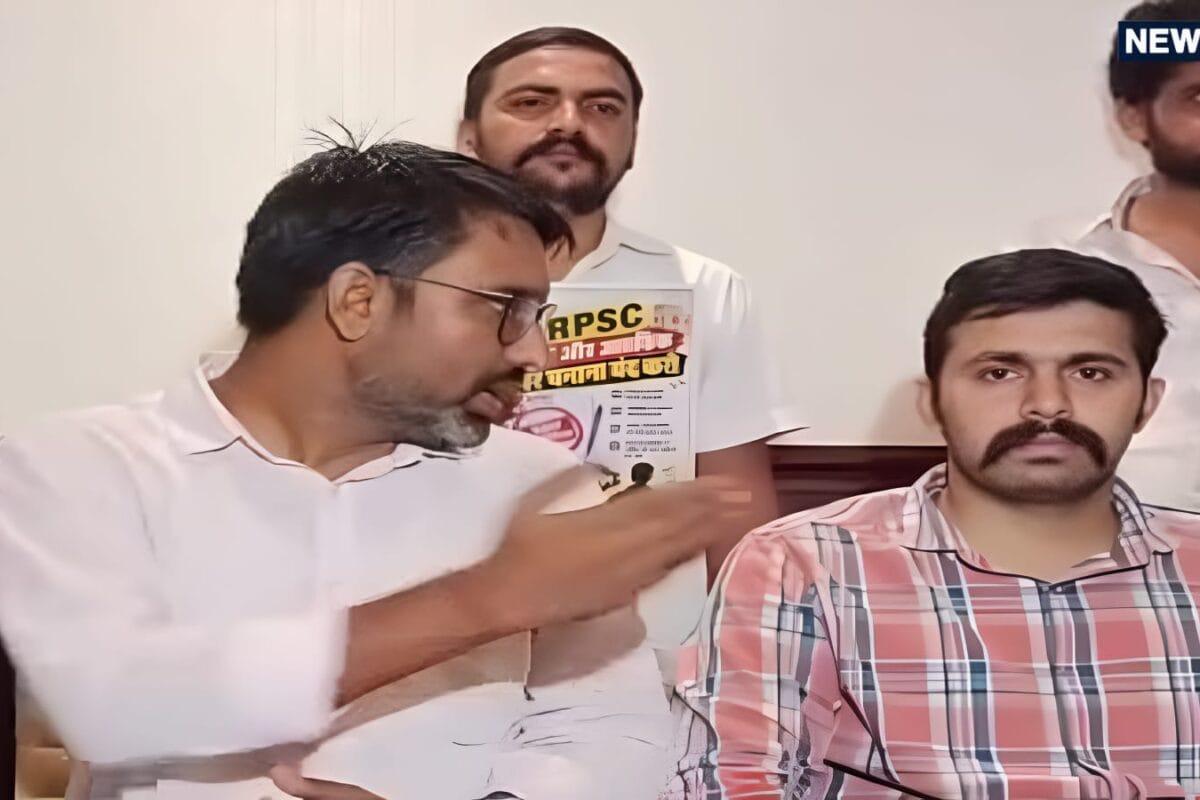
The widespread resentment among candidates who appeared for the Sub-Inspector recruitment examination has transformed into a formal and intense state-level agitation. Aspirants across Rajasthan have expressed deep anger regarding the question paper administered during the examination held on September 20, asserting that the pattern deviated significantly from established trends. The mounting dissatisfaction has now reached a critical juncture, prompting youth organizations and aggrieved candidates to organize collective resistance against the current recruitment framework.
The controversy stems from the structural design and unprecedented complexity of the question paper that candidates encountered in the examination hall. According to the grievances compiled by the aspirants, the questions were framed in a manner that defied the traditional syllabus boundaries and expected preparation benchmarks. This sudden deviation left thousands of sincere candidates grappling with unexpected hurdles, effectively disrupting years of rigorous preparation invested by ambitious young aspirants seeking public service careers in the state administration.
A core grievance highlighted by the candidates centers around the strict time constraints imposed during the test. Aspirants have repeatedly emphasized that attempting and successfully answering the complex questions within the stipulated two hours was practically impossible for any candidate under standard examination conditions. This severe logistical and time discrepancy has raised serious questions regarding the feasibility and fairness of the evaluation process implemented by the examination authorities.
As the agitation gains momentum, representatives of the candidate groups have announced a definitive plan to stage a massive peaceful protest at the historic Shaheed Smarak in Jaipur on September 29. Organizers report that thousands of young aspirants from various districts across the state are expected to converge at the capital to press for their demands. The collective voice of the protesters underscores a profound lack of trust in the current administrative mechanism governing competitive examinations.
The resonance of this controversy extends profoundly into regional areas, including the Kotputli-Behror district and surrounding rural economies where numerous young aspirants reside and prepare for competitive examinations. Families in these local communities have invested significant financial resources and emotional dedication into supporting their children's civil service ambitions. Consequently, any setback in state-level recruitment processes directly impacts the socio-economic aspirations and future stability of households throughout the region.
In response to the escalating crisis, the protesting candidates have outlined a comprehensive charter of demands directed toward the authorities. Their primary appeals include the immediate cancellation of the contentious test and the execution of a complete re-examination under revised guidelines. Furthermore, the aspirants have strongly demanded a rigorous, independent expert review of the paper pattern by experienced academics to ensure future transparency.
Looking forward, the upcoming demonstration scheduled for September 29 at Jaipur serves as a crucial milestone for the movement. Alongside the demand for a re-test, candidates have formally called for the inclusion of experienced subject experts and veteran educationists within key bodies such as the Rajasthan Public Service Commission and the Employee Selection Board. The ultimate resolution of this crisis now depends heavily on how the administrative machinery responds to the unified demands of the state's educated youth.