
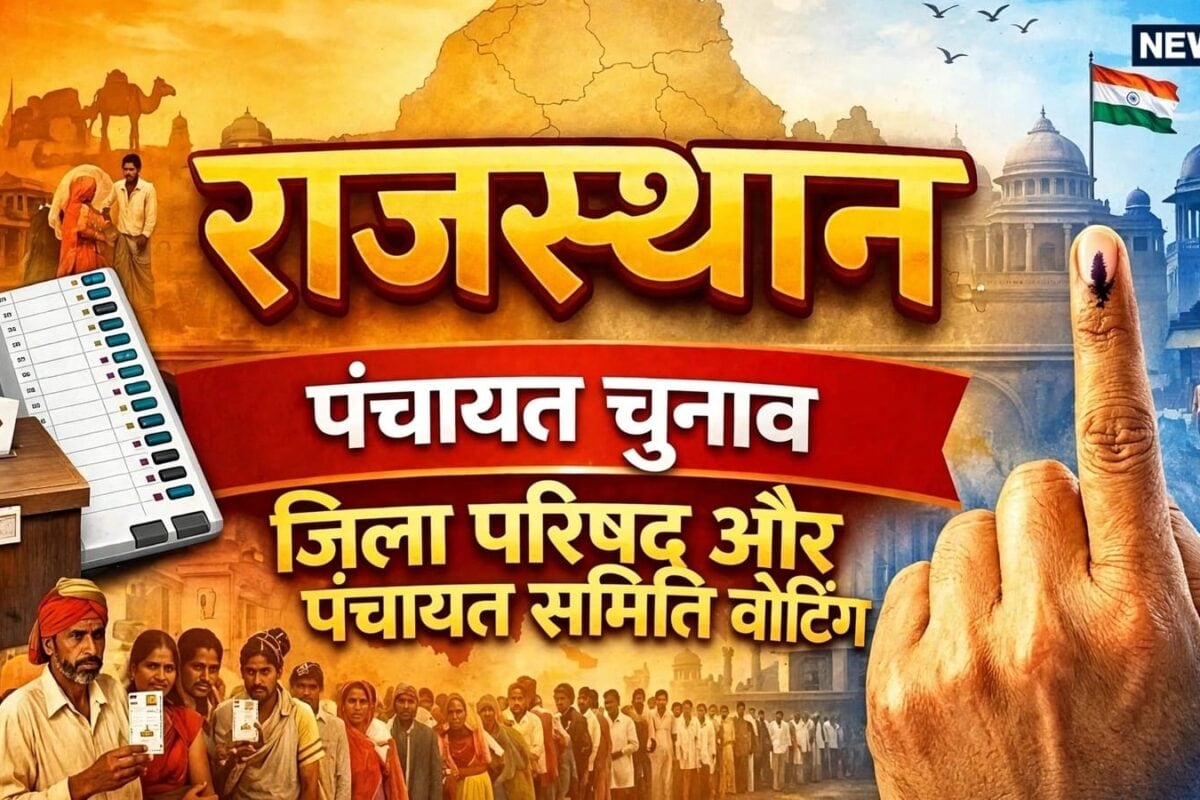
Rajasthan witnessed the official commencement of polling for the first phase of the crucial Panchayat elections on October 22, covering 16 districts across the state. The administrative machinery has deployed extensive security and logistical measures to ensure peaceful and transparent voting for the district council and Panchayat committee member posts.
Historical context reveals that rural local body elections in Rajasthan hold immense significance, serving as the grassroots barometer for the state's political landscape. Political parties meticulously plan their strategies months in advance to secure dominance over local governance structures, which directly influence broader assembly and parliamentary electoral outcomes.
Focusing specifically on the metropolitan expanse of Jaipur, the electoral arena spans 8 Panchayat committees encompassing 146 wards alongside 22 district council wards. To facilitate this massive democratic exercise, authorities have established 797 designated polling stations where a staggering 7,43,640 eligible voters are expected to exercise their franchise.
Democratic participation, however, faced immediate local grievances as demonstrated in Napawas village of Pali district, where residents staged a total boycott of the elections. The primary catalyst for this protest was the controversial restructuring and shifting of ward boundaries, which villagers argued disenfranchised their traditional community representation and administrative convenience.
Beyond the immediate administrative disputes, the electoral contest acts as a critical crucible for rural economic development and infrastructure allocation. Local bodies command significant budgetary resources for village-level works, making the electoral outcomes vital for regional prosperity and public welfare implementation.
The district administration and election observers have maintained constant vigil, deploying senior officials to address localized grievances and persuade protesting villagers to participate in the democratic process. Despite the boycott in Pali, polling operations across the remaining designated centers continue under strict supervision.
Looking ahead, voting procedures are scheduled to proceed continuously via Electronic Voting Machines until the designated closing hour, with subsequent collation of results anticipated to redefine rural political equations. Public expectations remain centered on equitable development and transparent governance as political heavyweights await the final mandate.
