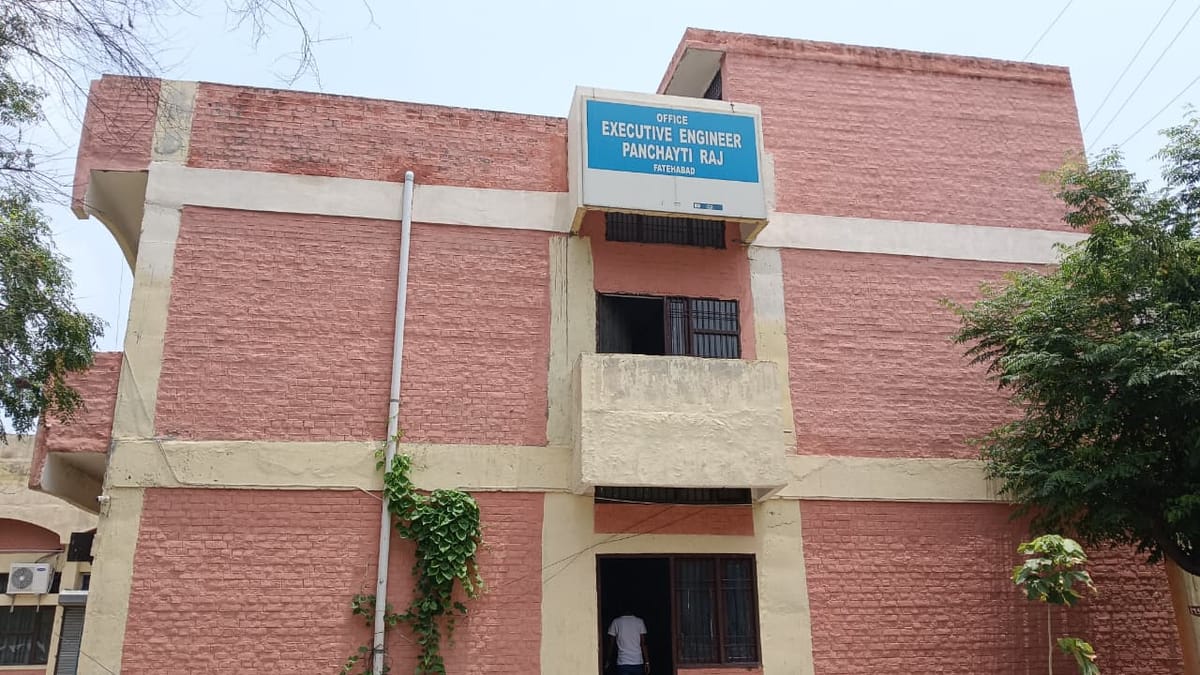
In a crucial administrative directive concerning the upcoming grassroots democratic exercise in Rajasthan, the state election authorities have mandated that all outgoing Sarpanches must formally and unequivocally relinquish their administrator posts before submitting their nomination papers. This decisive regulatory enforcement is designed to uphold the utmost standards of transparency, fairness, and neutrality throughout the entire electoral cycle across rural jurisdictions in the region.
The historical backdrop of rural governance in Rajasthan reveals persistent challenges regarding the blurring of lines between administrative tenures and active political campaigns. In previous election cycles, concerns were repeatedly raised by contesting candidates and local observers regarding the potential misuse of official administrative clout by incumbent representatives who continued to hold executive charge until the very last moment.
Examining the ground realities of the administrative stakes involved, the transition of executive power from outgoing Sarpanches to designated neutral custodians is vital for ensuring unhindered and unbiased local governance. While specific local statistics on exact numbers of resigning incumbents vary by district, the operational mandate applies universally across every participating village panchayat within the territorial boundaries of Rajasthan.
Local stakeholders, including prospective candidates, village residents, and community leaders, have expressed varied perspectives regarding this mandatory relinquishment. Many community representatives argue that vacating the administrator chair well in advance prevents any undue influence over local development works, welfare scheme disbursements, and community resource allocations during the sensitive pre-poll window.
Focusing on the regional implications for areas like Kotputli and surrounding districts, the enforcement of this rule directly impacts the day-to-day administrative machinery of local bodies. Village development officers and junior administrators are stepping up to bridge the temporary administrative vacuum left by departing Sarpanches, ensuring that essential public services and rural infrastructure projects do not face prolonged stagnation.
Administrative departments and district electoral offices have instituted stringent oversight mechanisms to monitor compliance with this nomination prerequisite. Clear procedural guidelines have been circulated to all block development offices, instructing election returning officers to meticulously verify that every candidate coming from an incumbent background has completed all formal de-notification formalities before their nomination papers are accepted.
Looking ahead toward the unfolding electoral timeline, the strict adherence to this administrative precondition marks a significant step toward reinforcing democratic credibility in rural Rajasthan. As prospective candidates finalize their political strategies and gear up for the intensive campaign trail, the complete detachment from administrative authority guarantees that the voice of the rural electorate remains uncompromised.