
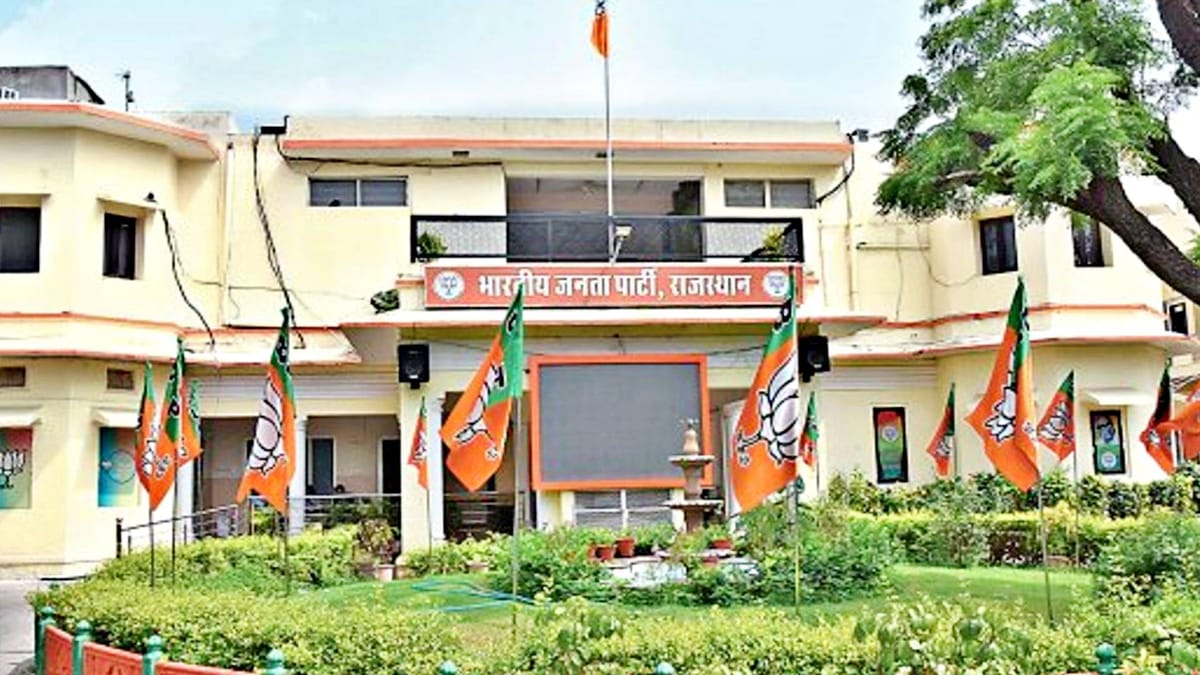
In a strategic political move ahead of the upcoming local body polls, the Bharatiya Janata Party has formally assigned senior ministers, parliamentarians, legislators, and prominent regional heavyweights to oversee the district-wise execution of the panchayat elections across Rajasthan. This meticulous distribution of responsibilities marks a decisive turn in the ruling party's electoral machinery, aiming to streamline grassroots mobilization and secure dominant control over local administrative bodies.
Historically, panchayat elections in Rajasthan have served as a critical barometer of public sentiment and rural political alignment between state-level legislative cycles. The origins of this high-stakes electoral engagement lie in the necessity to consolidate party influence at the grassroots, ensuring seamless implementation of developmental schemes from the state capital down to the village level. Party high command recognizes that winning rural local bodies lays a robust foundation for broader political hegemony.
The current operational framework demands intensive coordination among party functionaries at the district level. While the raw operational details do not specify exact monetary figures, the logistical scope involves managing thousands of polling booths, mobilizing party workers, and navigating complex socio-political terrains across every administrative district of Rajasthan. The primary objective remains securing the crucial seats of Zila Pramukh and Pradhan, which wield immense authority over local resource distribution and rural development budgets.
Stakeholders, local political observers, and party workers have expressed varied perspectives regarding this top-down leadership deployment. Grassroots workers believe that direct oversight by senior dignitaries will inject necessary momentum into local campaigns and resolve internal factionalism swiftly. Meanwhile, independent analysts note that placing the responsibility on central and state-level leaders raises the political stakes significantly, meaning any localized electoral setback will reflect directly on the performance of these assigned heavyweights.
The regional impact of this high-level political mobilization will reverberate deeply across rural districts, including regions like Kotputli-Behror. Local communities and rural residents depend heavily on the efficient functioning of panchayati raj institutions for infrastructure development, water management, and welfare distribution. Consequently, the leadership choices made by the political parties directly influence the pace and quality of regional progress and public service delivery.
On the administrative front, district election authorities and civil servants are gearing up to ensure free, fair, and transparent electoral proceedings. Statutory oversight protocols are being rigorously implemented by election commissioners to maintain the sanctity of the voting process. Security arrangements, deployment of polling personnel, and adherence to model code of conduct guidelines remain paramount priorities for the district administration during this intense electoral phase.
Looking toward the future, the coming weeks will witness heightened political campaigning and intense negotiations as these veteran leaders finalize candidate selections and alliance strategies. The ultimate success of this strategy will be measured when the results are tallied and the new Zila Pramukhs and Pradhans take oath. Public expectations remain high for transparent governance and accelerated rural development as Rajasthan embarks on this crucial democratic exercise.
