
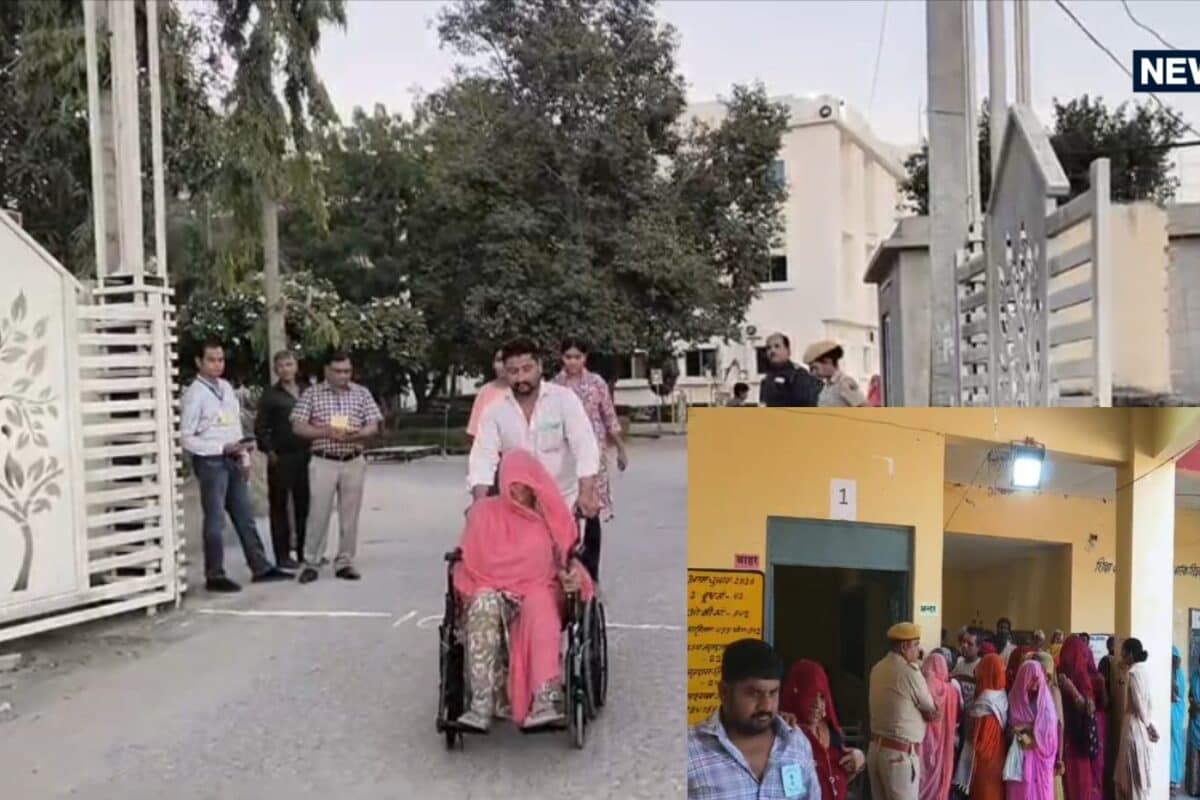
The first phase of the Rajasthan Panchayat Elections 2026 for selecting rural local governance recorded an overall voter turnout of approximately 63 percent. Across 16 districts of the state, the collective average voting percentage for district council and panchayat committee members stood at exactly 62.90 percent. This turnout indicates a notable contrast in civic engagement between rural settlements and major urban centres.
When compared to recent democratic exercises, this rural participation rate lagged substantially behind the 76.41 percent turnout witnessed during the first phase of urban body elections. Political analysts and election observers have historically noted fluctuations in rural versus urban voter enthusiasm, yet the double-digit percentage gap in this election cycle has drawn significant attention from election officials.
At the district level, voting patterns varied widely across the 16 participating regions. Bikaner registered the highest voter enthusiasm in the state with an impressive 71.42 percent turnout. Conversely, Pali recorded the lowest district-level participation, managing an overall turnout of only 48.27 percent as voters remained largely indoors.
Drilling down to the panchayat committee level reveals even sharper extremes in civic participation. In Barmer, the polling booth at Mangta witnessed a massive surge with 79.55 percent of voters casting their ballots. On the other end of the spectrum, the Rani Station area in Pali district languished at the bottom with a dismal 40.02 percent voter turnout.
The electoral process was not entirely without friction, as various localized issues hampered smooth voting across several polling booths. In some specific villages, local residents staged formal protests and boycotted the elections entirely, citing grievances regarding panchayat restructuring and increased travel distances to designated polling stations.
Administrative machinery also faced minor hurdles on election day, notably in Ayana village, where electronic voting machine malfunctions brought the voting process to a complete halt for one hour before technical teams resolved the issue and resumed polling.
With the conclusion of the initial phase of district council and panchayat committee voting, the state election machinery is now preparing for the next phase. The upcoming electoral activities will focus on village panchayats, where prospective candidates for sarpanch and ward panch positions will formally submit their nomination papers.
