
Political tensions have escalated sharply across several municipal bodies in Rajasthan ahead of the crucial board formation process, marked by widespread controversies surrounding the herding of councilors and intense political maneuvering. The unfolding situation has transformed routine local governance elections into high-stakes political battles characterized by allegations of abduction, threats, and coercion. As various political factions scramble to secure a numerical majority to capture civic power, the fundamental principles of democratic representation and fair electoral practices have been severely undermined across the affected regions.
The current crisis originates from the fiercely contested municipal elections where exact numerical majorities dictate the control of urban local bodies. Historically, board formations in Rajasthan frequently witness tactical movements of elected representatives to prevent cross-voting and poaching by rival political factions. However, the current cycle has transcended traditional political strategy, evolving into direct confrontations involving law enforcement, missing persons reports, and serious criminal intimidation complaints lodged by councilors and their families across multiple districts.
At the center of the political storm are severe accusations leveled by the Congress party against the rival Bharatiya Janata Party. Congress leadership asserts that its elected councilors are being systematically targeted through direct pressure, intimidation tactics, and financial inducements to force them into voting for BJP candidates during the upcoming board elections. These allegations have painted a grim picture of systemic corruption and intimidation within the local political ecosystem, leaving elected representatives vulnerable to external coercion rather than serving their voter base.
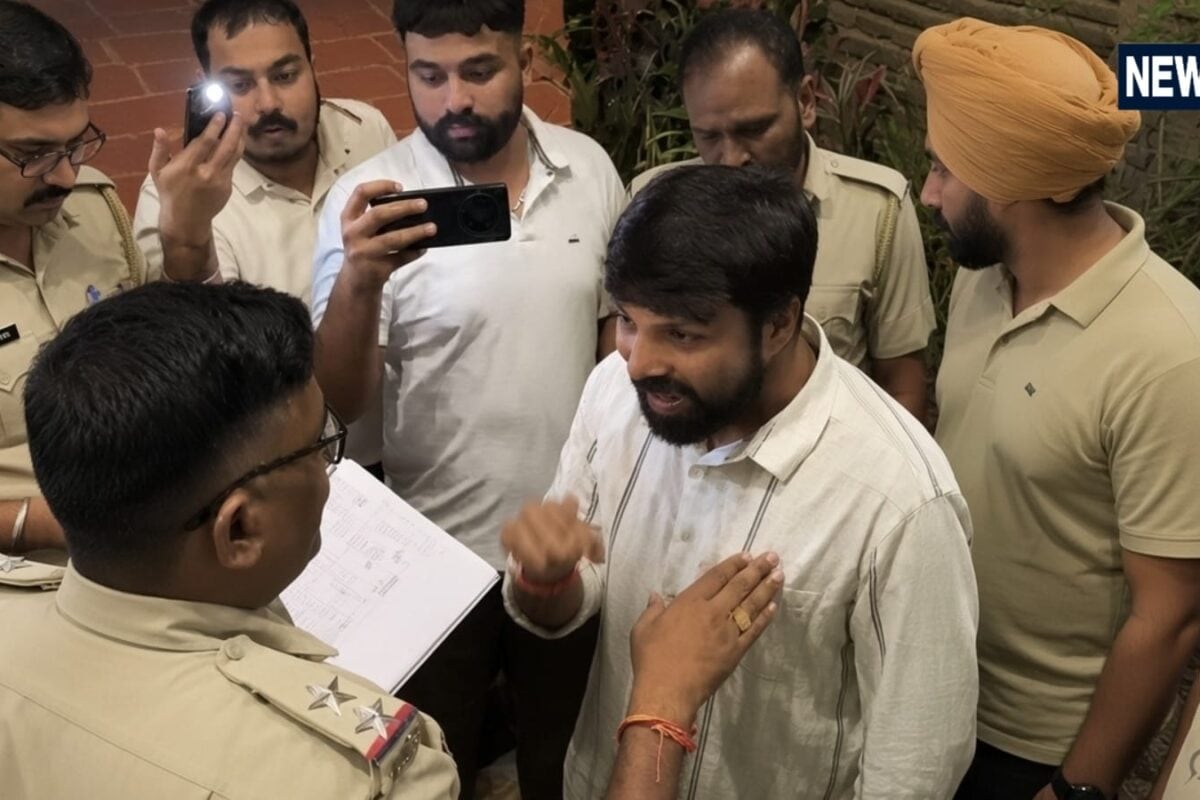
Specific incidents have brought these underlying tensions into the public spotlight, revealing alarming ground realities. In Sangaria, a major dispute erupted regarding the sudden transportation of councilors to Punjab, although the concerned councilors subsequently denied any claims of abduction. Meanwhile, in Suratgarh, Congress councilor Krishan Kumar went missing under deeply suspicious circumstances, sparking intense protests from his distraught family members and local residents. Similarly, in Jalore, elected councilors reported facing constant surveillance outside their residences alongside direct threats intended to influence their political allegiance.
Adding an even more alarming dimension to the crisis, a local independent councilor in Sriganganagar formally registered a police complaint after receiving direct threats issued in the name of the notorious Lawrence gang. This escalation involving organized crime syndicates has amplified safety fears among public representatives. Furthermore, parallel complaints and controversies regarding councilor disappearances and coercion have emerged from Amalgamated regions including Amalgarh, Khandar, and Bamanwas, indicating a widespread breakdown of electoral decorum throughout the state.
The administrative machinery and law enforcement agencies face mounting pressure to intervene and restore public order amidst these swirling controversies. With multiple missing persons reports, abduction claims, and terror complaints linked to criminal gangs, the burden of ensuring the physical safety of elected councilors and their families rests heavily upon district administrations. Observers and citizens are closely monitoring whether statutory oversight bodies will implement strict measures to guarantee independent voting and protect grassroots democracy from criminal interference.
As the timeline for board formations draws closer, the overarching outlook remains volatile and deeply uncertain. The public and civil society groups are demanding transparent investigations into the disappearance of councilors like Krishan Kumar and a thorough security review for threatened representatives in Sriganganagar, Jalore, and other districts. The ultimate outcome of these municipal elections will not only determine local civic leadership but will also set a crucial precedent for political ethics and the rule of law in grassroots governance across Rajasthan.