
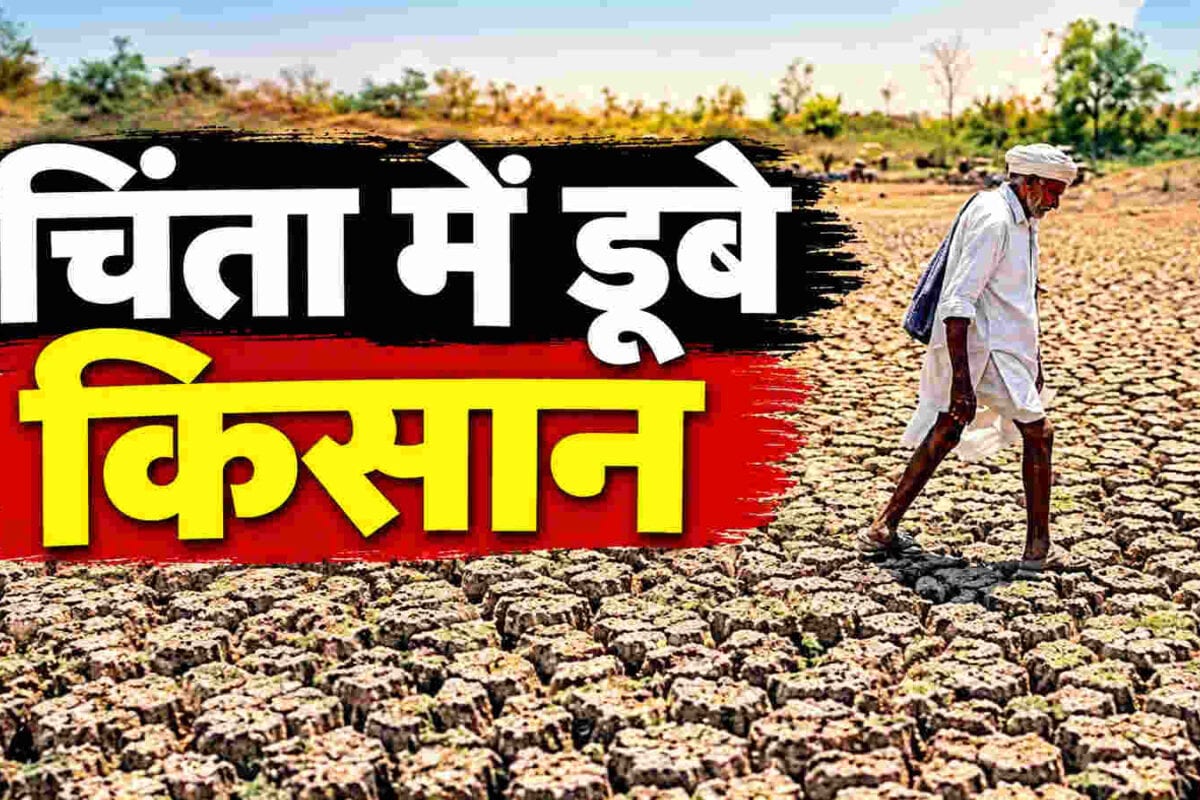
Rajasthan finds itself grappling with severe agricultural and water resource distress as the monsoon season has caused deep disappointment across the entire state this year. After a series of fluctuating weather patterns over the past decades, the state has now encountered a significant rainfall deficit that breaks a negative 17-year record. Meteorological and administrative assessments confirm that the current weather phenomenon has severely impacted the hydrological balance of the region, leaving agrarian communities and urban planners deeply concerned about water security.
This distressing climatic downturn stands in sharp contrast to the monumental weather achievements witnessed in the state just a short time ago. Historical weather data reveals that last year, Rajasthan shattered a remarkable 108-year positive rainfall record, bringing immense relief, overflowing water bodies, and bumper agricultural yields to the entire region. However, the dramatic reversal in seasonal precipitation this year has plunged thousands of farming households back into acute vulnerability, demonstrating the extreme volatility of monsoon patterns in western India.
Analyzing the historical precedent of deficient rainfall highlights the gravity of the current situation. In the preceding 17-year observation window, the state experienced its most severe deficit back in 2009, when rainfall plummeted to a staggering 43 percent below normal levels. While this year's deficit of 21 percent below normal does not numerically match the drastic lows of 2009, the cumulative dry spells, prolonged gaps between showers, and soaring temperatures have proven equally devastating for standing vegetation and local ecosystems.
The ground reality across multiple districts reflects an unfolding agrarian crisis as parched lands and depleted moisture levels take a heavy toll. In numerous rural pockets, crops have completely withered and died due to the prolonged absence of timely irrigation and adequate rainfall. Farmers who invested heavily in seeds, fertilizers, and preparatory tilling now face severe financial distress and mounting debts as their agricultural yields have been utterly decimated by the merciless weather conditions.
Beyond agricultural losses, the shortage of precipitation has triggered an alarming depletion of water storage facilities throughout the region. Traditional village ponds, lakes, and local water bodies popularly known as tal-tailaiya are lying completely dry, exacerbating drinking water scarcity for both human populations and livestock. The agricultural and domestic distress spans across numerous administrative territories, casting a shadow of anxiety over rural livelihoods and livestock management alike.
A prime indicator of the urban and rural water crisis is the status of the major reservoirs, most notably the vital Bisalpur Dam. Designed to quench the thirst of the capital city of Jaipur alongside several other adjoining districts, the Bisalpur Dam has conspicuously failed to reach its targeted water storage capacity this season. The inadequate inflow into this critical reservoir has raised serious concerns among civic authorities regarding drinking water rationing and supply management in the months ahead.
As administrative agencies evaluate the full extent of the drought-like conditions and crop failures, public expectations for relief measures and financial assistance continue to mount. Local communities and farming unions are urging the government to expedite crop loss assessments and disburse compensation promptly. Moving forward, agricultural experts emphasize the urgent need for robust watershed management, advanced irrigation infrastructure, and climate-resilient farming techniques to safeguard Rajasthan against the recurring extremities of erratic monsoon cycles.