
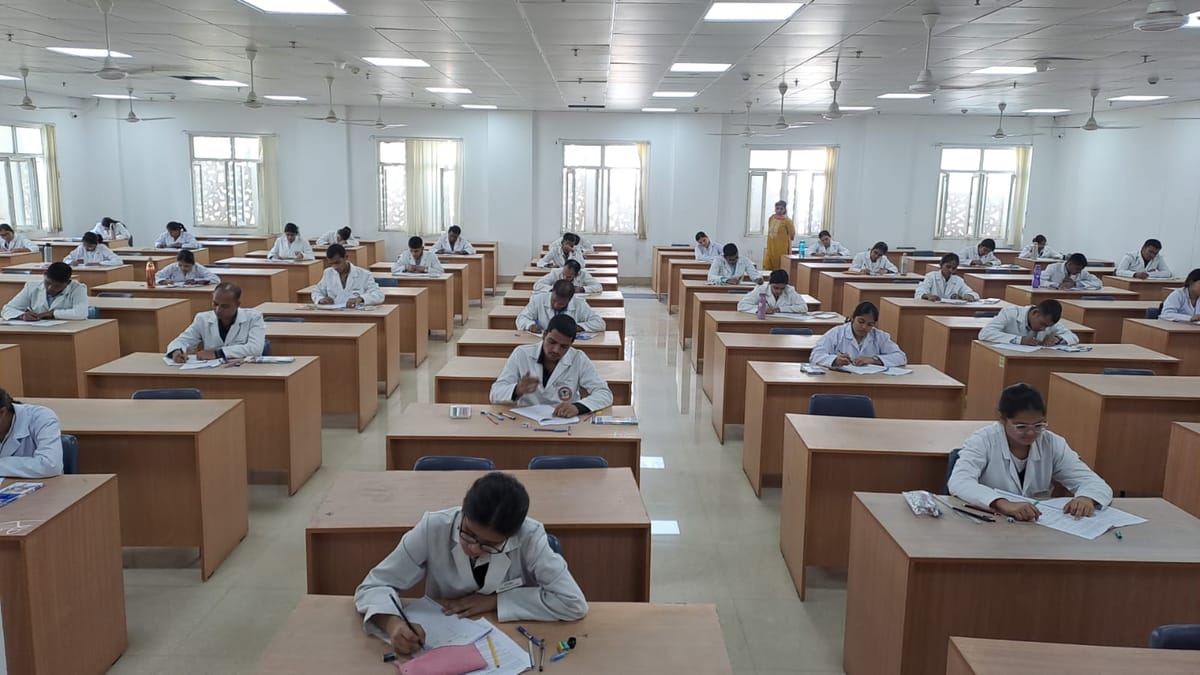
The Rajasthan Medical University of Health Sciences has released a public notice inviting applications for six hundred medical officer vacancies. The recruitment will be conducted through a direct selection process, and candidates will be evaluated solely on a one‑hundred‑mark multiple‑choice examination. Importantly, the exam design does not penalise incorrect answers, allowing aspirants to attempt all questions without fear of negative marking.
This recruitment drive follows a broader pattern of state‑run medical institutions seeking to augment their workforce without resorting to lengthy competitive examinations. Historically, the university has relied on a combination of campus‑based selections and external examinations to fill its teaching and clinical posts. The current decision to adopt a single‑stage MCQ test reflects an administrative shift towards streamlined hiring, aiming to reduce procedural delays and expedite the placement of qualified officers.
The advertised positions total six hundred, a figure that underscores the scale of the university’s staffing requirements. Each candidate will be assessed on a maximum score of one hundred points, with the examination format ensuring that every response, whether correct or incorrect, contributes to the final tally only through earned marks. No deductions for wrong answers mean that the scoring system is purely additive, encouraging comprehensive attempts across the entire syllabus.
University officials have indicated that the recruitment is open to all eligible medical graduates who meet the prescribed qualifications. While no direct quotations are provided, senior administrators have emphasized the importance of transparency and meritocracy in the process. Prospective applicants are being urged to review the detailed eligibility criteria, which include a recognised medical degree and compliance with any statutory age limits set by the university.
For residents of the Kotputli‑Behror district, the announcement holds particular relevance. The region, which hosts several primary health centres and a growing private clinic network, stands to benefit from an influx of newly appointed medical officers. Increased staffing levels are expected to improve patient‑to‑doctor ratios, reduce waiting times, and enhance the overall quality of care available to the local population.
The administrative machinery of the university has outlined a clear timeline for the recruitment cycle. Applications will be accepted through the official portal, after which the university’s examination board will prepare the question paper, conduct the test, and publish the results. An oversight committee will monitor the process to ensure adherence to the stipulated non‑negative‑marking policy and to address any grievances raised by candidates.
Looking ahead, successful candidates will be inducted into their respective posts following a standard onboarding protocol, which includes orientation sessions and assignment to designated health facilities. The university anticipates that the newly recruited officers will commence duties within a few months of the result declaration, thereby strengthening the state’s medical infrastructure and contributing to the broader goal of universal health coverage.
