
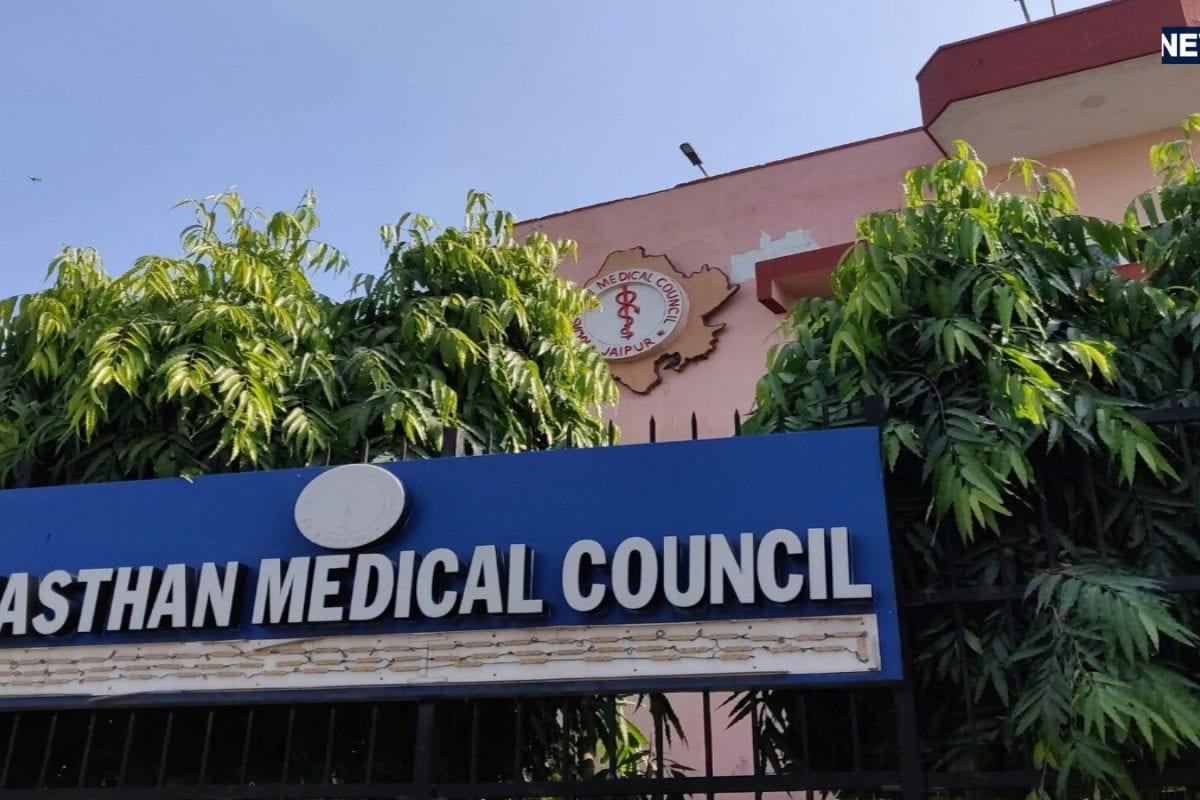
In a major development concerning medical integrity and public safety, the Rajasthan Medical Council has officially cancelled the medical registration of an individual who practiced using a fake MBBS degree. The case, which highlights vulnerabilities in verification protocols, centers around an individual named Sandeep Chaudhary from Nagaur, who had managed to secure a medical registration under the official number RMC-60417. This decisive regulatory action underscores the unwavering commitment of health authorities to weed out unqualified practitioners and protect vulnerable patients from grave medical malpractices.
The meticulous chain of events leading to this exposure began when the regulatory board subjected existing registrations to routine verification processes. During the scrutiny of credentials, deep suspicions arose regarding the authenticity of the academic degree submitted, which was purportedly issued by Pandit B.D. Sharma University of Health Sciences, Rohtak. Given the gravity of the potential fraud, the council immediately initiated comprehensive inquiries with both the parent university in Haryana and the Haryana Medical Council to cross-verify the educational records.
As the investigation progressed, official disclosures from academic authorities confirmed that the degree submitted under the registration number RMC-60417 was entirely fraudulent and never issued by the Rohtak-based institution. The financial, logistical, and ethical stakes of such breaches are immense, as unauthorized individuals posing as qualified medical professionals endanger countless lives and undermine the trust that citizens place in the healthcare system. The unearthing of this fake credential exposes the historical loopholes that bad actors attempt to exploit within state medical registration frameworks.
Healthcare administrators, medical ethics advocates, and vigilant citizens have widely commended the decisive administrative response, emphasizing that stringent oversight is vital for upholding professional standards. Stakeholders within the medical fraternity have consistently demanded rigorous background checks during initial recruitments and council registrations to prevent fraudulent entries. The exposed case involving Sandeep Chaudhary serves as a stark reminder of the urgent need for a centralized, tamper-proof digital database linking universities directly with state medical councils across India.
While the immediate fallout centers on Nagaur and the broader state of Rajasthan, the repercussions of such medical fraud resonate deeply across neighboring regions, including the Kotputli-Behror district and surrounding commercial hubs. Local communities rely heavily on certified healthcare providers, and any breach of medical credentials directly threatens public health and safety. Regional health authorities are therefore ramping up local inspections to ensure that every practicing physician possesses verified credentials authenticated by legitimate medical boards.
In response to this shocking revelation, administrative measures have been intensified to audit existing registries and plug any procedural gaps that allowed the fraudulent registration RMC-60417 to slip through initially. The Rajasthan Medical Council has pledged zero tolerance toward forgery, directing its legal and verification cells to cooperate fully with law enforcement agencies in pursuing criminal charges against those involved in the fabrication and use of fake medical degrees.
Looking forward, the upcoming procedures will likely involve further legal scrutiny, potential police investigations, and stricter compliance mandates for all registered practitioners in Rajasthan. Public expectations remain high for continued transparency and accountability from regulatory bodies to ensure that only qualified professionals holding genuine degrees from recognized institutions like Pandit B.D. Sharma University of Health Sciences are permitted to practice medicine.
