
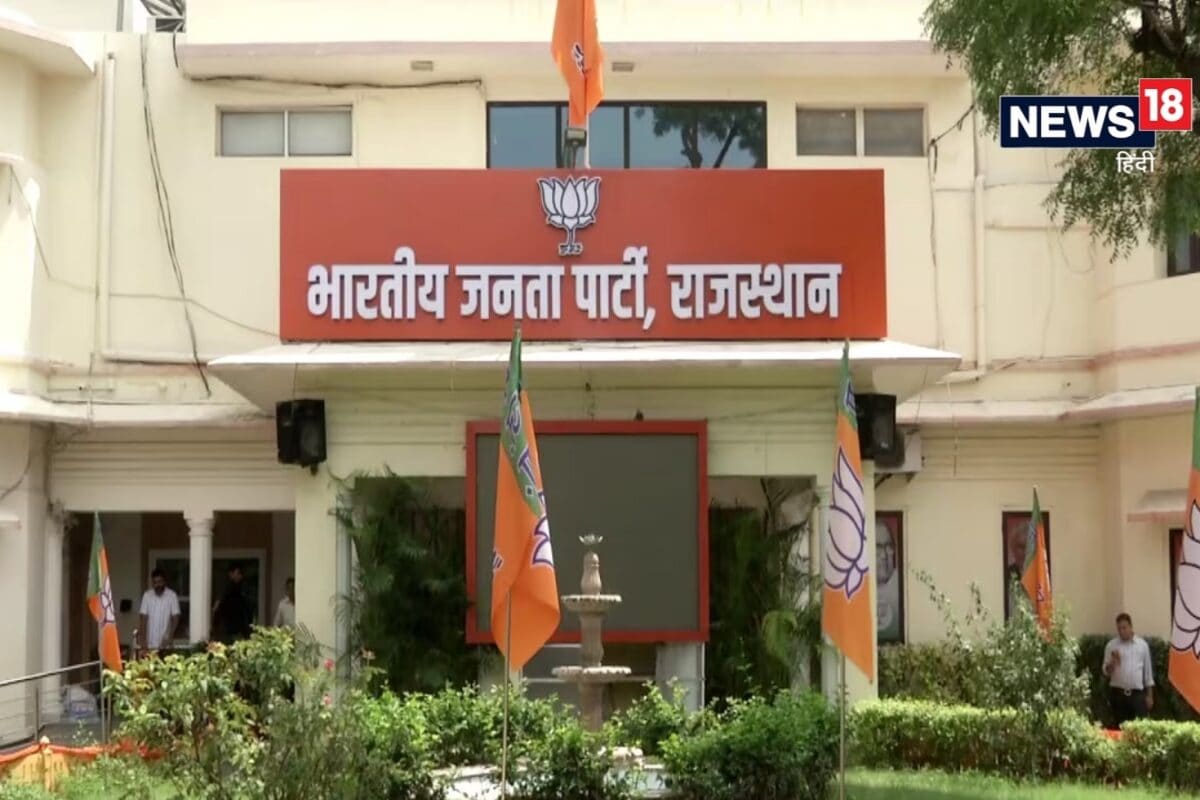
The political landscape of Rajasthan has experienced a profound jolt following the release of the local body election results for the year 2026. These comprehensive electoral outcomes have successfully dismantled long-standing political strongholds and dramatically shifted local power dynamics across several high-profile districts. Analysts and political observers at Kotputli News are closely monitoring how these localized municipal shifts will resonate through the wider corridors of state governance as parties look ahead to the crucial political milestones of 2028.
Historically, municipal elections in Rajasthan serve as a direct litmus test for the grassroot popularity and organizational reach of major political heavyweights. The origins of the current electoral contest lie in intense urban and semi-urban governance challenges, local infrastructure demands, and fierce competition between the ruling establishment and the opposition. Over the past several weeks, political parties invested immense resources, campaign strategies, and leadership capital to secure dominance in these critical municipal bodies, anticipating that these outcomes would define state politics for the foreseeable future.
A rigorous analysis of the ground reality and the official data reveals a fractured and highly competitive mandate across multiple districts. In Jodhpur, both the Bharatiya Janata Party and the Congress party finished in an absolute tie, securing 44-44 seats each, thereby reflecting a deeply divided urban electorate. Meanwhile, in Ajmer, the Congress party emerged as the single largest political force. The complex web of local aspirations became even more apparent in Chief Minister Bhajanlal Sharma's home district of Bharatpur, where independent candidates disrupted the conventional political arithmetic by bagging an impressive 36 seats, effectively outmaneuvering both major political formations.
Further compounding the political intrigue, veteran leaders faced significant electoral challenges in their respective home turfs. In senior leader Madan Rathore's home district of Pali, the Congress party holds a relative lead with 29 seats, though it still falls considerably short of the magic number required for an absolute majority. Conversely, in Jhalawar, a district historically known as the stronghold of senior leader Vasundhara Raje, the Congress party secured a clear and decisive majority with 29 seats. Meanwhile, in Bikaner, the Congress party consolidated its position by winning 42 seats, comfortably crossing the majority threshold to establish firm local control.
The regional impact of these municipal results extends far beyond urban municipal boundaries, touching local commerce, civic administration, and public trust in governance. Citizens and local traders across these districts have expressed mixed reactions, noting that fractured mandates often delay crucial developmental projects while heightening political jockeying. Community stakeholders emphasize that municipal governance directly influences daily civic amenities, local sanitation, water supply, and minor infrastructural maintenance, making these electoral shifts vital for ordinary residents.
In response to these surprising electoral outcomes, local administrative bodies and district election offices have initiated formal procedures for council formations and mayoral elections. Statutory oversight mechanisms are currently being reinforced to ensure complete transparency during the upcoming swearing-in ceremonies and the election of civic chiefs. District collectors and returning officers have stepped up security and logistical preparations to manage the newly elected representatives smoothly, adhering strictly to municipal election guidelines and state regulations.
Looking forward, political parties are urgently reviewing their grassroots strategies, candidate selection processes, and internal party alignment as the state marches steadily toward the critical assembly horizon of 2028. The 2026 municipal verdict has clearly demonstrated that no leader's influence is absolute, forcing political organizations to recalibrate their outreach. Public expectations remain high as citizens demand immediate accountability, transparent civic administration, and uninterrupted development from the newly constituted local bodies across Rajasthan.