
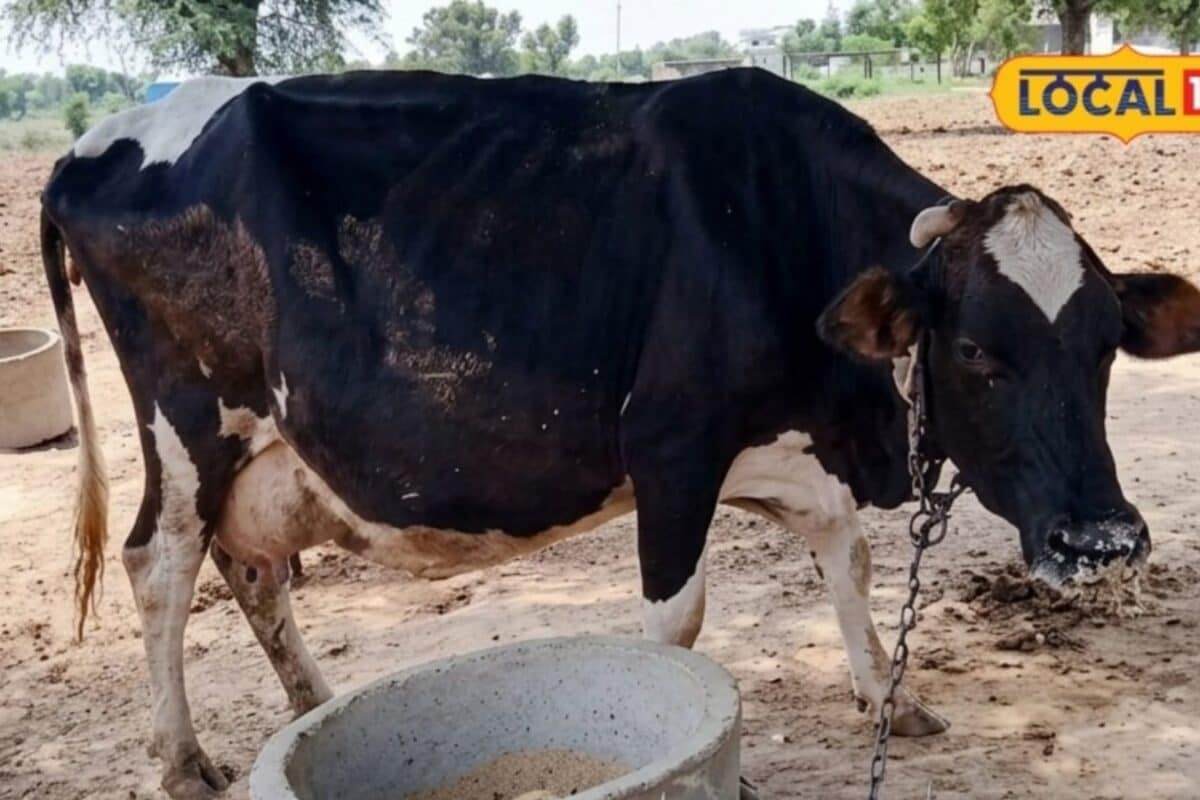
In response to a renewed threat posed by the Lumpy Skin Disease among the bovine population, the Animal Husbandry Department in Rajasthan has significantly escalated its preventive and containment protocols to arrest the spread of the viral contagion. State authorities have instituted stringent regulatory measures to control the inter-district and inter-state movement of cattle, recognizing that uncontrolled transit remains one of the primary vectors for viral dissemination. By clamping down on the transit corridors, the administration aims to create an effective protective barrier around unaffected regions, thereby mitigating widespread transmission among vulnerable livestock.
Historically, the spread of vector-borne viral ailments in livestock has caused severe socio-economic distress to rural communities whose livelihoods depend directly on dairy farming and cattle rearing. The current proactive intervention by the state machinery stems from lessons learned during previous outbreaks, where delayed containment severely impacted the rural economy and agricultural output. Understanding the destructive potential of the Lumpy Skin Disease, the department has prioritized early intervention strategies focused on containment rather than reactive treatment, ensuring that the viral chain is broken before it reaches epidemic proportions.
As part of the stringent measures enacted by the Animal Husbandry Department, all prominent animal fairs, livestock gatherings, and rural haat markets across the state have been placed under an immediate and total ban. Among the most notable cancellations are the prestigious annual cattle fairs held at Beri and Todpura in the Sikar and Jhunjhunun districts. These massive regional gatherings traditionally draw over twenty thousand animals from various parts of the region, creating high-risk environments for rapid cross-infection. Halting these prominent commercial and cultural events represents a significant financial sacrifice for local traders, yet it is deemed an absolute necessity by health experts to protect the overall cattle wealth of the state.
Stakeholders, including dairy farmers, livestock traders, and local administrative bodies, have expressed both concern over economic disruptions and appreciation for the timely preventive directives. While the temporary suspension of livestock trading impacts rural commerce, community leaders acknowledge that safeguarding the health of the bovine population must take precedence over short-term financial gains. Local administrators are actively engaging with farming communities to build consensus around the mandatory quarantine protocols, ensuring that traders and owners understand the gravity of the viral threat and willingly cooperate with government directives.
The administrative crackdown extends deeply into regional logistics, particularly affecting peripheral districts and farming corridors where livestock movement is dense. Veterinary experts have issued comprehensive advisory guidelines urging farmers to strictly isolate any symptomatic animals from the healthy herd to prevent direct contact transmission. Furthermore, the containment strategy places heavy emphasis on large-scale chemical spraying, comprehensive sanitization of animal shelters, and targeted fogging operations to eradicate blood-feeding vectors such as mosquitoes, flies, and ticks that primarily transmit the virus.
Demonstrating administrative resolve, the state government has sanctioned a dedicated financial allocation of 2.50 crore rupees specifically designated to combat the Lumpy Skin Disease crisis. This state-level budget is being utilized to procure essential medicines, disinfectants, and protective equipment for veterinary units operating on the front lines. Concurrently, specialized Rapid Response Teams are being mobilized across districts to conduct exhaustive door-to-door surveys, ensuring that every suspected case is immediately identified, documented, and subjected to localized isolation protocols.
Looking ahead, the Animal Husbandry Department maintains that strict surveillance and containment protocols will remain active until epidemiological indicators confirm a complete halt in new infections. The upcoming weeks will be critical as veterinary teams execute rigorous monitoring schedules, public awareness campaigns, and vaccination or supportive treatment regimens wherever applicable. Through a combination of financial commitment, administrative enforcement, and community participation, the state authorities remain steadfast in their mission to protect the bovine population and restore long-term stability to the rural economy.