
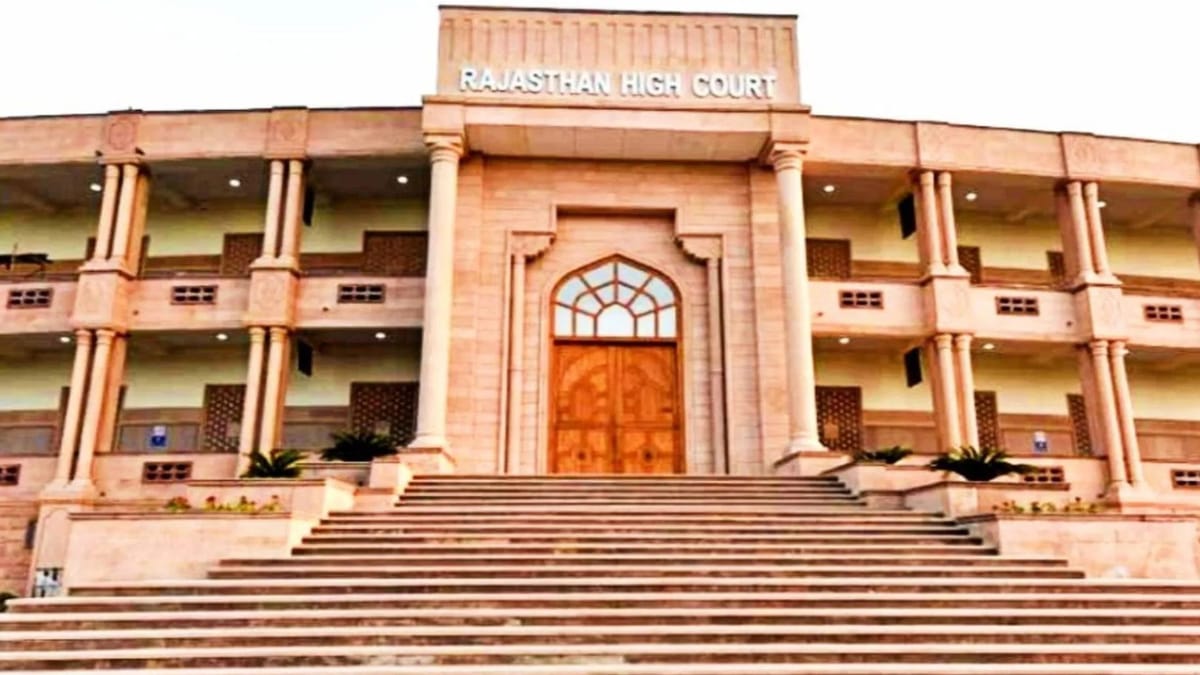
In a monumental judicial development carrying profound financial implications for state-run public transport, the Rajasthan High Court has delivered a decisive verdict providing massive relief to Rajasthan Roadways. The esteemed judiciary upheld the previous decision of the commercial court, which had successfully nullified an arbitration award demanding a colossal compensation payout of 653.20 crore rupees to Bhagwati Enterprises. This high-profile legal battle has been a subject of intense administrative scrutiny and concern across the transportation sector in Rajasthan.
The intricate origins of this multi-crore legal dispute trace back through years of complex contractual negotiations, operational disagreements, and protracted arbitration proceedings between Rajasthan Roadways and Bhagwati Enterprises. Over successive financial terms, conflicting interpretations of service obligations and commercial liabilities accumulated, ultimately culminating in an arbitration award that directed the state transport entity to pay an astronomical sum of 653.20 crore rupees, threatening to cripple the foundational fiscal structure of the state roadway network.
Delving into the operational and fiscal dimensions of the controversy, the staggering figure of 653.20 crore rupees represents an unprecedented financial burden that could have completely paralyzed the daily functioning of Rajasthan Roadways. The transportation corporation, which serves millions of daily commuters across remote villages and urban centers alike, operates on tight budgetary margins. Had the contested arbitration award been enforced, the resulting capital drain would have directly compromised fleet maintenance, employee salaries, route expansion, and essential passenger safety measures.
Key stakeholders, transport economists, and senior administrative officials within the state apparatus have closely monitored the proceedings, expressing immense collective relief following the High Court judgment. Industry observers note that while commercial contractors retain legal channels to seek legitimate dues, arbitration awards of such magnitude demand rigorous judicial oversight to protect public exchequers from unsustainable liabilities. Representatives from various transport unions and commuter associations welcomed the intervention, emphasizing the paramount importance of safeguarding public utility infrastructure.
Examining the regional repercussions on communities, including those within the Kotputli-Behror district and surrounding transit corridors, the continuity of uninterrupted bus services remains vital for local commerce, daily wage earners, and students. Any financial collapse of Rajasthan Roadways would have triggered an immediate ripple effect across local markets, increasing travel costs and reducing mobility. By securing this legal vindication, the regional transit framework is shielded from abrupt disruptions, ensuring that residents continue to enjoy reliable and affordable public transportation.
Administrative responses following the court pronouncement reflect a renewed focus on internal legal preparedness, robust contract drafting, and proactive dispute resolution mechanisms within Rajasthan Roadways. Senior bureaucrats and legal advisors stationed in Jaipur have emphasized that institutional safeguards must be reinforced to prevent future litigation of such extreme proportions. Enhanced inter-departmental coordination is currently being prioritized to review all ongoing commercial partnerships and ensure complete compliance with statutory and financial regulations.
Looking toward the future, this definitive ruling by the Rajasthan High Court establishes a robust judicial precedent regarding the limits of arbitration awards against state-owned undertakings. As Rajasthan Roadways moves forward, management can now redirect its strategic focus toward modernization, fleet augmentation, and service quality enhancement without the looming shadow of a 653.20 crore rupee liability. Observers anticipate that while legal challenges may be pursued in higher forums by the opposing party, the current judicial endorsement strongly fortifies the legal standing of the transport corporation.
