
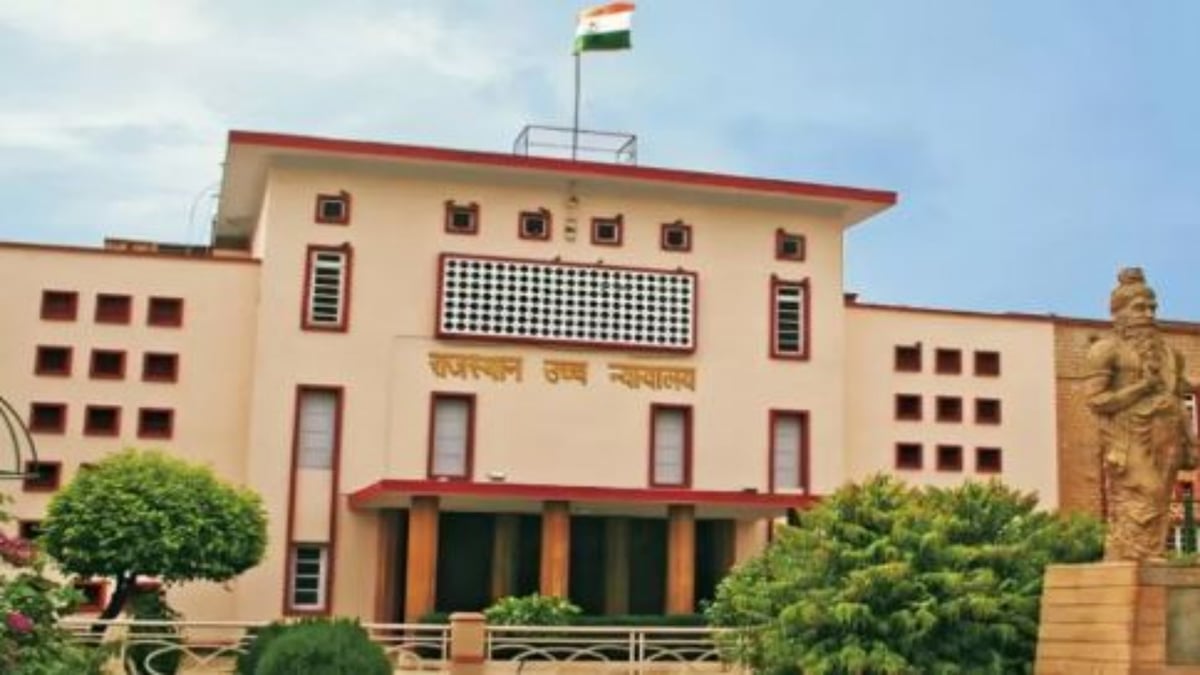
In a decisive administrative move aimed at strengthening institutional oversight and maintaining absolute integrity within the state judiciary, the Rajasthan High Court has formally constituted a specialized five-judge committee. This high-level panel has been entrusted with the critical responsibility of reviewing all matters pertaining to the compulsory retirement of judicial officers serving across various districts and jurisdictions within Rajasthan.
The establishment of this comprehensive review committee builds upon the foundational framework of previously established administrative protocols. Historically, the High Court has utilized targeted committees to assess the performance, professional conduct, and overall suitability of judicial officers for continued retention in public service, ensuring that judicial standards remain uncompromised.
Under the newly structured mandate, the scope of this five-judge committee has been significantly expanded to encompass all pending cases and administrative files that were previously delegated to two separate committees. By consolidating these responsibilities under a single, unified authority, the High Court intends to eliminate procedural redundancies and accelerate the decision-making process regarding sensitive service matters.
Legal experts, senior administrators, and judicial observers have noted that periodic evaluations of judicial performance are an essential component of administrative jurisprudence. The centralized review mechanism ensures that matters concerning compulsory retirement are handled with utmost diligence, procedural fairness, and adherence to established constitutional principles.
While this administrative restructuring operates at the apex level of the state judiciary, its implications resonate deeply across regional judicial administration, including emerging judicial districts like Kotputli-Behror. Ensuring a robust and accountable judiciary reinforces public trust in the delivery of justice and maintains the highest standards of professional ethics among judicial personnel.
The administrative machinery of the Rajasthan High Court continues to supervise these proceedings with rigorous oversight, ensuring that every case is evaluated strictly on its individual merits. The integration of prior committee mandates into this single five-judge panel represents a streamlined approach to institutional governance.
Moving forward, the committee is expected to systematically address the backlog of transferred cases, executing comprehensive reviews in accordance with established service rules. This proactive approach underscores the High Court's ongoing commitment to judicial excellence, institutional transparency, and administrative efficiency.
