
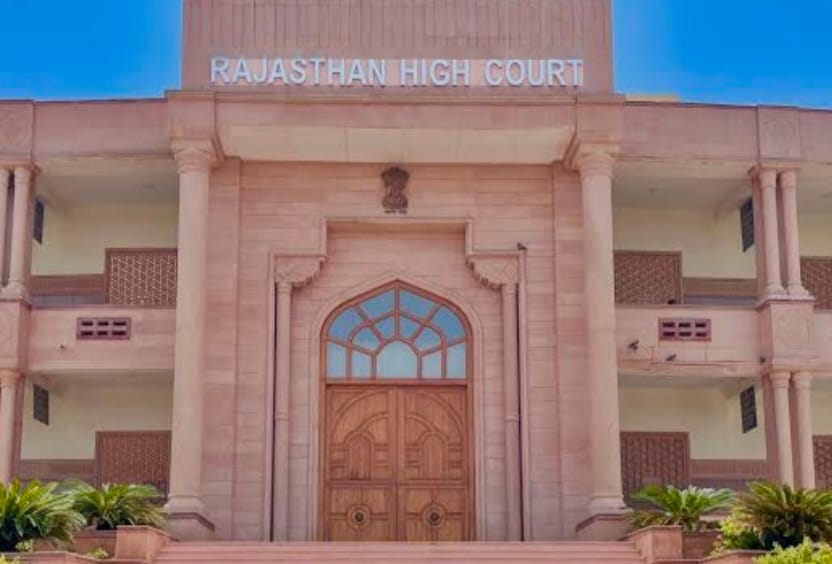
In a significant legal intervention addressing governance and institutional accountability, the Rajasthan High Court has issued strict directives to the state administration. The honorable court has mandated that the state government must fill all vacant positions within the state women commission, including the crucial post of the chairperson and other member vacancies, within a strict timeframe of two months. This judicial order underscores the urgent necessity of functional statutory bodies to protect women's rights and address grievances across the entire state of Rajasthan.
The genesis of this judicial scrutiny lies in the mounting backlog of administrative and legal grievances concerning women's safety, welfare, and rights. Over recent months, civil society groups and legal observers have expressed persistent worries regarding the operational paralysis of the state women commission. Without a permanent chairperson and a full quorum of members, policy formulation, suo motu cognizance, and regular grievance redressal hearings have effectively come to a standstill, leaving aggrieved women without an apex forum for appeal and arbitration.
During the court proceedings, alarming statistical data came to light, which profoundly disturbed the bench. Official records presented before the court revealed an overwhelming accumulation of 3,122 pending cases awaiting formal review, investigation, and resolution by the women commission. This massive backlog highlights a severe systemic bottleneck, directly impacting the rule of law and denying timely justice to numerous victims of domestic discord, harassment, and societal injustices throughout Rajasthan.
Legal experts, human rights advocates, and community leaders have vocally supported the judicial intervention, noting that a toothless or vacant statutory commission defeats the very legislative purpose for which it was established. Representatives from various social organizations pointed out that victims of crime and domestic strife suffer prolonged trauma when quasi-judicial bodies remain non-functional for extended periods. The pressure is now squarely on the state government to expedite bureaucratic clearances and appoint competent, empathetic leadership to the commission.
The administrative ramifications of this high court directive extend significantly to regional administrative headquarters, including the emerging districts like Kotputli-Behror. Local socio-economic dynamics, rapid urbanization, and shifting industrial demographics in these developing regions frequently generate complex socio-legal challenges for women. A fully functional state women commission is indispensable for coordinating local protection cells, ensuring timely police action, and conducting grassroots awareness programs to safeguard women in both urban and rural sectors.
Responding to the judicial stricture, bureaucratic circles within the state administration have initiated preliminary deliberations to comply with the two-month deadline. Government secretariats are reviewing potential candidates who possess the requisite legal acumen, administrative experience, and social service background to helm the women commission effectively. Ensuring political neutrality and professional competence in these appointments remains a paramount expectation of both the judiciary and the civil society.
Looking ahead, the successful restructuring and staffing of the women commission within the stipulated sixty-day window will serve as a crucial test of administrative efficiency for the state government. Once the chairperson and members assume office, clearing the massive backlog of 3,122 pending cases will require extraordinary administrative resolve, meticulous case management, and dedicated investigative support. The people of Rajasthan, particularly marginalized women and civil rights advocates, await the speedy implementation of this judicial directive to restore faith in institutional justice.
