
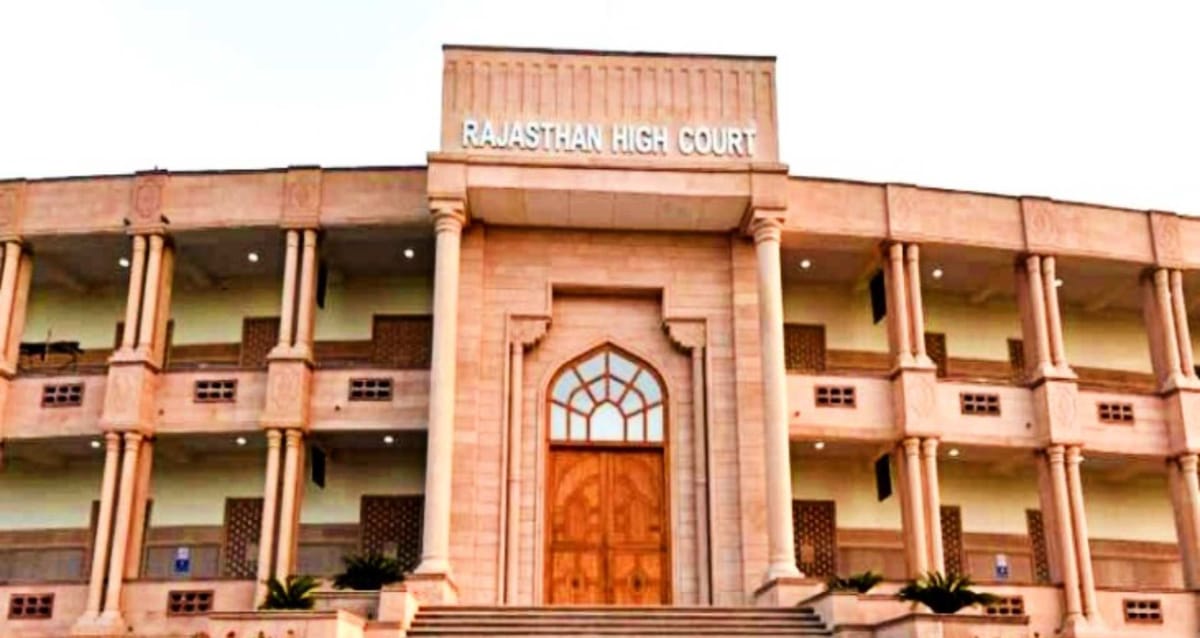
In a significant legal development that carries profound implications for public sector recruitment in Rajasthan, the Rajasthan High Court has intervened in the ongoing hiring process for Junior Scientific Officers (JSOs). The honorable court has formally mandated that all appointments made to these coveted technical positions within the administrative structure of the Rajasthan State Pollution Control Board must remain strictly conditional and subordinate to the final adjudication of the pending writ petition.
The genesis of this judicial scrutiny traces back to procedural grievances and legal challenges brought before the judiciary by aggrieved aspirants. Recruitment procedures governing specialized scientific and environmental governance roles frequently attract intense legal oversight due to eligibility criteria, examination methodologies, and reservation frameworks. The current controversy surrounding the Rajasthan State Pollution Control Board recruitment underscores the persistent tensions between administrative expediency and judicial compliance.
While public sector employment drives are critical for reinforcing institutional capacity, legal entanglements such as this inject uncertainty into the administrative pipeline. The stakes for candidates who have dedicated substantial time and resources to prepare for these examinations are exceptionally high. Every procedural step undertaken by the recruiting authority is now being analyzed through a legal lens, ensuring absolute transparency even as it prolongs the tenure security of the eventual appointees.
Legal counsels, petitioner representatives, and administrative authorities are closely monitoring the progression of the case as it makes its way through the judicial corridors. Stakeholders emphasize that while appointments may proceed provisionally under the court's directive, the final legal validity of these positions will ultimately depend on the definitive interpretation and ruling delivered by the bench. This interim arrangement protects the interests of the petitioners while preventing a total standstill in the operational capacity of the pollution control board.
Across the wider region, including developing administrative zones such as Kotputli-Behror, aspirants and local educational networks are viewing these judicial developments with keen interest. Government employment remains a primary aspiration for educated youth in Rajasthan, and any legal development affecting high-profile boards like the Rajasthan State Pollution Control Board resonates deeply within local communities and employment preparation hubs.
Administrative machinery within the concerned departments must now carefully document and manage the provisional recruitment process, ensuring complete compliance with the directions issued by the Rajasthan High Court. Officials are tasked with informing all selected candidates regarding the provisional nature of their appointments, thereby upholding transparency and mitigating future administrative liabilities that could arise from the final judicial verdict.
As the legal proceedings advance toward their ultimate conclusion, all eyes remain fixed on the judicial timeline. The final judgment will not only determine the legal fate of the current batch of Junior Scientific Officers but will also establish a vital legal precedent for future recruitment drives conducted by statutory bodies and boards across Rajasthan.
