
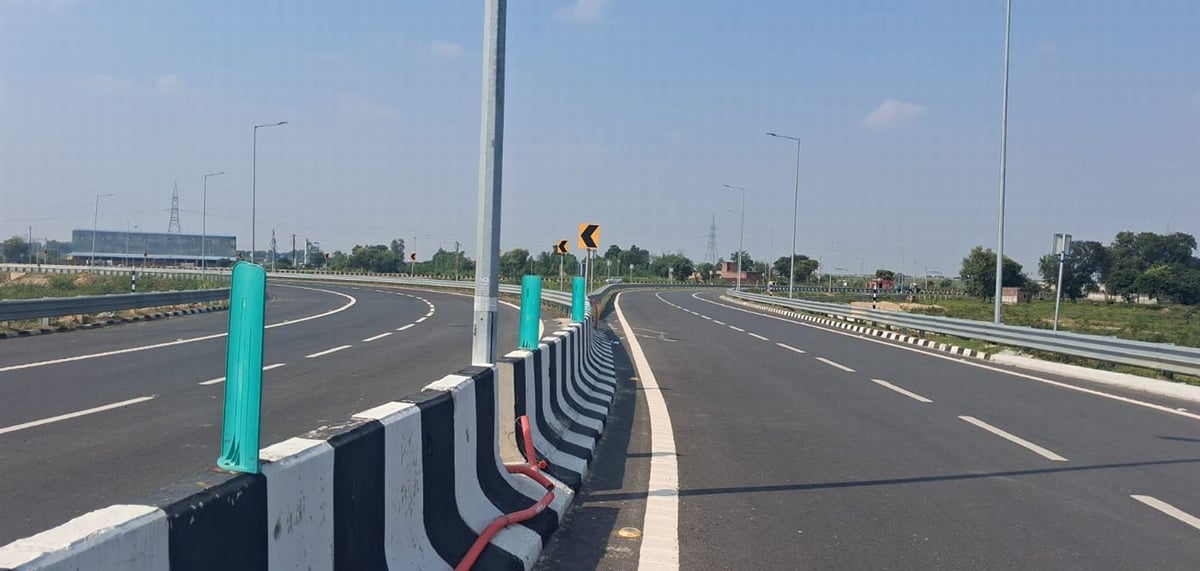
In a monumental stride toward bolstering the transport infrastructure of western India, the National Highways Authority of India has officially embarked upon an ambitious greenfield expressway project connecting Jaipur, Jodhpur, and Pachpadra in the state of Rajasthan. Spanning an extensive distance of approximately 390 to 400 kilometers, this newly conceptualized six-lane expressway is designed to completely redefine modern vehicular transit and freight movement across the arid yet economically vibrant terrain of the region.
The genesis of this strategic transportation corridor lies in the persistent administrative necessity to alleviate severe traffic congestion along existing arterial roadways, which have long struggled to cope with escalating commercial and passenger transit volumes. Historical trade and administrative routes connecting the capital city of Jaipur with the historical desert hub of Jodhpur have traditionally suffered from circuitous alignments and mixed vehicular traffic, necessitating a dedicated, high-speed, controlled-access bypass to streamline intercity connectivity.
At the heart of this massive infrastructure endeavor is a staggering financial allocation of 11,492 crore rupees, underscoring the Union government and the National Highways Authority of India's unwavering commitment to regional progress. Engineering plans dictate that the alignment will incorporate advanced road safety systems, grade separators, and bypasses designed specifically to accommodate high-speed commercial freight carriers and passenger vehicles alike, ensuring seamless transit without interrupting local rural populations.
Key stakeholders, including commercial trade federations, transport associations, and regional economic analysts, have enthusiastically welcomed the fiscal and logistical commitment directed toward this project. Representatives from industrial sectors note that efficient transportation networks are foundational to attracting new manufacturing investments, boosting tourism between the heritage-rich hubs, and facilitating the rapid export of regional goods from industrial clusters toward major national corridors.
While the immediate geographical focus centers on the primary corridor between Jaipur, Jodhpur, and Pachpadra, the broader economic ripples of the six-lane expressway are anticipated to positively influence neighboring administrative divisions and transport networks across the state. Enhanced connectivity naturally translates into reduced vehicular wear and tear, substantial fuel savings, and significantly diminished carbon emissions resulting from continuous, uninterrupted high-speed vehicular momentum.
Administrative oversight and statutory execution are being closely monitored by the National Highways Authority of India, ensuring strict adherence to environmental regulations, land acquisition protocols, and rigorous engineering quality standards. Bureaucratic bottlenecks are being systematically addressed through coordinated inter-ministerial reviews, facilitating timely land clearances and seamless mobilization of heavy construction machinery across the designated stretches.
Looking ahead toward the culmination of this transformative initiative, public expectations remain exceptionally high regarding the targeted four-hour travel milestone between Jaipur and Jodhpur. As civil engineering works progress through successive phases, regional authorities remain optimistic that the completed expressway will serve as a permanent benchmark for modern highway construction, effectively transforming the socio-economic landscape of Rajasthan for decades to come.
