
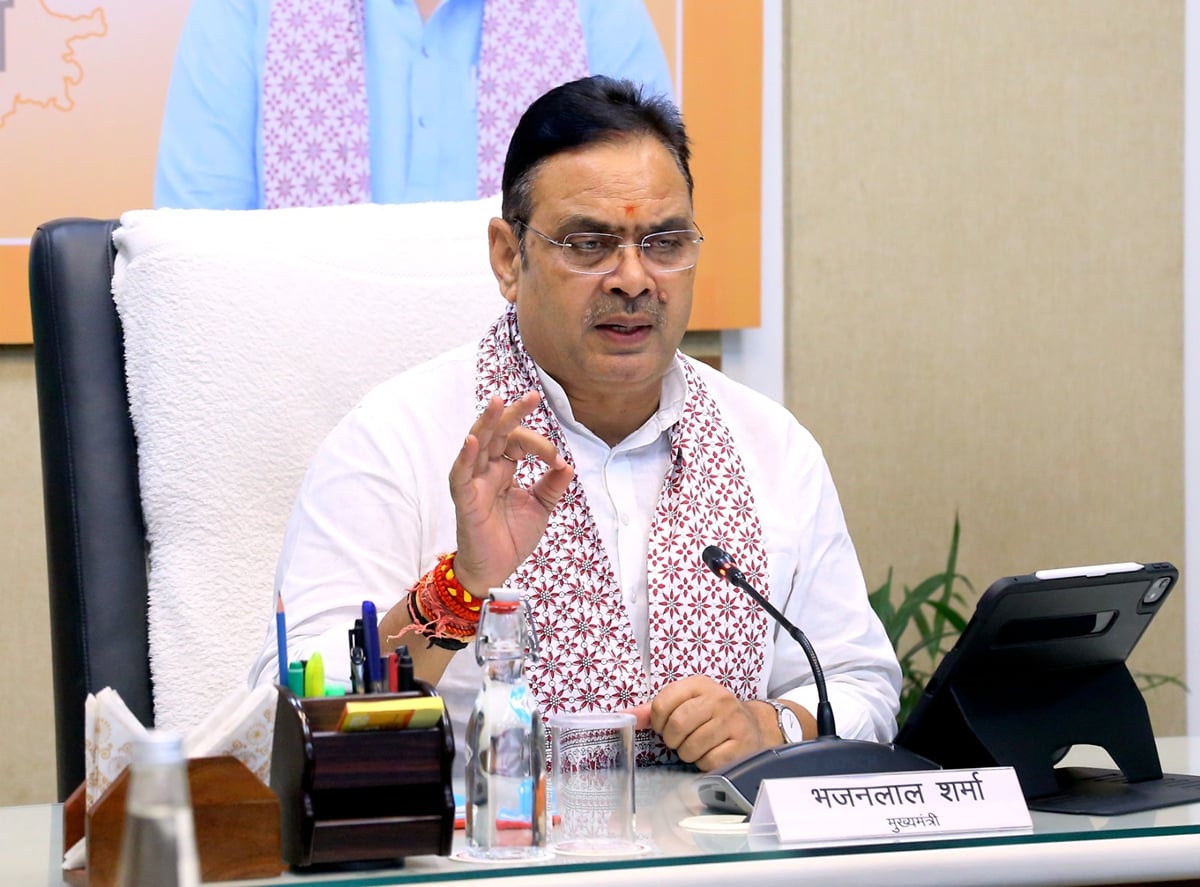
In a decisive and sweeping administrative action aimed at cleansing the governance machinery, the Government of Rajasthan under the leadership of Chief Minister Bhajanlal Sharma has officially sanctioned the prosecution of 27 corrupt officials. These individuals are implicated in a total of 21 distinct legal cases encompassing severe charges such as corruption, gross abuse of official position, illegal irregularities in land conversions, and amassing wealth disproportionate to their known sources of income. This rigorous initiative marks a major escalation in the state administration's ongoing crusade against graft, setting a stern benchmark for civil service integrity throughout the region.
The genesis of these high-profile prosecutions lies in prolonged investigations conducted by anti-corruption bureaus and vigilance cells, which meticulously scrutinized files, land documents, financial transactions, and asset declarations over several months. Historically, systemic delays in securing prosecution sanctions have often hampered legal proceedings against tainted bureaucrats, leaving loopholes that undermined public trust. By systematically reviewing these pending files and expediting clearances, the state leadership seeks to dismantle bureaucratic bottlenecks and ensure that no individual, regardless of their official standing, remains shielded from the consequences of administrative malfeasance.
The financial and logistical magnitude of these 21 cases is substantial, reflecting deep-seated systemic exploitation of public authority. The implicated officials span various departments, with specific allegations pointing toward illicit financial gains amassed through unauthorized land conversions and unauthorized accumulation of disproportionate assets. The inclusion of 27 high-ranking personnel highlights a concerted strategy to target both individual offenders and the underlying structural vulnerabilities that facilitate corrupt practices within regional administrative networks across Rajasthan.
Reactions from various stakeholders, legal experts, and civil society representatives emphasize the critical importance of uncompromising accountability. Citizens and regional observers have long voiced concerns over administrative delays, making this proactive stance by Chief Minister Bhajanlal Sharma a welcome development. Legal analysts note that securing formal prosecution sanction is a vital legal prerequisite that will now pave the way for fast-tracked judicial trials, potentially serving as a powerful deterrent against future corruption in public service.
For the Kotputli-Behror district and neighboring regional economies, this administrative cleanup holds profound implications. Local businesses, farmers, and everyday citizens frequently interface with district-level departments dealing with land records, revenue, and municipal approvals. The strict enforcement against land conversion irregularities and abuse of authority is expected to foster a more transparent business and regulatory ecosystem, ensuring equitable access to government services without the shadow of illicit demands.
On the administrative front, the state government has instituted heightened oversight mechanisms to monitor departmental compliance and prevent future lapses. Senior bureaucratic leadership has been directed to enforce rigorous internal audits and streamline supervisory protocols. These institutional safeguards are designed to detect financial irregularities at their nascent stages, thereby insulating public departments from deep-rooted corruption and reinforcing the rule of law across all administrative tiers.
Looking forward, the legal proceedings arising from these 21 sanctioned cases will unfold in specialized anti-corruption courts, where the documented evidence will be thoroughly tested. Public expectations remain high as the administration signals its intent to pursue these matters to their logical judicial conclusions. The coming months will be critical in determining the pace and effectiveness of these trials, potentially establishing a transformative precedent for governance, accountability, and ethical administration throughout Rajasthan.
