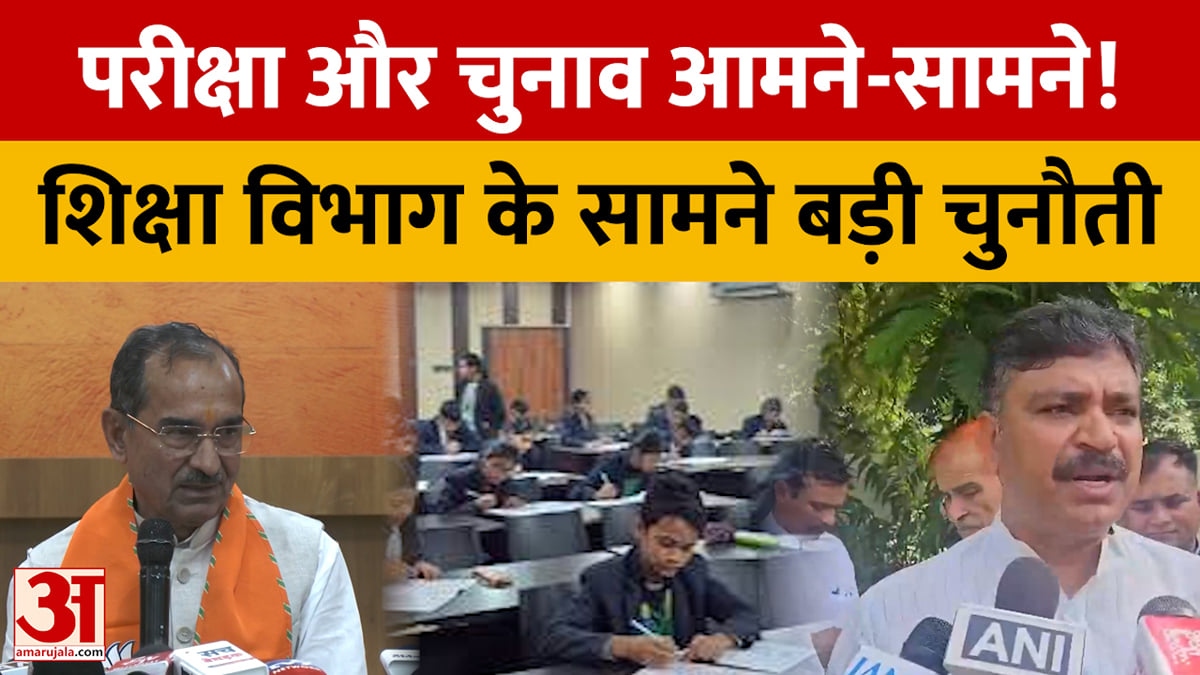
The state of Rajasthan is witnessing an extraordinary administrative challenge as the rigorous demands of election duties intersect directly with critical academic examination schedules. This convergence has created an unprecedented scenario for state authorities, forcing educational institutions and government departments into a complex balancing act. The overlapping timelines have sparked widespread discussions across various administrative tiers regarding the optimal utilization of government personnel, particularly teaching staff, during peak operational periods.
Historically, the deployment of teachers for non-academic governmental duties, especially electoral processes, has been a standard administrative practice in the region. However, the modern calendar has increasingly compressed the timeframes available for conducting public votes and administering standardized student examinations. This structural collision highlights long-standing systemic vulnerabilities within regional governance, where concurrent execution of massive democratic exercises and academic assessments places extreme logistical strain on the educational machinery.
At the ground level, the direct implication of this scheduling conflict falls heavily upon the shoulders of individual educators who find themselves caught between conflicting official mandates. While educational boards demand rigorous preparation, syllabus completion, and invigilation for student evaluations, district election officers simultaneously issue binding directives for polling booth training and election day deployment. The financial and logistical stakes are remarkably high, as both state-level democratic integrity and the academic futures of thousands of students hang in a precarious balance.
Stakeholders from various sectors, including teacher associations, academic unions, and civil society representatives, have increasingly voiced their profound concerns regarding this recurring dilemma. Direct appeals have been circulated to administrative heads, emphasizing that overburdening teachers with dual responsibilities severely compromises the quality of education and degrades the mental well-being of the academic workforce. Observers note that while public participation in democratic exercises is non-negotiable, the systemic protection of student assessment periods requires far superior calendar coordination.
Within specific regional zones such as the Kotputli-Behror district, the local educational infrastructure and economic community feel the immediate reverberations of this systemic deadlock. Local schools often function as primary polling stations and evaluation centers simultaneously, disrupting regular academic calendars and causing considerable anxiety among local families and student bodies. Small businesses and community networks dependent on stable academic schedules also experience indirect disruptions as educational institutions struggle to maintain regular functional hours.
In response to mounting pressures from various academic bodies, district administrations and state-level authorities have initiated reviews to streamline deployment procedures and minimize disruptions. Special coordination committees are being urged to analyze upcoming schedules to identify potential overlaps well in advance, allowing for contingency planning. Administrative measures increasingly focus on rotational duties and targeted exemptions for educators directly involved in critical board examinations, aiming to strike a sustainable balance between democratic obligations and academic duties.
Looking toward the future, education experts and policy analysts emphasize the urgent necessity of establishing a permanent inter-departmental calendar harmonization mechanism between election commissions and education boards. Public expectations remain focused on structural reforms that will permanently decouple high-stakes electoral deployment from vital student examination windows. Ensuring a predictable, stress-free environment for both educators and students is widely regarded as an indispensable prerequisite for long-term administrative efficiency and educational excellence in the region.