
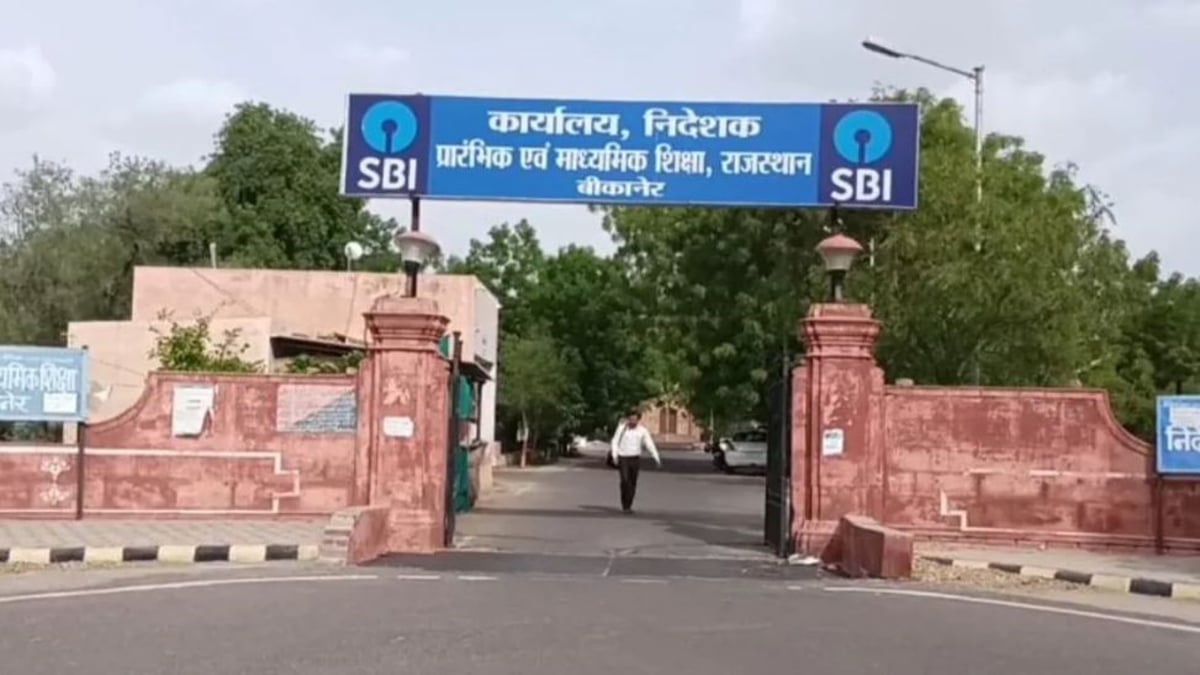
In a decisive move to overhaul and elevate the standards of government-run educational institutions across the state, the Rajasthan Education Department has formally launched a rigorous district-level administrative oversight mechanism. Under this significant governance initiative, exactly 41 senior-ranking officials have been officially appointed and assigned the critical responsibility of monitoring school operations, infrastructure integrity, and academic delivery at the grassroots level. This sweeping administrative measure aims to bridge long-standing systemic gaps and establish absolute accountability within the public school ecosystem.
The genesis of this targeted administrative intervention stems from ongoing concerns regarding infrastructural decay, inconsistent teaching quality, and fluctuating student enrollment figures in rural and semi-urban government schools. Over the years, education sector analysts and district authorities repeatedly noted that despite substantial budgetary allocations, the actual implementation of student welfare schemes and physical maintenance often suffered due to inadequate supervision. Recognizing this persistent operational challenge, the state-level directorate conceptualized a centralized yet decentralized monitoring framework leveraging senior bureaucratic leadership to inspect institutions directly.
At the heart of this comprehensive oversight initiative is a strict, multi-dimensional evaluation matrix that the 41 designated officers must execute during their extensive field visits. These senior administrators are specifically mandated to conduct thorough on-site inspections focusing on structural safety, availability of basic student facilities such as drinking water and sanitation, current student enrollment numbers, and the practical learning outcomes of children. Particular attention is being directed toward identifying compromised infrastructure, where structurally unsafe buildings will be immediately marked with prominent red signs to alert authorities, teachers, and students against potential hazards.
Educational stakeholders, including local school management committees, parent-teacher associations, and teaching faculty, have expressed cautious optimism regarding this proactive administrative deployment. Many community representatives highlighted that the physical presence of senior departmental officers inside remote classrooms acts as an effective deterrent against administrative negligence. Teachers and principals have similarly noted that structured evaluations help in highlighting genuine infrastructural deficits, thereby facilitating quicker bureaucratic approvals for urgent repairs and resource allocations.
For the wider regional community, particularly developing educational districts, this administrative strategy carries profound implications for local youth development and academic infrastructure. Reliable and safe school environments directly influence household decisions regarding child retention and enrollment in public institutions. By ensuring that neglected school buildings are distinctly identified and addressed through the red-marking protocol, the administration aims to eliminate preventable safety hazards and restore public trust in the state-run educational framework.
At the administrative level, this initiative is supported by standardized reporting protocols where each of the 41 assigned officers must submit detailed appraisal dossiers directly to the state directorate following their inspections. These institutional reports enable senior policymakers to track progress, identify systemic bottlenecks across different regions, and execute timely corrective measures. The department has emphasized that this is not merely a one-time audit but an ongoing, institutionalized supervisory process designed to maintain continuous pressure on institutional performance.
Looking toward the forward outlook and implementation timeline, the Education Department expects this rigorous inspection drive to yield measurable improvements in school governance over the coming months. As the 41 officers execute their mandates across their respective assigned districts, the collected data will drive subsequent budgetary planning and emergency infrastructure interventions. Public expectations remain high that this strict oversight will translate into safer campuses, better learning environments, and enhanced educational outcomes for thousands of children enrolled in state schools.