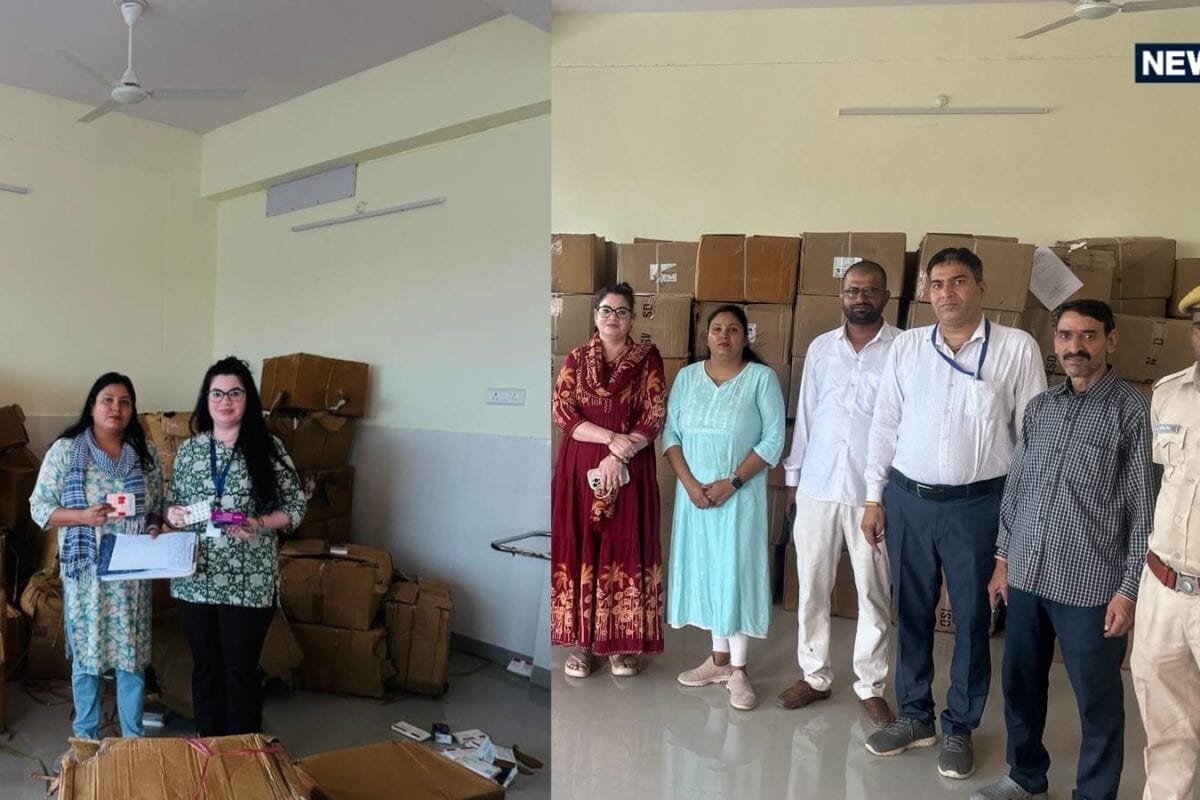
In a massive and meticulously planned enforcement operation, the Rajasthan Drug Control Department has unearthed a massive illegal stash of pharmaceuticals concealed inside a remote dry well located in Khatnawali village, falling under the jurisdiction of Bayana within Bharatpur district. The sweeping regulatory raid exposed a sophisticated network involved in the clandestine storage of high-value medicines, sending shockwaves through the regional healthcare and commercial distribution sectors.
The administrative and investigative history surrounding pharmaceutical distribution in this border belt has long witnessed regulatory challenges, but the sheer scale of the current concealment has alarmed top health officials. Investigators are closely examining historical supply routes, distributor licensing records, and transport logistics to understand how such a vast quantity of regulated medical stock could bypass standard monitoring mechanisms and end up hidden away in a rural waterless well.
During the exhaustive on-site search operations conducted at the rural location in Bharatpur, enforcement teams successfully cataloged and seized a staggering 274 cartons filled with diverse medical supplies. Financial evaluations place the total market value of the seized consignment at approximately 5 crore rupees, representing one of the largest single-location underground stashes detected in the region over recent years, with strict protocols deployed to secure the physical inventory.
Local medical practitioners, regional pharmaceutical traders, and concerned citizens have expressed profound shock over the incident, demanding immediate and transparent disclosures from regulatory bodies. Industry stakeholders have voiced deep anxieties regarding the potential reputational damage inflicted on genuine supply channels, emphasizing the absolute necessity of safeguarding public health against unscrupulous elements operating within the commercial medicine trade.
While direct administrative oversight remains focused on Bharatpur, the ramifications of this illicit trade network extend significantly into neighboring commercial hubs, most notably impacting neighboring regions including the broader Kotputli-Behror district economic sphere. Regional supply chains dependent on transparent interstate movement are facing heightened scrutiny, as commercial regulators evaluate whether similar hidden caches might exist across other transit corridors connecting Rajasthan and Uttar Pradesh.
In response to the escalating crisis, the Rajasthan Drug Control Department has intensified its statutory oversight by meticulously recording batch numbers, manufacturing dates, and expiration timelines of every recovered unit. Ten specialized pharmaceutical samples have been dispatched immediately to accredited state laboratories for rigorous quality and potency testing to determine whether the contents remain chemically stable or have degraded beyond safe consumption standards.
Looking forward, the investigative timeline points toward a deepening interstate legal battle, as investigative leads have successfully bridged the administrative boundary into Agra, resulting in parallel medical seizures and the formal registration of criminal first information reports. As authorities continue probing whether these expired or compromised medications were intended for recirculation into open consumer markets, public expectations remain firmly anchored on comprehensive accountability and swift judicial closure.