
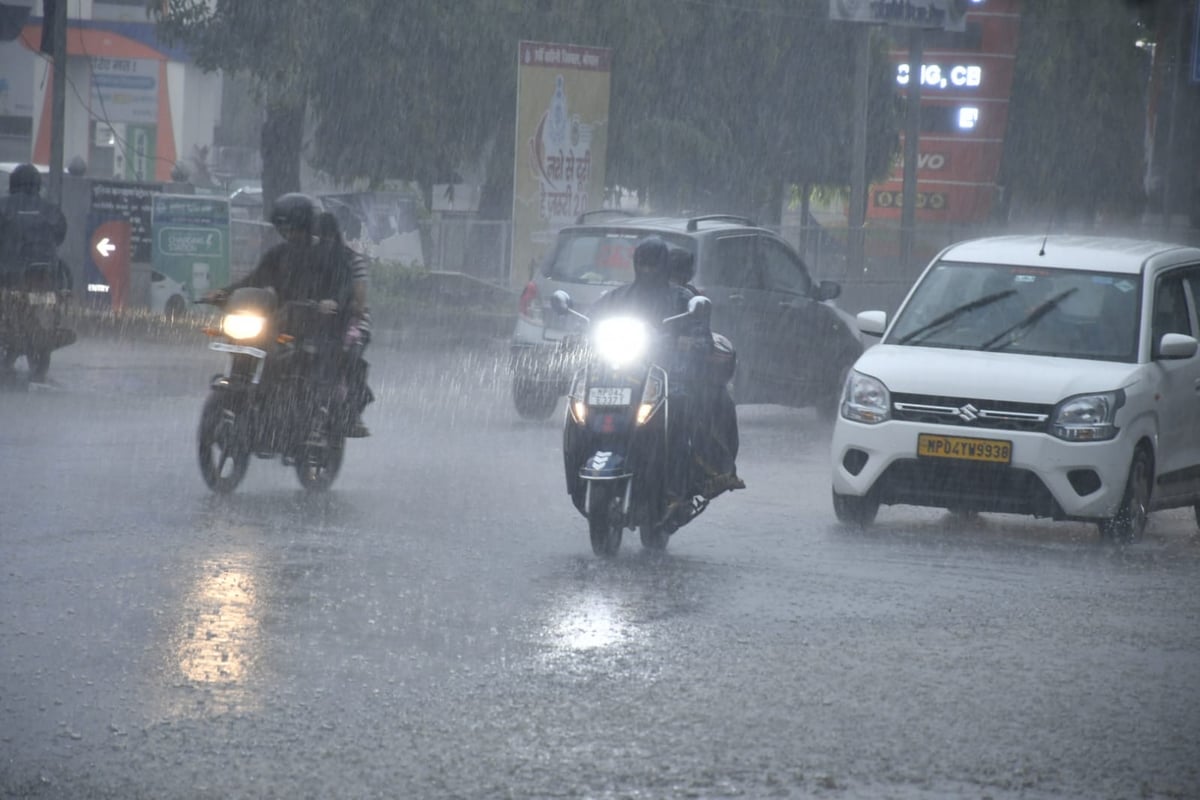
Rajasthan’s weather bureau announced on Thursday that rain is expected to touch down in seven of the state’s divisions later today, marking what many forecasters consider the final substantial monsoon spell before the season officially ends. The alert, issued by the Rajasthan Meteorological Department, underscores that the precipitation will be confined to a limited geographic band yet could be pivotal for regions still awaiting adequate moisture for the agricultural calendar.
Historically, Rajasthan’s monsoon arrives in late June and gradually withdraws by early October, with the state receiving roughly 250 mm of rain on average during the season. In recent decades, the pattern has shown increasing variability, with some years experiencing prolonged dry spells and others seeing late‑season bursts that temporarily revive water tables. The present forecast aligns with the long‑standing trend of a late‑season surge that often serves as a last‑ditch effort to replenish reservoirs before the dry months set in.
On the ground, the impending showers are expected to bring moderate rainfall, sufficient to wet fields but unlikely to cause severe flooding. The seven divisions identified – spanning parts of western, central and eastern Rajasthan – host a mix of arid and semi‑arid zones where even a few millimetres of rain can make a noticeable difference in soil moisture. Farmers in these areas have been closely monitoring the forecast, hoping that the rain will mitigate the stress on crops such as bajra, mustard and pulses that have endured a relatively dry spell this year.
Local stakeholders have expressed cautious optimism. Small‑scale cultivators anticipate that the rain could improve germination rates for late‑planted seeds, while traders in agricultural markets expect a modest uplift in the availability of fresh produce. District officials, meanwhile, are preparing to disseminate real‑time updates through community radio and mobile alerts, urging residents to stay informed and to take precautionary measures where necessary.
The Kotputli‑Behror district, situated in the northern part of the state, stands to feel the immediate impact of today’s rain. The region’s irrigation canals, which rely heavily on monsoon runoff, may receive a brief boost, potentially easing water‑stress for wheat and mustard fields that are approaching critical growth stages. Additionally, local road networks, which have suffered from dust‑related wear, could see temporary relief as moisture settles the surface, improving transport conditions for commuters and market freight.
Administrative bodies have already activated standard protocols. The district collector’s office has coordinated with the State Disaster Management Authority to monitor rainfall intensity and to mobilise emergency response teams should any unexpected flash‑flooding occur. Weather bulletins are being broadcast hourly, and agricultural extension officers are on standby to advise farmers on optimal post‑rain field management practices, such as timely sowing and pest control.
Looking ahead, meteorologists predict that the monsoon will likely withdraw within the next ten to twelve days, with only scattered showers possible thereafter. Residents are being urged to capitalise on today’s rain by completing essential agricultural tasks and by securing water storage for the forthcoming dry spell. The state government has pledged to assess reservoir levels after the rain event and to allocate any surplus water for irrigation schemes, aiming to cushion the agrarian economy against the inevitable onset of the post‑monsoon drought.